
← Back
06/27/2003 • 6 views

2003 European heat wave triggers widespread infrastructure failures
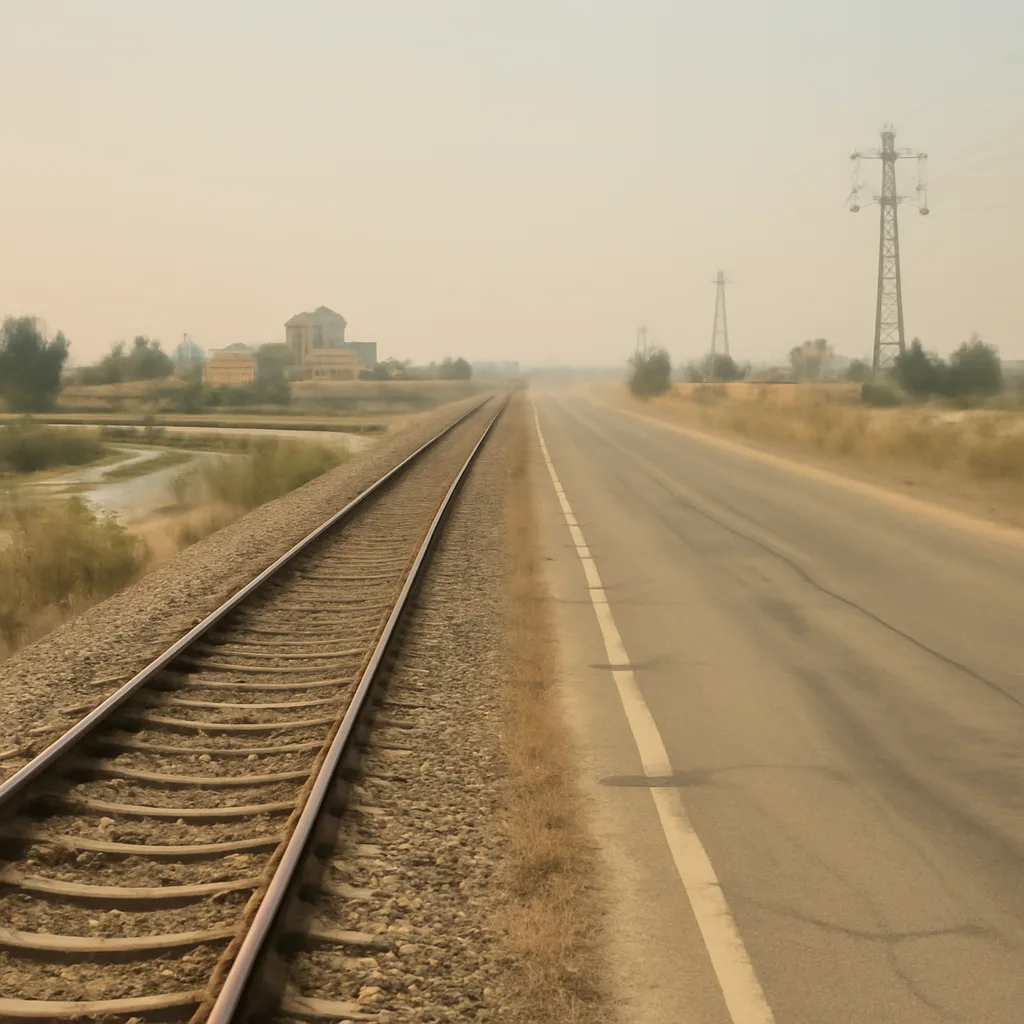
Long-distance European railway tracks and asphalt road bowed and deformed under intense summer sun near a low river; distant utility pylons and a water treatment facility visible under hazy, hot sky.

A prolonged heat wave across Europe in late June 2003 led to cascading infrastructure failures — from rail buckling and road surface damage to power grid strains and water shortages — compounding public-health impacts during one of the continent’s deadliest summer heat events.


In late June 2003, a persistent and unusually intense heat wave settled over large parts of Europe, delivering prolonged daytime highs and limited nighttime relief. Although meteorological records and mortality studies remain the primary sources for detailed analysis, contemporaneous reporting and later investigations documented widespread infrastructure stresses and failures as temperatures climbed well above seasonal norms.

Rail and road systems

Sustained high temperatures caused observable impacts on transport infrastructure. Railway operators across several countries reported speed restrictions and temporary line closures because of rail buckling: steel rails expand in extreme heat, increasing the risk of track deformities that endanger safe train operations. Road surfaces, particularly asphalt, softened or deformed in sections exposed to direct sun, producing rutting and, in some cases, temporary lane closures for emergency repairs. These effects disrupted commuter and freight traffic and required accelerated maintenance responses.

Electricity and cooling demand

Electricity networks experienced heightened stress as demand for cooling rose sharply. Grid operators in multiple countries issued warnings and implemented measures to balance supply and demand; in some regions, utilities reported near-capacity operation and localized outages. Cooling systems for industrial processes and public infrastructure were taxed, and some facilities reduced operations or invoked contingency plans to avoid broader failures.

Water supply and treatment

Heat-driven increases in consumption, combined with lower river flows in some basins, strained freshwater supplies. Municipal water utilities faced higher demand for drinking water and irrigation, while intake and treatment plants contended with warmer source water temperatures that can complicate treatment processes and reduce available capacity. Several authorities implemented temporary water-use advisories or restrictions in the most affected areas.

Public-health and emergency services

The heat wave’s direct impacts on human health increased demand on emergency services and hospitals, which in turn affected infrastructure capacity. Ambulance services, emergency departments, and mortuary services saw elevated caseloads in regions hit hardest by the heat. Heat-related health burdens also highlighted vulnerabilities in housing and social services, particularly for elderly or isolated populations in buildings without adequate cooling.

Industrial and utilities infrastructure

Some industrial sites reported disrupted operations due to overheating equipment, higher cooling-water temperatures, or restrictions on water use for process cooling. Thermal limits for certain machinery and safety protocols forced temporary slowdowns or shutdowns. In riverine areas, hydropower output was affected where flows diminished or turbine cooling constraints appeared.

Adaptation and response

The 2003 event exposed weaknesses in preparedness for extreme heat across multiple sectors. Authorities and infrastructure managers increasingly recognized the need for heat-specific protocols: rail and road inspection regimes tied to temperature thresholds, grid resilience measures, demand-management strategies for electricity, and water-conservation and treatment contingencies. In the years following 2003, several European countries reviewed and updated heat-health action plans and infrastructure resilience guidance to address the kinds of cascading failures observed.

Limitations and context

While the broad pattern of infrastructure stress during the June–August 2003 heat wave is well documented in meteorological records and contemporary reporting, the precise attribution of individual failures to heat versus other factors (ageing assets, maintenance backlogs, or concurrent operational issues) varies by case and jurisdiction. Quantitative assessments of infrastructure losses are dispersed across national reports, industry bulletins, and academic studies, so comprehensive, centralized tallies are limited.

The 2003 summer remains a reference point for European planners and researchers studying heat impacts on infrastructure and public health, prompting wider recognition that extreme heat can cause immediate physical damage and trigger cascading system-wide consequences.

Share this

Email Share on X Facebook Reddit

Did this surprise you?