
← Back
06/28/1969 • 4 views

Stonewall Riots Spark Modern LGBTQ Rights Movement
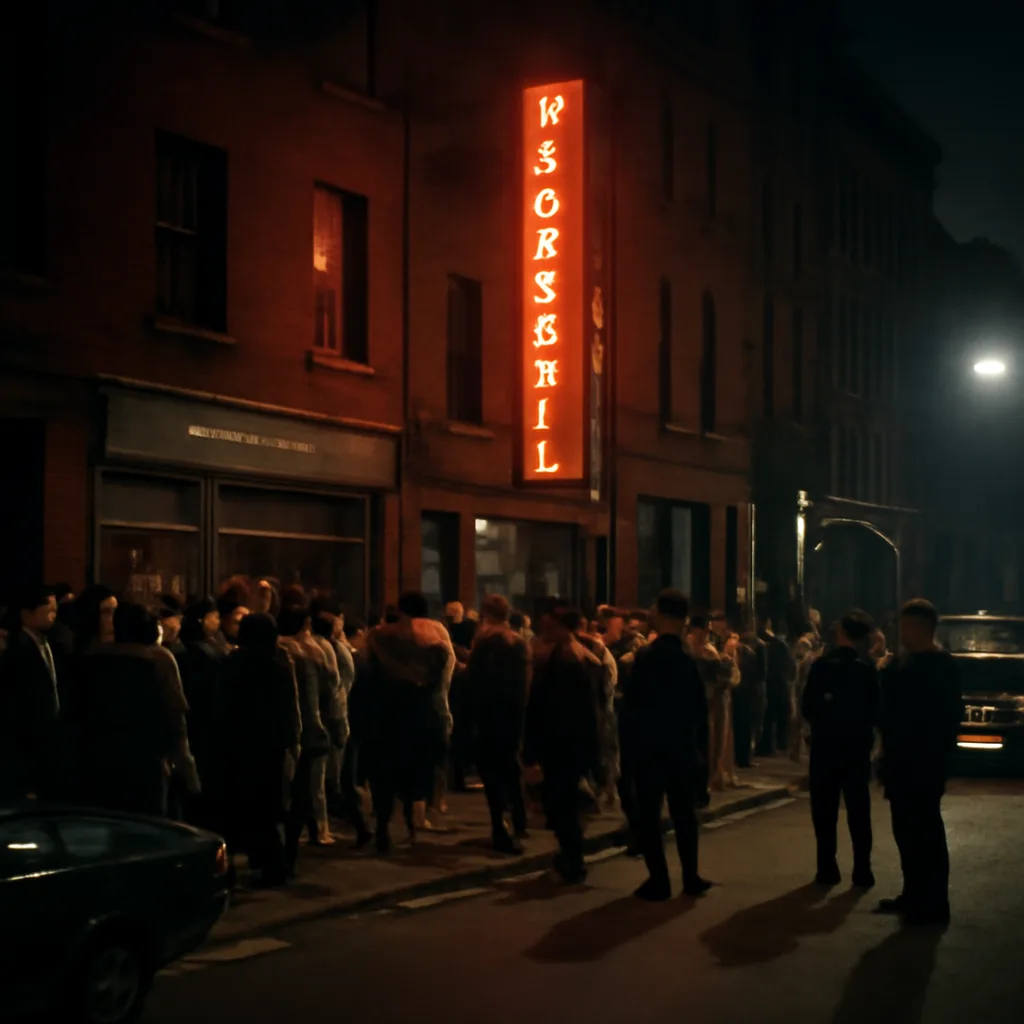
Crowded Greenwich Village street scene at night in June 1969 outside the Stonewall Inn, with groups of people gathered on the sidewalks and police in uniforms nearby; era-appropriate clothing and vehicles visible.

In the early hours of June 28, 1969, clashes between police and patrons at Manhattan’s Stonewall Inn set off multi-day demonstrations that marked a turning point for LGBTQ activism in the United States, galvanizing organizations and public protests that followed.


In the predawn hours of June 28, 1969, a police raid on the Stonewall Inn, a gay bar in New York City’s Greenwich Village, touched off spontaneous resistance from patrons and neighborhood residents. What began as a routine enforcement action against an often-targeted venue escalated into hours of confrontations in and around Christopher Street and continued as nightly demonstrations over the next several days. The events at Stonewall did not create LGBTQ activism—organizations and discreet networks had existed for decades—but they crystallized a new, more visible and confrontational phase of the movement.

The Stonewall Inn was owned by the Mafia and operated as one of the few places where LGBTQ people could socialize relatively openly in an era when same-sex sexual activity was criminalized in many states and police routinely harassed gay bars. Police raids were common: patrons could be arrested, venues shut, and employees charged with moral offenses. The June 28 raid occurred after midnight and was carried out by New York City vice squad officers. Patrons and bystanders resisted; accounts from participants describe shouts, scuffles, and crowds that grew as word spread. The situation escalated into clashes with police outside the bar, and barricades of debris and overturned cars were reported in surrounding streets during the first night.

Over the following nights, protests continued and drew larger, more organized crowds. Activists and community members formed groups that would soon become more formalized: within a year, organizations such as the Gay Liberation Front and the Gay Activists Alliance were formed in New York City, and similar groups emerged elsewhere. The first anniversary of the Stonewall disturbances was marked by what is widely recognized as the first Pride march—an event that helped establish June as a focal point for commemorations and political demonstrations advocating for LGBTQ rights.

Historians emphasize both the specific local dynamics of Greenwich Village and broader social currents: the 1960s saw rising movements for civil rights, antiwar protest, and second-wave feminism, and these contexts influenced and energized LGBT activists. Stonewall provided a vivid, rallying moment: the images, oral histories, and community memory of the riots helped broaden public awareness and encouraged more visible public demands for legal protections, social acceptance, and political representation.

It is important to note contested and nuanced aspects of the Stonewall story. Contemporary reporting and later scholarship have debated the exact sequence of events, who initiated particular actions on the first night, and whose contributions have been emphasized or marginalized in public retellings. Transgender women of color, drag performers, lesbian activists, and homeless youth were among those present and active during the riots, and recent scholarship and memorialization efforts have sought to better recognize their roles. As with many historical events, memories vary among participants, and historians rely on a mix of oral testimony, contemporaneous reporting, police records, and archival documents to reconstruct the episode.

The legacy of Stonewall is evident in the expansion of LGBTQ organizations, the growth of Pride commemorations worldwide, and the movement’s shift toward public protest and political advocacy. Legal and social advances since 1969—including anti-discrimination laws in some jurisdictions, increased visibility in media and politics, and the achievement of marriage equality in numerous countries—reflect decades of activism in which Stonewall is often cited as an inflection point. At the same time, activists and scholars emphasize that Stonewall was one moment in a longer history of LGBTQ resistance and resilience that continues to evolve.

Stonewall’s place in public memory has led to formal recognition: the Stonewall Inn and surrounding area are part of ongoing preservation and commemoration efforts, and the site is widely regarded as a symbolic birthplace of modern LGBTQ rights activism, even as historians continue to refine and complicate the narrative.

Share this

Email Share on X Facebook Reddit

Did this surprise you?