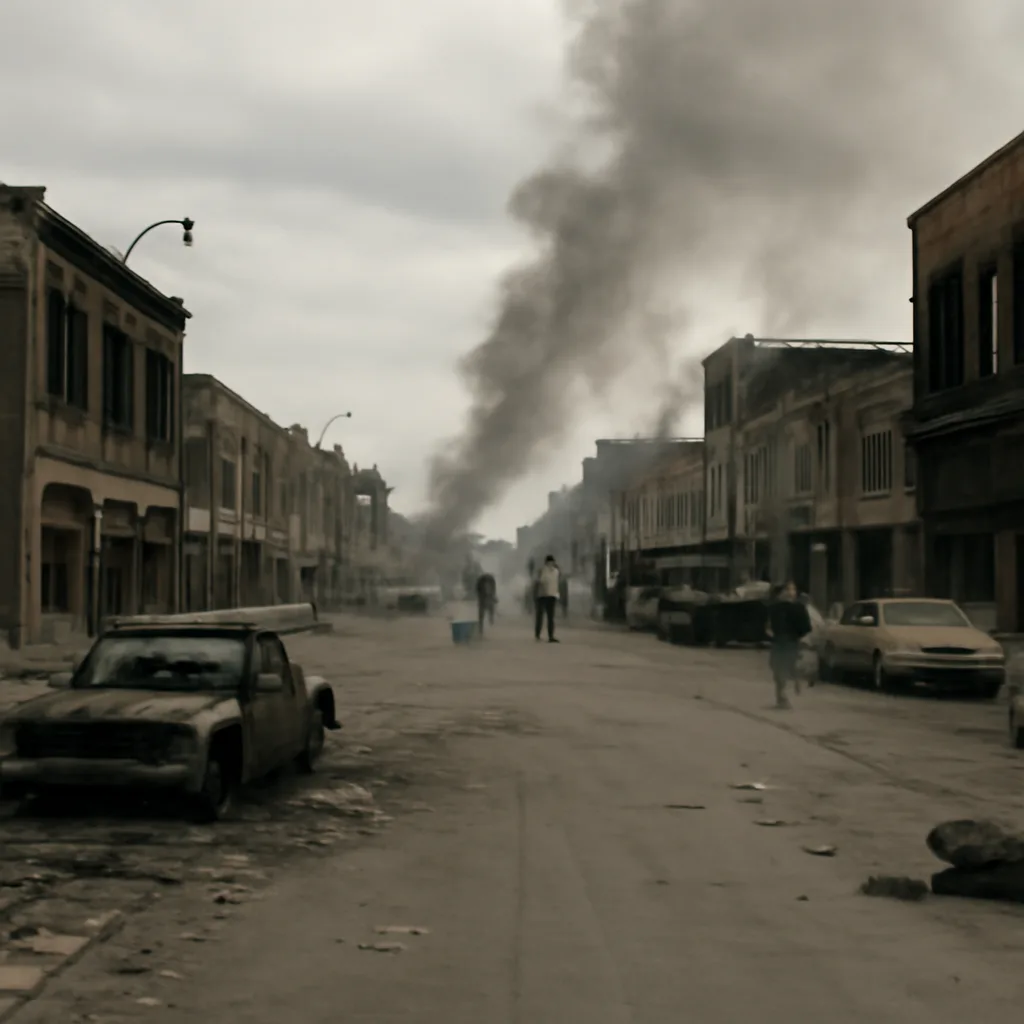
1967 Detroit Riot: A Turning Point in Urban Unrest
From July 23, 1967, what began as a police raid on an unlicensed Detroit bar escalated into five days of intense rioting, arson, and clashes that left 43 people dead, thousands injured, and large parts of the city heavily damaged.
On the night of July 23, 1967, a police raid at an unlicensed after-hours club on Detroit’s West Side sparked confrontations that quickly spread through predominantly Black neighborhoods. Over the next five days, the unrest involved widespread arson, looting, confrontations with police and National Guard troops, and ultimately the deployment of federal troops. The official toll was 43 dead, more than 1,000 injured, and thousands of buildings damaged or destroyed, making it one of the deadliest and most destructive riots in U.S. history.
Context: By the mid-1960s Detroit was a city of stark contrasts. Its booming automobile industry and relative prosperity for some coexisted with entrenched racial segregation, concentrated poverty in Black neighborhoods, overcrowded housing, high unemployment, and strained relations with the police. Nationwide, the civil rights movement had brought legal gains but also heightened attention to economic inequality and police practices; this environment shaped local anger and mistrust.
The spark and escalation: The immediate trigger was a police raid on an unlicensed “blind pig” on July 23, in the area near 12th Street (now Rosa Parks Boulevard). Witnesses and community members said the raid, arrests, and confrontations with patrons and bystanders escalated into broader clashes. Rumors, frustration, and retaliatory acts spread quickly. Fires were set to buildings and cars; businesses were looted; police used tear gas and rifles in attempts to restore order. Local authorities requested reinforcements as the violence intensified.
State and federal response: Michigan Governor George Romney mobilized the Michigan National Guard; as the situation worsened, President Lyndon B. Johnson authorized federal troops to assist state and local forces. At the height of the unrest, thousands of National Guard and U.S. Army personnel were present in Detroit. The use of armed forces in a U.S. city underscored the scale and severity of the crisis.
Aftermath and consequences: The riot concentrated destruction in predominantly Black neighborhoods, displacing residents and accelerating economic decline in affected areas. Many businesses—both Black-owned and white-owned—were damaged or closed, and some owners never returned. The disorder deepened white flight to suburbs, influenced urban policy debates, and sped the economic and demographic shifts that reshaped Detroit in subsequent decades.
Investigations and interpretation: In the months after the riot, the federal Kerner Commission (National Advisory Commission on Civil Disorders), convened by President Johnson, concluded in its 1968 report that the nation was moving toward “two societies, one black, one white—separate and unequal.” The commission cited racism, poverty, and police practices as central causes of urban unrest, and recommended measures to address segregation, unemployment, and police-community relations. Local and national commentators disagreed on immediate causes and responsibility; some emphasized criminality and lawlessness, while others stressed structural injustice and policing failures.
Legacy: The 1967 Detroit riot remains a pivotal event in U.S. history for its scale and for spotlighting deep urban inequalities. It shaped Detroit’s built environment and economy, influenced policing and public policy discussions, and became a reference point in later conversations about race, policing, and urban decline. Commemoration, historical study, and community reflection continue, with scholars and residents examining both immediate events and long-term structural factors.
Uncertainties and sources: Specific details—such as precise sequences of actions on certain blocks, the roles of particular individuals, and differing eyewitness accounts—vary among contemporary reports and later histories. The broad facts above reflect widely documented outcomes (dates, casualty figures, federal involvement, Kerner Commission findings) as reported in contemporary news coverage, government reports, and scholarly histories.