
← Back
11/21/1980 • 4 views

Deadly November 1980 Las Vegas Hotel Fire Kills Dozens
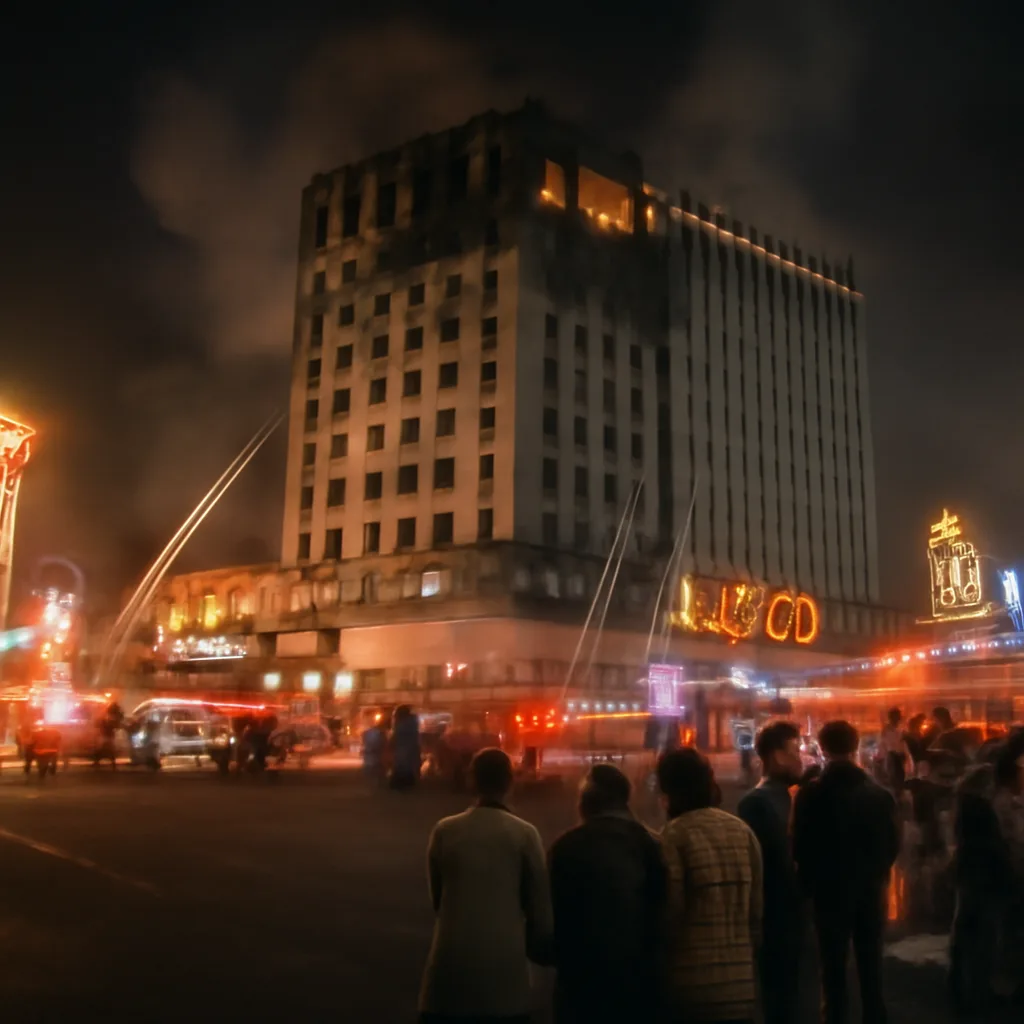
Exterior view of a large Las Vegas casino-hotel at night with emergency vehicles and fire department apparatus parked outside; smoke stains on upper floors and sections of façade damaged by fire.

On November 21, 1980, a major fire at a Las Vegas hotel caused widespread destruction and resulted in dozens of deaths and injuries; the blaze prompted investigations into fire safety practices in Nevada’s rapidly growing casino-hotels.


On the night of November 21, 1980, a significant hotel fire in Las Vegas resulted in widespread damage and a large number of fatalities and injuries. The incident occurred during a period of rapid expansion in Las Vegas’s casino and hotel industry; as with several earlier and later hotel fires nationwide, questions about building materials, fire detection and suppression systems, and evacuation procedures became central to public concern and official inquiry.

Exact casualty figures for the event vary between contemporary reports and later summaries, but multiple sources from the period describe the loss of dozens of lives and scores of injuries. The fire spread quickly through areas of the property, affecting guest rooms and common corridors; smoke inhalation and blocked egress were major contributors to the fatalities. Emergency responders from the Las Vegas Fire Department and neighboring units mounted a large-scale response, rescuing many guests and treating the injured at local hospitals.

Investigations by local authorities and state inspectors examined probable causes and contributing factors. Building construction materials, interior finishes, and the presence or absence of automatic sprinklers and adequate fire alarms were scrutinized. Nevada’s fire codes and enforcement practices, as well as the hotel’s adherence to safety regulations, were focal points of the probes. The incident also intensified public and legislative interest in strengthening fire safety standards for high-occupancy lodging and casino properties.

The fire had immediate and longer-term impacts on the hotel, its employees, and the Las Vegas tourism economy. The affected property required extensive repair or partial demolition, and many displaced guests and staff faced short-term displacement. In the aftermath, hotel operators across the region reassessed fire detection and suppression systems, egress routes, and staff training for emergency evacuation. Insurance claims and civil litigation related to responsibility and compensation followed, as is common after large-scale structural fires.

This event is part of a documented history of hotel and casino fires that have shaped fire-safety regulation in the United States. While specifics—such as exact counts of fatalities, the fire’s precise point of origin, and legal outcomes—are recorded in contemporaneous newspapers, government reports, and court records, summaries and secondary accounts can differ in detail. For a full, verifiable account, consultation of archived local newspapers from late November 1980, Las Vegas Fire Department incident reports, Nevada state investigation records, and court filings from subsequent civil cases is recommended.

The November 1980 Las Vegas hotel fire remains a reminder of the risks posed by high-occupancy commercial lodging when fire-safety systems and building materials are inadequate or fail. It also underscores why successive updates to fire codes, mandatory sprinkler requirements, and clearer evacuation protocols have been enacted in Nevada and nationwide to reduce the likelihood of similar tragedies.

Share this

Email Share on X Facebook Reddit

Did this surprise you?