
08/03/1977 • 4 views
Jim Jones Announces Mass Relocation for Peoples Temple Congregation
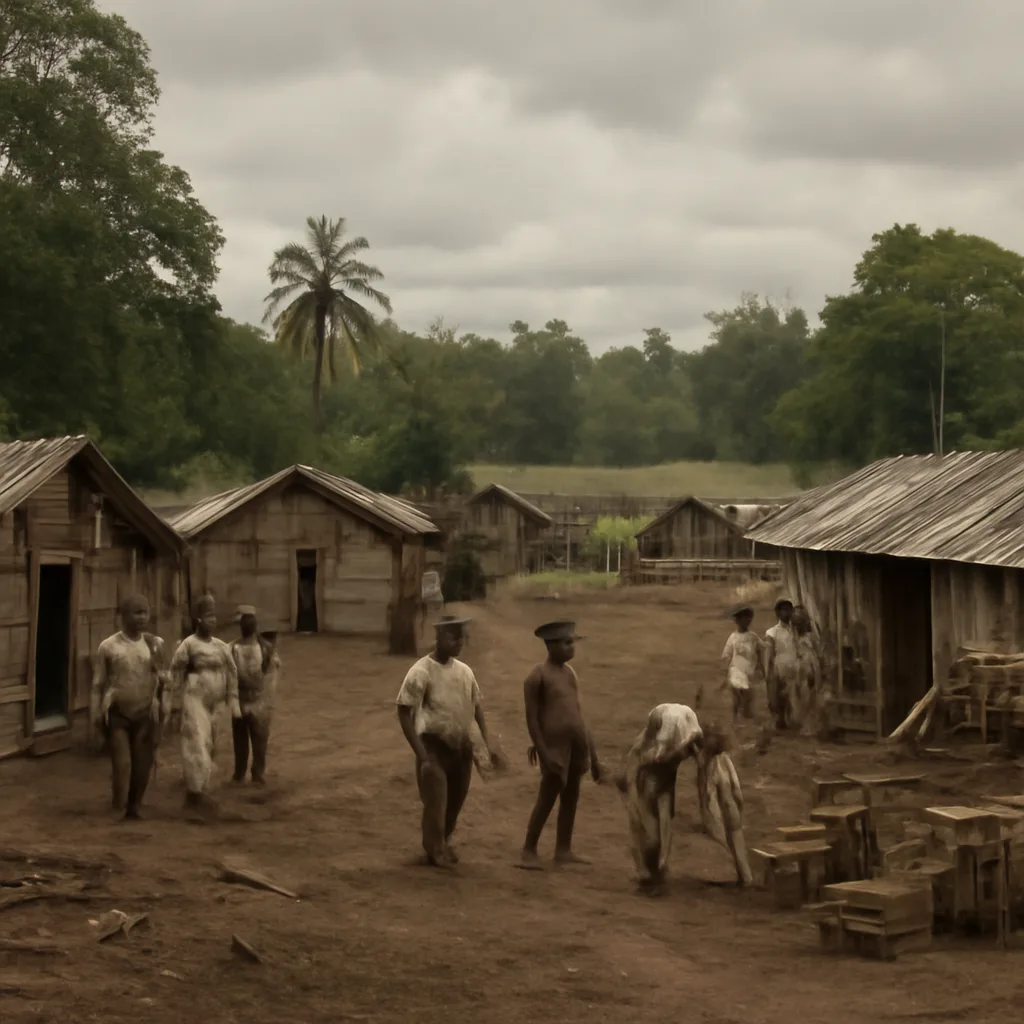
On August 3, 1977, Peoples Temple leader Jim Jones publicly announced plans to relocate many members of his congregation to Guyana, citing the move as a refuge from perceived persecution in the United States.
Background
Peoples Temple began in Indiana in the 1950s and later moved to California, where it grew into a large congregation combining religious, social welfare, and political activity. By the 1970s, Jim Jones presented the Temple as a racially integrated, progressive religious community. At the same time, concerns and allegations about the Temple’s internal practices — including reports from former members and investigations by journalists and some public officials — increased pressure on the organization.
Why Guyana?
Jones and other Temple leaders identified Guyana as a location where they could establish an agricultural community with perceived autonomy from U.S. oversight. Guyana, an English-speaking former British colony on the northeastern coast of South America, offered land and a climate suitable for farming. Jones framed the relocation as both an escape from what he described as persecution in the United States and as an opportunity to build a self-sufficient, communal society.
Implementation and Impact
Following announcements and planning in 1977, groups of Peoples Temple members began to travel to Guyana in the coming months and years. The settlement, later known as Jonestown, gradually grew to include several hundred U.S. citizens along with Guyanese staff and local hires. The relocation process was organized by Temple leadership, which handled logistics, visas, transportation, and the allocation of housing and work assignments within the settlement.
Contested Narratives and Control
Accounts from former members, family members, and later investigators indicate that the move to Guyana was framed by Jones as voluntary and protective, while others have described increasing control by Temple leadership over members’ lives. Reports that emerged later described restrictions on movement, intensive political and social indoctrination, and an atmosphere in which dissent was discouraged. Those assessments, derived from interviews, government records, and journalistic investigations, show that perspectives on the relocation vary depending on the source and the individuals involved.
Aftermath and Historical Significance
The relocation announcement of August 1977 set in motion events that culminated in the establishment of Jonestown and the concentration of Peoples Temple members in a remote settlement. The development drew heightened attention from relatives, journalists, and government officials who became increasingly concerned about the welfare of Americans in Guyana. Subsequent investigations and reactions would ultimately shape historical understanding of Peoples Temple and Jim Jones’s leadership.
Notes on Sources and Disputes
Descriptions above are based on contemporaneous reporting, later investigative accounts, and public records. Specific details about internal decision-making within Peoples Temple and the degree of coercion involved are matters of historical debate and rely on testimony from former members, relatives, and official inquiries. This summary does not attempt to resolve all disputes but presents the widely documented fact that Jones announced and pursued a program of relocation to Guyana beginning in 1977.