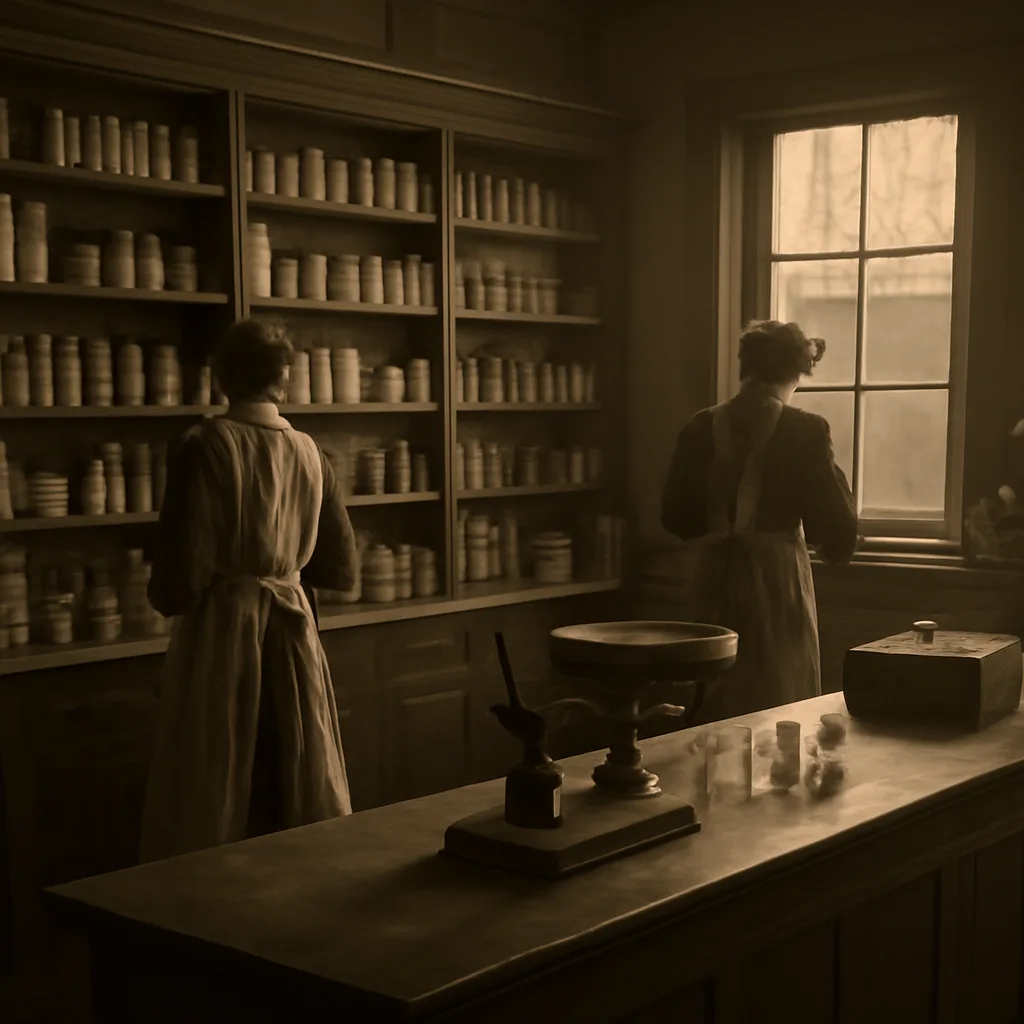
The 1932 Mass Recall after Patent-Medicines Poisoning
On May 28, 1932, a large-scale recall was triggered when multiple patent-medicine products were linked to arsenic and methanol poisoning, prompting one of the earliest documented mass product withdrawals on public-health grounds.
In the early 20th century, patent medicines—over-the-counter elixirs, tonics and liniments marketed with minimal regulation—were common across the United States and Europe. Many contained undisclosed or mislabeled ingredients that posed health risks. By the 1920s and early 1930s, growing forensic toxicology and investigative journalism increasingly exposed dangerous formulations.
On May 28, 1932, authorities in several U.S. jurisdictions coordinated actions after a cluster of poisonings was epidemiologically linked to a specific line of patent medicines and industrially sold preparations that contained toxic substances, notably arsenic and methanol in some formulations. Public-health officials ordered removals from shelves and consumers were warned to stop using implicated products. The event is often cited as one of the first documented instances of a mass product recall based primarily on toxicity rather than mechanical faults or infectious contamination.
The recall reflected multiple converging trends: improved laboratory detection of poisons, expanding public-health bureaucracies able to act across jurisdictions, and growing public concern over unregulated medicinal and household products. Press reports of the period described hospitals treating patients with acute symptoms consistent with arsenic or alcohol poisoning; follow-up laboratory analyses of returned samples supported contamination or formulation errors in several lots.
This episode helped accelerate calls for stronger regulation. Although the U.S. Food and Drug Administration (FDA) had been empowered since the 1906 Pure Food and Drug Act and further strengthened by the 1938 Federal Food, Drug, and Cosmetic Act, enforcement remained uneven in the interwar years. High-profile poisoning cases and recalls like the 1932 actions fed public and legislative momentum toward clearer labeling requirements, manufacturing standards and recall procedures.
Historians note that while May 28, 1932, is a documented focal point for coordinated recalls tied to toxicity, the broader history of product withdrawals includes earlier, smaller-scale removals and local bans. Records from municipal health offices and contemporary newspapers show related incidents both before and after 1932, and definitions of what constitutes a "mass recall" vary among scholars. Thus, the 1932 event is best understood as a notable early example of large-scale regulatory removal of consumer products for toxic contamination rather than an unequivocal singular "first."
The legacy of the 1932 recall lies in its contribution to evolving expectations that manufacturers disclose ingredients, adhere to manufacturing standards, and that public authorities have both the technical capacity and legal authority to remove dangerous products from commerce. These developments unfolded over subsequent decades with more formalized recall mechanisms, consumer protection laws and routine laboratory surveillance that characterize modern product-safety regimes.
Sources for this summary include contemporary newspaper coverage, public-health reports of the period, and secondary historical analyses of early 20th-century food and drug regulation. Where primary documents conflict or reporting is incomplete, historians flag uncertainties—particularly regarding the exact number of products removed, the full list of implicated manufacturers, and whether some removals were voluntary or compelled by authorities.