
← Back
07/16/2016 • 5 views

EU Announces Sanctions After Failed July 16, 2016 Coup Attempt
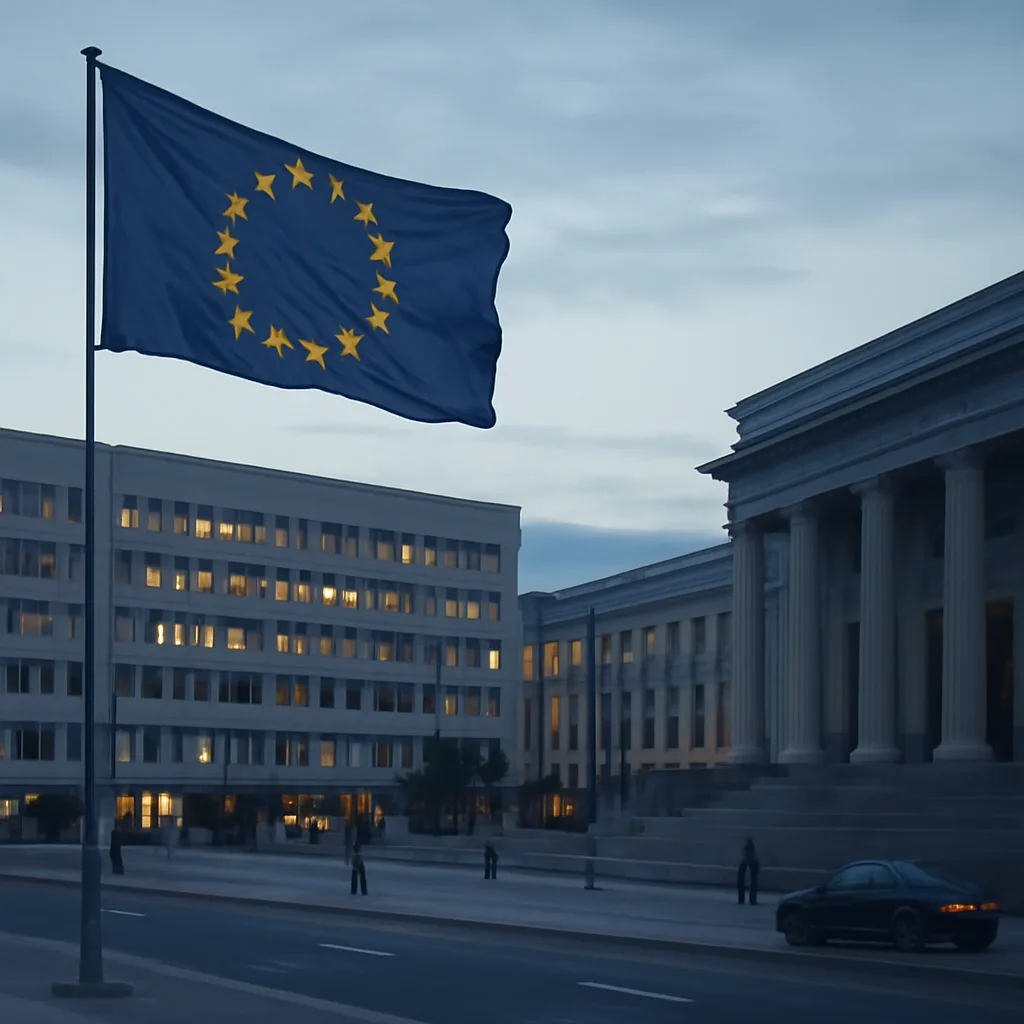
Wide view of a European Union flag outside institutional buildings, with a courthouse and people in subdued evening light symbolizing legal and diplomatic actions following a coup attempt.

The European Union imposed targeted sanctions following a July 16, 2016 coup attempt, citing human-rights violations and erosion of democratic institutions; measures focused on travel bans and asset freezes for individuals deemed responsible or complicit.


On July 16, 2016, after a violent attempt to overthrow a government, the European Union adopted targeted sanctions aimed at individuals and entities linked to the coup attempt and its aftermath. The measures were framed by EU officials as responses to human-rights abuses, suppression of dissent, and actions undermining the rule of law and democratic governance.

Sanctions content and legal basis
The package consisted primarily of travel bans and asset freezes applied to named individuals and organizations. The legal basis for the measures drew on the EU’s common foreign and security policy powers to restrict movement and access to assets when member states determine that actions abroad threaten international peace or violate human rights. Sanctions listings typically followed an internal decision-making process involving the European Council, which must agree on measures unanimously.

Targets and rationale
EU statements at the time emphasized accountability for those who planned, supported or profited from the coup attempt and subsequent repressions. While the EU aimed the measures at people alleged to be directly responsible for violence or for organizing the attempted overthrow, some listings also targeted officials involved in wide-scale purges, arrests, and restrictions on civil liberties that followed the coup attempt. The rationale combined immediate responses to violent actions with broader concerns about rule-of-law backsliding.

Diplomatic and political context
The sanctions came amid strained relations between the European Union and the country where the coup attempt occurred. EU member states and institutions expressed concern over mass arrests, dismissals from public service, media restrictions, and limits on civil-society activity that authorities implemented in the aftermath. Some EU diplomats stressed the need for measured, targeted responses to avoid harming civilians while signaling that violations of human rights and democratic norms would carry consequences.

Implementation and reactions
Implementation involved listing specific individuals and entities, notifying member-state authorities and financial institutions to enforce asset freezes, and coordinating border controls to implement travel bans. Reactions were mixed: EU officials and human-rights groups generally welcomed steps that sought accountability, while the government affected by the sanctions criticized them as interference in domestic affairs and argued they were necessary security measures in response to a violent threat.

Limitations and follow-up
EU measures were time-limited in scope and subject to periodic review. Sanctions effectiveness depended on international cooperation, clear evidence linking listed persons to wrongful acts, and consistent enforcement by member states. Over time, the EU kept the option to expand, renew, or lift measures depending on developments in rule of law, human-rights conditions, and progress toward independent investigations or legal processes.

Historic significance
The sanctions represented a broader pattern in which the EU has used targeted restrictive measures to respond to crises that implicate democratic norms and human rights. They underscored the bloc’s reliance on diplomatic and economic tools short of military intervention to influence developments in partner countries. The July 16, 2016 coup attempt and the EU’s response also highlighted tensions between national security claims by affected governments and international demands for transparency, accountability, and respect for fundamental freedoms.

Notes on sources and certainty
Contemporary EU Council decisions, press releases from the period, and reporting by major international media outlets document the imposition of sanctions after the July 2016 coup attempt and the general contents described here. Precise lists of named individuals and detailed legal texts are contained in official EU documents and consolidated sanctions listings published by the European External Action Service and the Council of the European Union; those sources should be consulted for exact wording and current status of any measures.

Share this

Email Share on X Facebook Reddit

Did this surprise you?