
06/10/1983 • 5 views
Cold War Tensions Rise After Soviet Missile Tests Near NATO Airspace
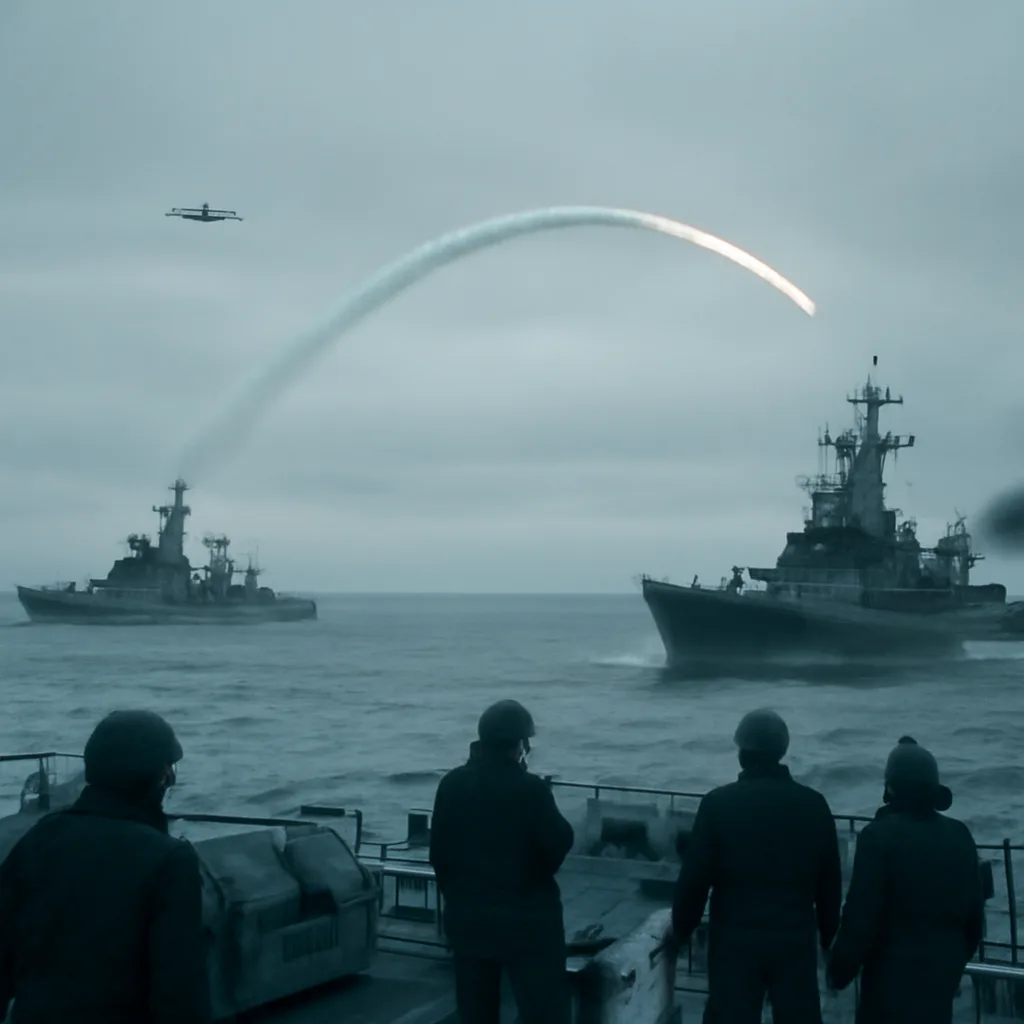
On June 10, 1983, Soviet strategic missile and naval missile tests prompted alarm in NATO capitals and renewed concern over escalation risks during a volatile period of East–West confrontation.
Reporting at the time indicated that the Soviet tests were monitored closely by Western military and intelligence agencies. NATO officials expressed concern about the timing and scope of the launches, which were interpreted in Washington and allied capitals as demonstrations of Soviet strategic capability and resolve. Western air and naval patrols adjusted monitoring patterns to track missile trajectories and assess any implications for alliance security.
The tests exacerbated fears of miscalculation. In 1983, several episodes — including NATO exercises such as Able Archer later that year and the heightened alert caused by the Soviet downing of Korean Air Lines Flight 007 in September — contributed to perceptions that crisis stability was fragile. While the June missile firings themselves did not lead to armed clashes, they reinforced diplomatic urgings on both sides to prevent escalation and maintain communication channels.
Arms-control advocates and some Western analysts framed the Soviet tests as part of a reciprocal cycle: NATO deployments and exercises prompted Soviet demonstrations of capability, which in turn justified further Western defense measures. Soviet statements at the time characterized their tests as routine training and development essential to national defense; independent confirmation of Soviet motives is limited in public sources from the period.
The tests also fed domestic political debate within NATO countries. Some policymakers argued for restraint and intensified diplomatic engagement to reduce risks, while others called for bolstered conventional and nuclear deterrence. Analysts have since noted that incidents like the June 10 tests contributed to a climate in which both sides saw force posture as central to credibility, complicating negotiation efforts on arms control and confidence-building measures.
Historians and declassified material in later decades have provided greater context for 1983 as a year of acute Cold War strain but show that singular events like these missile tests were part of broader patterns of signaling, deterrence, and mistrust. The tests did not produce a direct military confrontation, yet they underscore how routine military activities during the Cold War could produce outsized political and strategic effects.
Understanding the June 10 tests requires situating them within 1983’s larger sequence of incidents and policy decisions: nuclear modernization programs on both sides, intense intelligence collection, and limited but critical diplomatic contacts. The episode is a reminder that during the Cold War, demonstrations of military capability frequently functioned as both practical training and strategic messaging, with attendant risks of escalation when combined with poor communication and mutual suspicion.