
← Back
06/10/1896 • 5 views

The First Modern Marathon Is Run in Athens
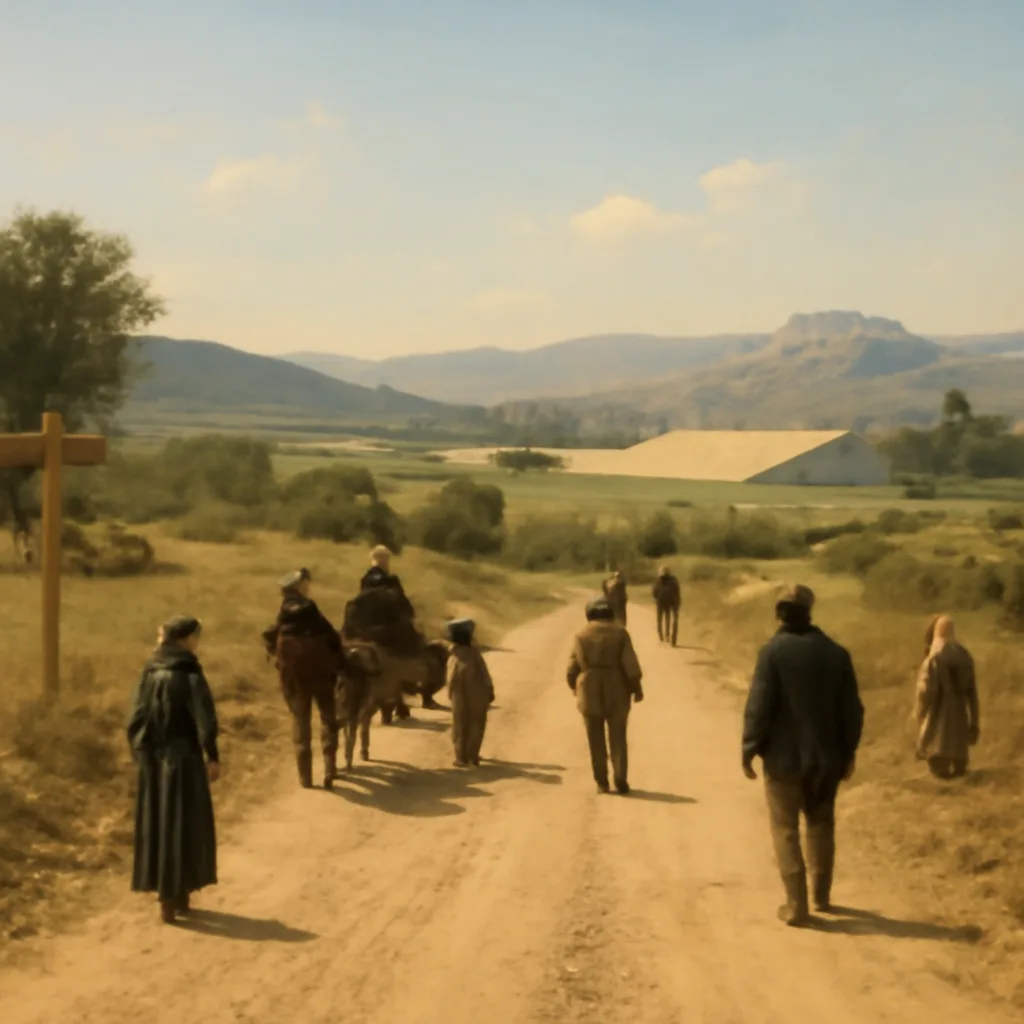
Rural road between the plain of Marathon and Athens with a distant Panathenaic Stadium, late 19th-century horse-drawn carts and pedestrians along the route.

On June 10, 1896, Greek runner Spyridon Louis won the marathon held during the first modern Olympic Games in Athens, a 40-kilometer course inspired by the ancient Marathon-to-Athens legend and organized as part of the revival of the Olympic movement.


On June 10, 1896, a long-distance running event inspired by an ancient Greek legend was staged as part of the inaugural modern Olympic Games in Athens. Promoted by the organizers as a symbolic link between classical Greece and the contemporary Olympic revival, the race was run from the town of Marathon to the Panathenaic Stadium in Athens and became known as the first modern marathon.

Background and organization
The idea for the marathon originated during the planning of the 1896 Games, influenced by the popular 19th-century retellings of the supposed run of a messenger from the battlefield of Marathon to Athens to announce victory over the Persians in 490 BCE. Organizers settled on a course reflecting that tradition. The distance used in 1896 was approximately 40 kilometers (about 24.85 miles); a standardized marathon distance of 42.195 kilometers (26 miles 385 yards) would not be established until 1908.

The field and conditions
Competitors included Greek runners and athletes from several other countries invited to the Athens Games. The route passed rural roads and hills between Marathon and Athens, and conditions were demanding: uneven surfaces, limited official aid stations by modern standards, and warm early-summer weather. Contemporary reports emphasize the physical and logistical challenges faced by participants.

Spyridon Louis and the race outcome
A Greek water-carrier named Spyridon (Spyros) Louis won the race, finishing first and becoming a national hero. Louis’s victory held particular symbolic weight for the host nation. Exact finishing times reported at the time vary slightly among contemporary accounts; the commonly cited winning time is approximately 2 hours 58 minutes, reflecting the shorter course used in 1896 compared with later standardized marathons.

Significance and legacy
The 1896 marathon linked classical symbolism to modern international sport, contributing to the marathon’s place as a central and enduring Olympic event. The race helped popularize long-distance running in Europe and beyond. Because the 1896 course did not match the later Olympic standard, historians note that comparisons of times across early marathons and later standardized races require caution.

Historiography and cautions
Primary sources about the 1896 marathon include contemporary newspapers, official reports of the Athens Games, and later historical studies of the early modern Olympics. Some details—such as small discrepancies in reported distances and times or inexact numbers of entrants and finishers—are subject to variation among sources. Where precise metrics are important, researchers rely on the official report of the 1896 Olympics and corroborating contemporary press accounts.

In short, the June 10, 1896 marathon represented the first running of the event as part of the modern Olympic Games. Its route, winner, and symbolic framing remain central to the story of the marathon’s evolution into an internationally recognized athletic event.

Share this

Email Share on X Facebook Reddit

Did this surprise you?