
12/19/2016 • 6 views
Bombing at European Christmas market kills dozens, wounds many
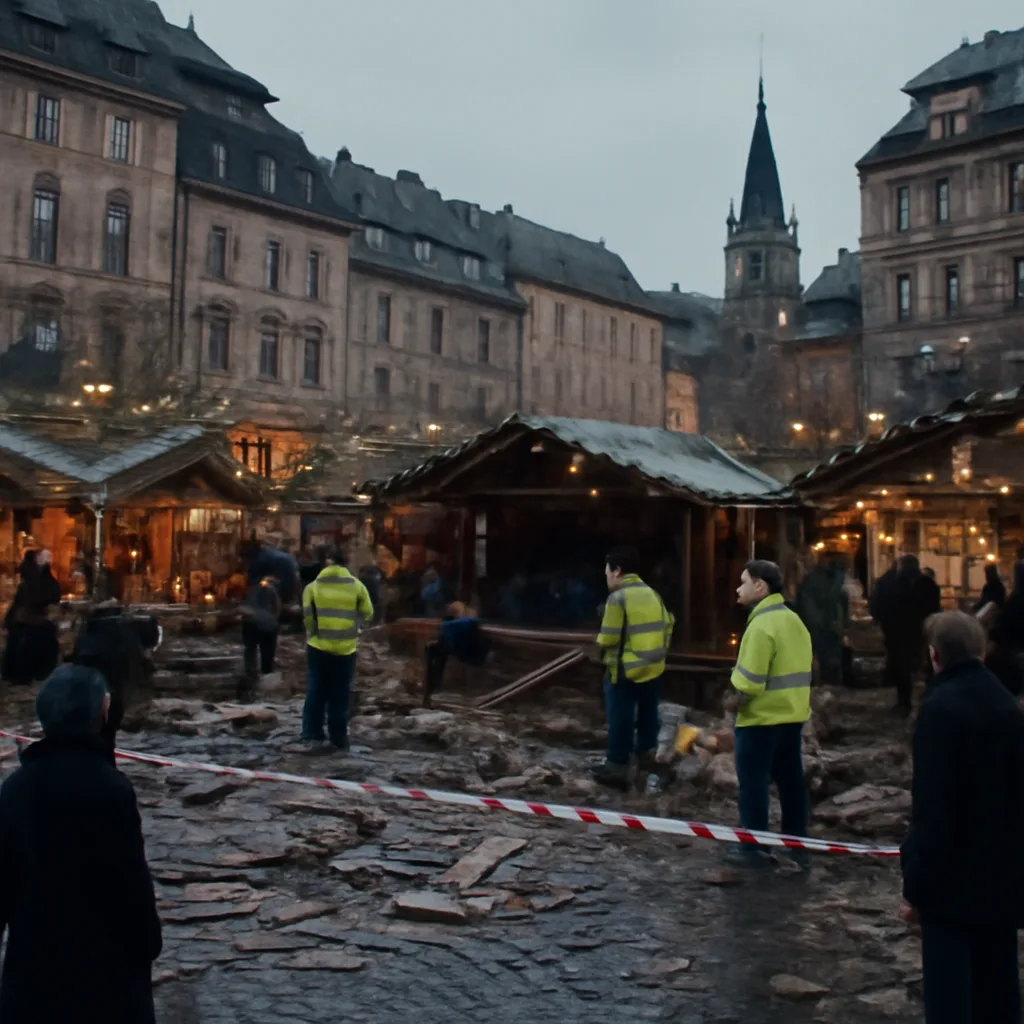
On December 19, 2016, a bomb exploded amid Christmas shoppers at a popular European market, killing and injuring multiple people and prompting international condemnation and an urgent investigation.
Local police launched a criminal investigation and treated the explosion as a deliberate attack. Investigators cordoned off the area, collected forensic evidence, and reviewed nearby surveillance footage. Hospitals in the city reported receiving dozens of injured people, ranging from those with shrapnel and blast injuries to individuals suffering from smoke inhalation and shock. Some fatalities were confirmed by local officials; exact figures varied in early reports as authorities worked to identify the deceased and notify relatives.
Political and civic leaders from the affected country and abroad issued swift condemnations. Officials called for calm and urged the public to follow police instructions while authorities pursued leads. Security forces increased patrols at other public gathering sites, including religious services, markets, and transport hubs, and some cities temporarily restricted access to large events.
The bombing intensified debates about public safety at festive events and the balance between open public life and protective measures. Organizers of markets across Europe reviewed their security protocols in the days following the attack, including entry screening, barrier placement, lighting, and coordination with emergency services. Some local administrations announced temporary closures or reduced hours for markets while they reassessed risks.
Media coverage focused on the human impact—victims, families, and witnesses—alongside developments in the official investigation. International organizations and foreign governments offered assistance and condolences. If any claims of responsibility emerged, authorities treated them cautiously pending verification; in many such incidents, initial attributions can be disputed or unconfirmed for days.
Historically, European Christmas markets have been both cherished cultural traditions and recognized as potential soft targets due to their popularity and open layouts. In the aftermath of violent incidents, communities have commonly responded with both increased security and public expressions of solidarity, including vigils and memorials for victims. Long-term responses often include legal, policing, and urban-design reviews aimed at reducing vulnerability while preserving public life.
As investigations proceeded, officials prioritized victim care, family notification, and transparent updates where possible. Independent reporting and official statements were essential for clarity because early casualty and responsibility figures can change as investigations and identifications continue. The effects of such an attack extend beyond immediate physical damage and casualties, affecting public confidence, local economies tied to tourism and seasonal commerce, and discussions about civil liberties and counterterrorism policies.
The December 2016 bombing thus stood as a tragic episode in the history of attacks on public gatherings in Europe, prompting short-term emergency responses and longer-term policy and community reflections on safety and resilience.