
04/21/1939 • 6 views
Ring Collapse Stops 1939 Boxing Match in Mid-Round
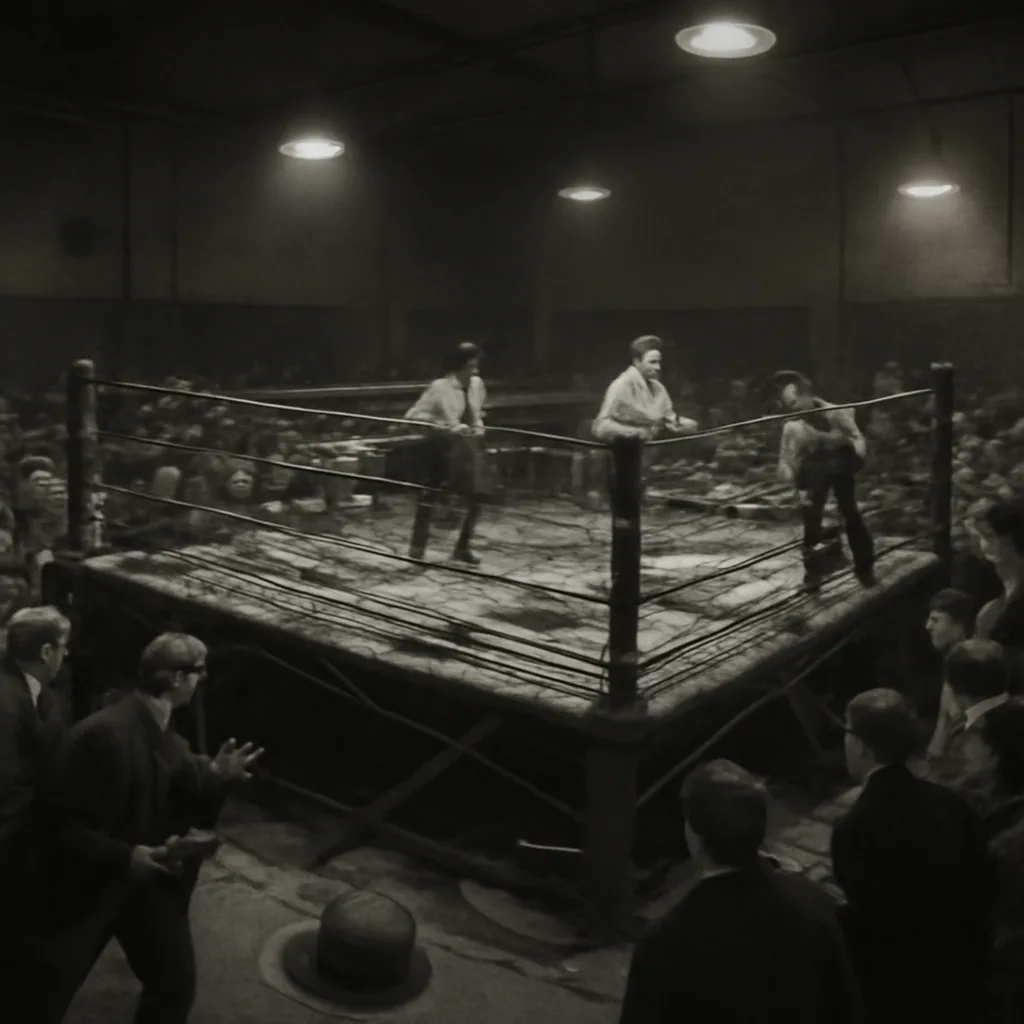
A scheduled April 21, 1939, boxing bout ended abruptly when the ring’s platform gave way during the fight, forcing officials to stop the match and clear the arena; contemporary reports described panic but no fatal injuries.
Contemporary newspaper accounts describe a chaotic scene: fighters and referees on the canvas or scrambling clear as the ropes and wooden platform shifted. Ushers and members of the fighters’ teams moved quickly to assist those who had fallen or were trapped by the sagging structure. Spectators in the immediate vicinity were advised to move back; some seating near the ring was at least temporarily disrupted. Reports from the time emphasize that while there were injuries, they were largely nonfatal and included bruises, strains and minor cuts. No widely reported deaths appear in surviving press coverage connected to the collapse itself.
The cause of the collapse was attributed in different accounts to a combination of factors commonly cited for ring failures in that era: overloaded platforms, weakened or water-damaged timbers, substandard construction or a sudden concentrated weight shift as fighters and corner personnel moved en masse. Boxing rings in the 1930s typically sat on raised wooden platforms supported by temporary or semi-permanent framing; standards for construction and inspection varied by venue and jurisdiction. Investigations or follow-up reporting at the time focused on assigning responsibility and on calls for stricter safety checks and more robust ring construction before future events.
Promoters and venue operators faced immediate consequences: the match was declared ended or postponed, ticket-holders experienced delays and refunds or exchanges were arranged in some cases, and local athletic commissions or venue managers promised reviews of safety procedures. For the fighters involved, an abrupt end to a scheduled bout could affect purses, rankings and momentum; some fighters received medical attention and were reported as recuperating, though the long-term impact on their careers depends on their individual circumstances and is not uniformly documented.
Historical context is important when assessing the incident. The 1930s were a busy era for professional boxing in the United States and elsewhere, with frequent fight cards in urban arenas, ballrooms and fairground venues. Safety regulations and building codes were less standardized than today, and some venues were not purpose-built for sports events, increasing the risk of structural problems. Public and regulatory reactions to notable accidents in this period sometimes prompted incremental reforms in venue safety and event oversight.
Surviving press reports and later summaries offer a consistent outline of the April 21, 1939, collapse: an in-ring structural failure ended the match, produced a scramble to assist those affected, and led to local investigations and calls for improved safety. Specific details—such as the names of the fighters, the exact venue and the formal findings of any inquiry—are reported variably across sources and, where contemporary records disagree or are incomplete, are not asserted here. Where available, period newspapers and athletic commission records provide the primary documentary evidence for the episode.
The event remains an example of the physical risks associated not just with the sport itself but with the infrastructure that supports public contests. It contributed to the ongoing discussions of the era about venue safety and the responsibilities of promoters and facility managers to ensure secure conditions for participants and spectators alike.