
← Back
12/19/1998 • 6 views

House Votes to Impeach President Bill Clinton
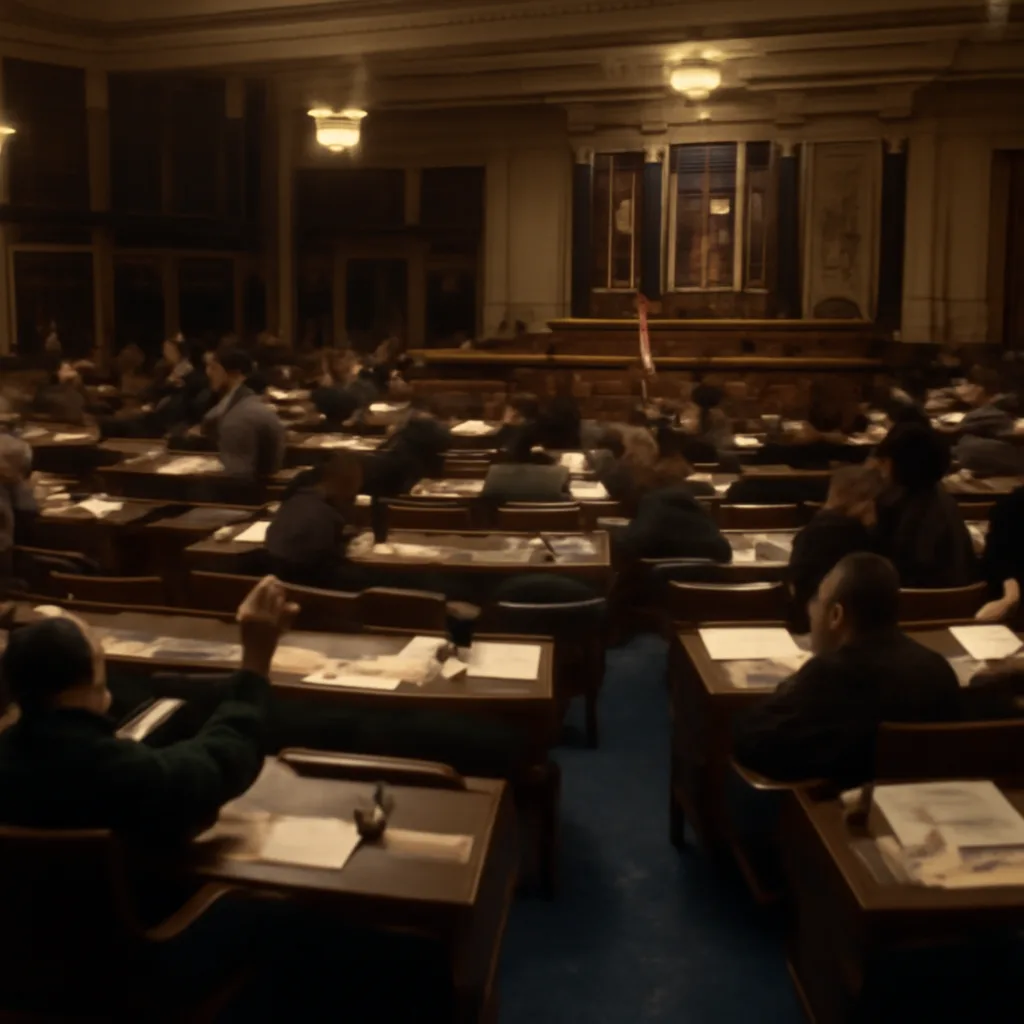
Wide view of the U.S. Capitol with the House chamber in session during legislative proceedings in December 1998, showing rows of desks and lawmakers (faces not identifiable).

On December 19, 1998, the U.S. House of Representatives approved two articles of impeachment against President Bill Clinton—perjury before a grand jury and obstruction of justice—marking the second presidential impeachment in American history.


On December 19, 1998, the U.S. House of Representatives voted to impeach President Bill Clinton, approving two articles of impeachment: perjury before a grand jury and obstruction of justice. The votes followed a months-long independent counsel investigation led by Kenneth Starr, which examined Clinton’s relationship with White House intern Monica Lewinsky and related statements and actions. The House Judiciary Committee had earlier recommended the articles after hearings and deliberations that drew intense public attention and partisan debate.

The perjury article charged that Clinton gave false testimony under oath to a federal grand jury regarding his relationship with Lewinsky. The obstruction of justice article alleged he engaged in efforts to conceal the relationship and impede the investigation, including actions to influence witness testimony and to conceal evidence. Two other proposed articles—one alleging perjury in the Jones civil case and another alleging abuse of power—were rejected by the full House.

The House vote was deeply partisan. A majority of Republicans supported impeachment, while most Democrats opposed it, framing the process as politically motivated. Independent and split-vote patterns reflected divisions within parties and among individual members. The passage of the articles sent the case to the Senate for trial, where conviction would require a two-thirds majority. In early 1999 the Senate conducted the trial and ultimately acquitted Clinton on both counts, allowing him to complete his second term in office.

The impeachment episode had significant political and legal consequences. It intensified partisan polarization in Washington, prompted debate about standards for presidential misconduct and the appropriate scope of impeachment, and influenced public perceptions of Clinton’s presidency. Public opinion at the time fluctuated, with many polls indicating continuing approval of Clinton’s job performance despite disapproval of his personal conduct. The proceedings also raised questions about the role of independent counsel investigations and the interplay between criminal, civil, and congressional processes.

Historically, Clinton’s impeachment is the second instance in which the House impeached a president, following Andrew Johnson in 1868; Richard Nixon faced likely impeachment but resigned in 1974 before the House could vote. Clinton’s case remains a reference point in later discussions of impeachment, standards of presidential accountability, and the political risks of pursuing removal from office. Scholars and commentators continue to debate whether the charges met constitutional thresholds for “high Crimes and Misdemeanors,” with assessments often shaped by legal interpretation and partisan perspective.

The episode left lasting institutional and cultural effects: it shaped subsequent congressional inquiries, influenced presidential counsel practices, and contributed to an era of heightened media scrutiny of personal conduct among public officials. While the Senate acquitted Clinton, the impeachment record remains part of the constitutional and political history of the presidency and Congress.

Share this

Email Share on X Facebook Reddit

Did this surprise you?