
← Back
06/10/1899 • 7 views

New York City Opens Its First Public Zoo in 1899
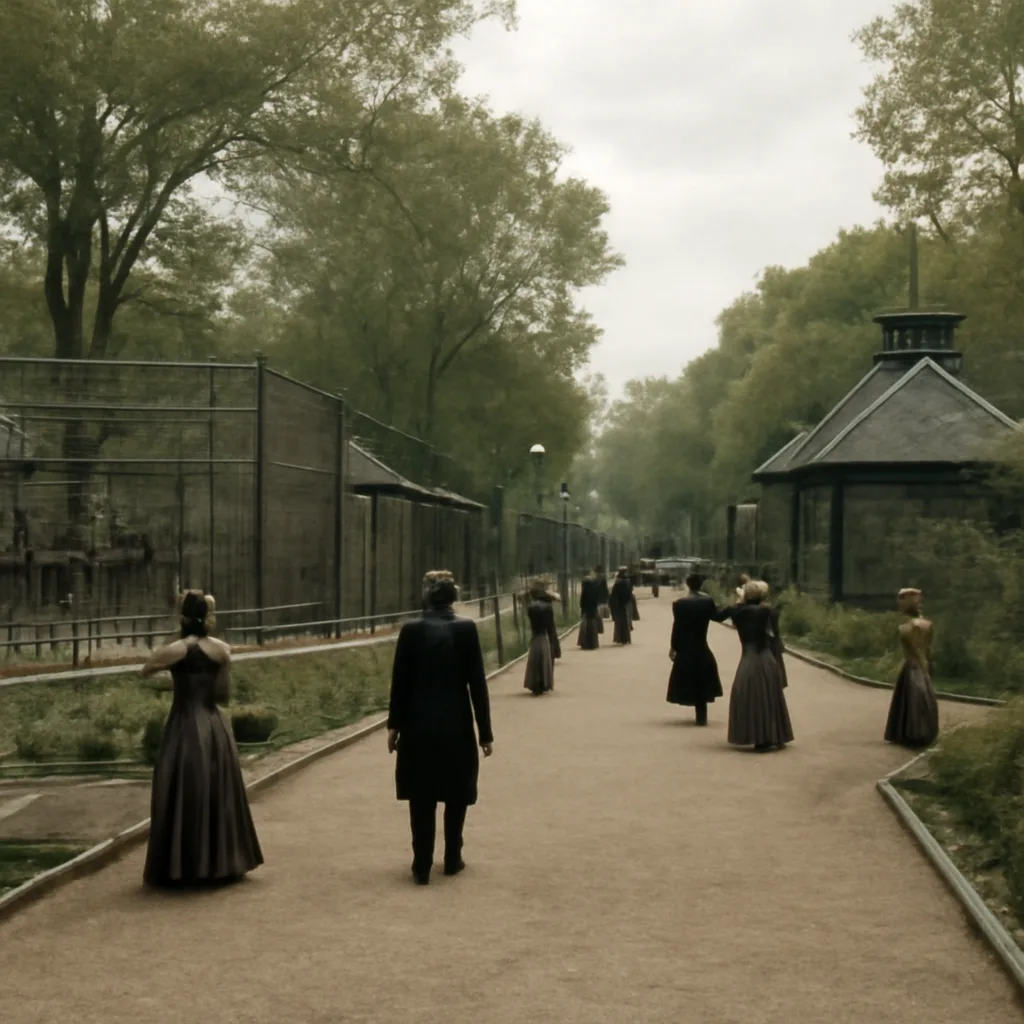
Late 19th-century landscaped zoological park in the Bronx with visitors on walking paths, period clothing, early animal enclosures and park architecture.

On June 10, 1899, New York City opened its first municipally accessible zoo in the Bronx, marking a shift toward public education and recreation through zoological displays amid Progressive Era urban reforms.


On June 10, 1899, New York City inaugurated its first public zoo facility in what would become the Bronx Zoological Park, establishing a municipal institution intended for education, recreation, and the study of animals. The late 19th century saw growing interest in civic amenities that served broad urban populations; zoos were increasingly framed as sites for scientific observation, public instruction, and moral improvement. The opening in 1899 built on earlier, smaller collections and private menageries in the city, but represented a formal municipal commitment to a public zoological garden.

Site and context
The zoo’s establishment was part of broader Progressive Era efforts to expand parks, museums, libraries, and other public institutions in rapidly growing American cities. New York’s municipal authorities, park commissioners, and civic groups debated how best to provide accessible green space and educational cultural institutions for a diverse urban population. The Bronx area — with its relative distance from Manhattan’s dense development and its existing parkland plans — was selected for a larger-scale zoological park that could accommodate extensive exhibits, enclosures, and visitor facilities.

Collections and purpose
Early collections typically combined animals acquired from private donors, scientific expeditions, and exchanges with other institutions. The intent was to display a variety of species for public viewing while also supporting natural history study. Exhibits of the period often reflected contemporary understandings of animal biology and taxonomy, as well as prevailing attitudes toward colonialism and empire, which influenced how nonnative species were sourced and presented.

Design and visitor experience
Turn-of-the-century zoo design favored promenades, landscaped enclosures, and architectural features meant to evoke distant locales or provide suitable habitats for exhibited animals. Visitor amenities emphasized education through labeled specimens and organized exhibits, though animal husbandry and enclosure standards of the era differ considerably from modern practice. Admission policies and programming aimed to attract a wide cross-section of city residents, including families and school groups seeking recreation and instruction.

Reception and legacy
The opening of a publicly accessible zoo in New York City was met with public interest and media coverage typical for new civic institutions of the time. Over subsequent decades the zoo would expand, undergo redesigns, and participate in evolving conversations about conservation, scientific research, and animal welfare. Practices and interpretations that were standard in 1899—regarding enclosure design, species acquisition, and display—later came under scrutiny and prompted reforms in the 20th and 21st centuries.

Historical notes and limitations
Sources for the precise administrative and logistical details of the 1899 opening include municipal records, contemporary newspaper accounts, and histories of New York’s parks and cultural institutions. Scholarship on the development of public zoos situates New York’s 1899 public opening within an international movement that included earlier institutions (for example, the London Zoo, opened to the public in the 19th century) and contemporaneous American efforts. Exact configurations of early enclosures, species lists, and visitor numbers for the opening day are documented unevenly in surviving records; where specifics are uncertain or contested, historians rely on archival sources that may offer differing accounts.

Today the institution that traces its origins to these early public zoological efforts is often approached with attention to historical context: recognizing the role such institutions played in public education and leisure while acknowledging changing standards for animal care, conservation priorities, and ethical expectations that have shaped zoo practice since 1899.

Share this

Email Share on X Facebook Reddit

Did this surprise you?