
← Back
06/12/1942 • 5 views

On June 12, 1942: Anne Frank receives a red-and-white checkered autograph book she will use as a diary
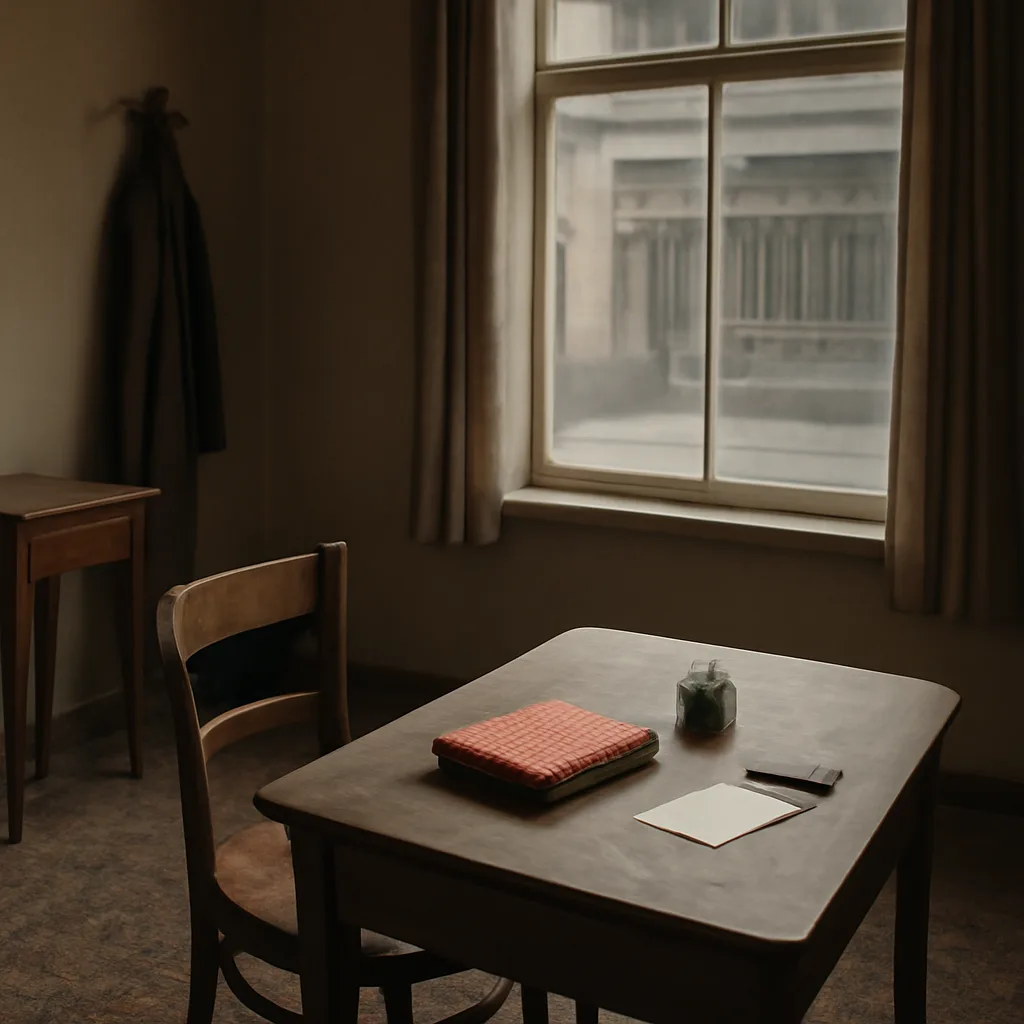
Interior of a modest 1940s Amsterdam apartment table with a red-and-white checked autograph book, fountain pen, and a birthday ribbon; furnishings and clothing of the room reflect early 1940s European style.

On June 12, 1942, Anne Frank received an autograph book for her 13th birthday; within weeks she began using it as a diary that would become one of the best-known firsthand accounts of Jewish life in hiding during World War II.


On June 12, 1942, on the occasion of her thirteenth birthday, Anne Frank was given an autograph book (often described as red-and-white checked) that she would soon begin using as a diary. The gift came from her parents, Otto and Edith Frank; biographies and surviving family testimony indicate the book arrived amid the ordinary rituals of a birthday in a Jewish family living in Amsterdam, even as the wider circumstances of Nazi-occupied Netherlands were growing more perilous for Jews.

Anne had begun school and typical adolescent activities before the situation for Jews deteriorated sharply under German occupation. In late July 1942—just weeks after receiving the autograph book—Anne and her family went into hiding in concealed rooms behind Otto Frank’s business address at Prinsengracht 263. It was during this period in the Secret Annex that Anne converted the autograph book into a diary. She dated the first entry “Wednesday, 14 June 1942,” and addressed the diary to an imaginary friend she named “Kitty.” Over the next two years, while in hiding with seven other people, Anne wrote regularly in that diary and in notebooks, recording daily life, her reflections, and her growing literary ambitions.

Anne’s diary evolved beyond private notes. Inspired by radio broadcasts in 1944 that called for eyewitness accounts of the persecution of Jews, Anne revised and reorganized parts of her writings with the idea of postwar publication. After the arrest of the occupants of the Secret Annex in August 1944, Otto Frank was the only survivor of the group. He later recovered Anne’s notebooks and assembled them for publication, resulting in the first edition of The Diary of a Young Girl in 1947. The autograph book she received on June 12, 1942 thus became the seed of a work that offered a detailed, personal perspective on life in hiding and later reached a global audience.

Historical sources for these events include Anne’s own surviving writings; the published diary (which evolved from the notebooks and autograph book); archival records about the Frank family’s life in Amsterdam; and postwar testimony, including Otto Frank’s accounts. Some details about specific gifts and the exact appearance of the autograph book derive from family recollections and museum descriptions. The Anne Frank House in Amsterdam preserves original documents and artifacts associated with the family and provides access to scholars; it and other reputable archives are primary references for research on Anne Frank’s life.

Understanding the autograph book’s role emphasizes both the ordinary and extraordinary aspects of Anne’s experience: an object typical for a young teenager’s birthday became the container for observations that would later illuminate the human consequences of persecution. While small uncertainties remain about incidental details—such as whether the book was purchased locally or gifted by another relative—the core facts are well established: Anne received the autograph book on her 13th birthday and began writing in it shortly thereafter, producing the diary she is now known for.

Share this

Email Share on X Facebook Reddit

Did this surprise you?