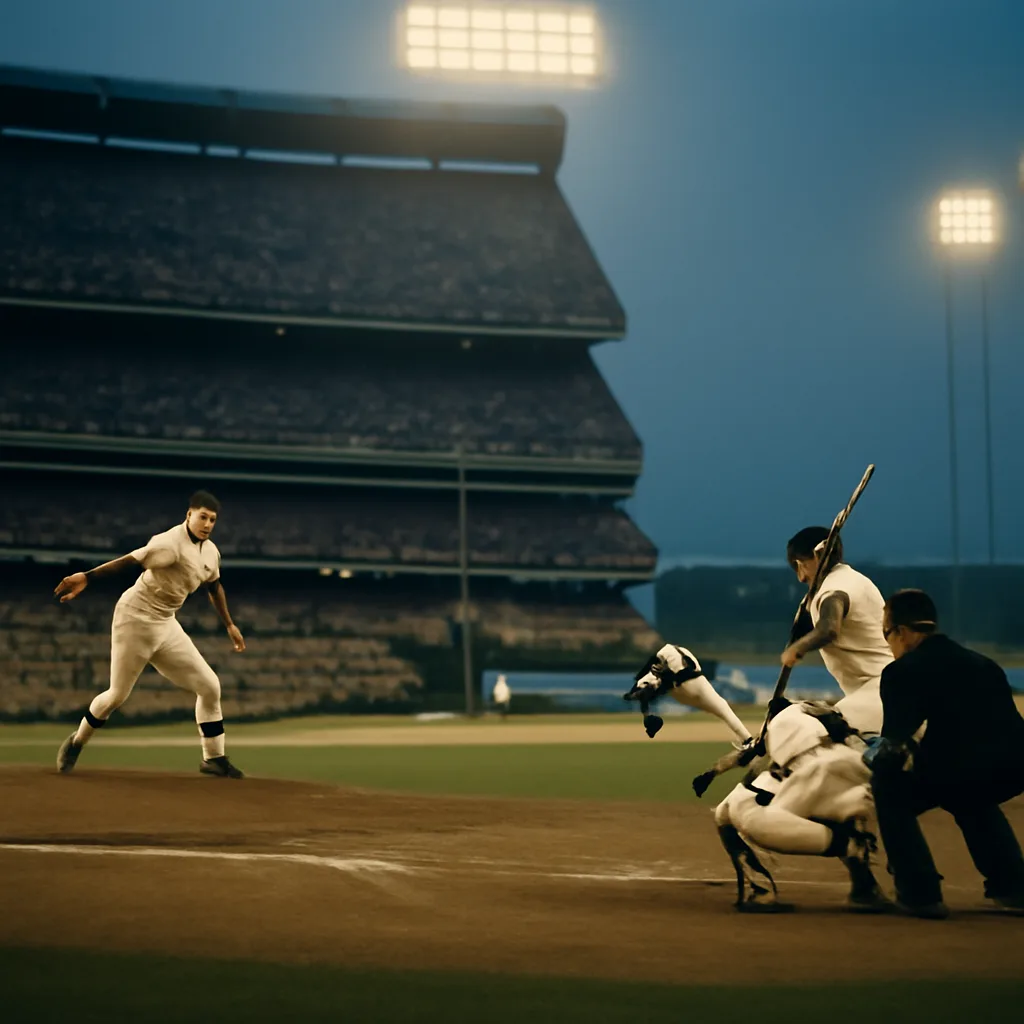
Dock Ellis’ 1970 No-Hitter: A Hallucinatory Night at Shea Stadium
On June 12, 1970, Pittsburgh Pirates pitcher Dock Ellis threw a no-hitter against the San Diego Padres at Shea Stadium. Ellis later said he was under the influence of LSD during the game — a claim that has become a prominent, if disputed, part of his legacy.
On June 12, 1970, Dock Ellis, a 25-year-old right-handed pitcher for the Pittsburgh Pirates, threw a no-hitter against the San Diego Padres at Shea Stadium in New York. The Pirates won 2–0. The game was recorded in box scores and contemporaneous reporting as a no-hit performance: Ellis completed nine innings, allowed no hits, and struck out eight batters while issuing six walks and recording one balk. The performance is included in Major League Baseball’s official no-hitter records.
Ellis’s later account that he pitched the game while high on LSD is a central and controversial element of the story. In interviews he gave years afterward, Ellis said he had unknowingly taken LSD the night before and spent much of the game in a disoriented, hallucinatory state. He described vivid sensory distortions and difficulty concentrating, yet said he somehow managed to complete the game. Ellis’s claim has been repeated widely in books, articles, and documentaries about baseball and drug use in sports.
Contemporaneous coverage from June 1970 does not mention LSD; reporters at the time focused on the on-field facts and Ellis’s pitching. The LSD revelation emerged later, when Ellis spoke openly about his substance use in the 1980s and 1990s. Some teammates and observers have expressed skepticism about the accuracy or literalness of Ellis’s self-reporting, suggesting he might have exaggerated aspects of the story or used it as a colorful explanation for an extraordinary outing. No definitive biochemical evidence exists to confirm Ellis’s claim from that specific game, and MLB official records do not annotate circumstances such as drug use.
The account sits at the intersection of verifiable sports record and personal testimony. The no-hitter is an incontrovertible statistical achievement documented in game logs and box scores. Ellis’s claim about LSD is a personal, retrospective account that cannot be independently verified and is therefore treated by historians and journalists as notable but disputed. Scholars and chroniclers of baseball history typically present both facts: the on-field result and Ellis’s later statements about his state during the game.
Beyond the single game, the episode speaks to broader themes of baseball culture and the social context of the late 1960s and early 1970s, when recreational drug use was more visible in American life and athletes’ private lives were less subject to the same scrutiny and testing regimes that exist today. Ellis’s career included both high performance and personal struggle; he was an All-Star and a World Series champion with the Pirates (1971), and he later became a vocal critic of racism and an advocate for players’ welfare. He died in 2008.
When recounting the June 12, 1970 no-hitter, responsible historical accounts distinguish the documented facts of the game from Ellis’s retrospective claims about LSD. The game itself remains a part of MLB’s official record; Ellis’s statement about being high is an enduring and debated element of his personal narrative rather than an independently corroborated historical fact.