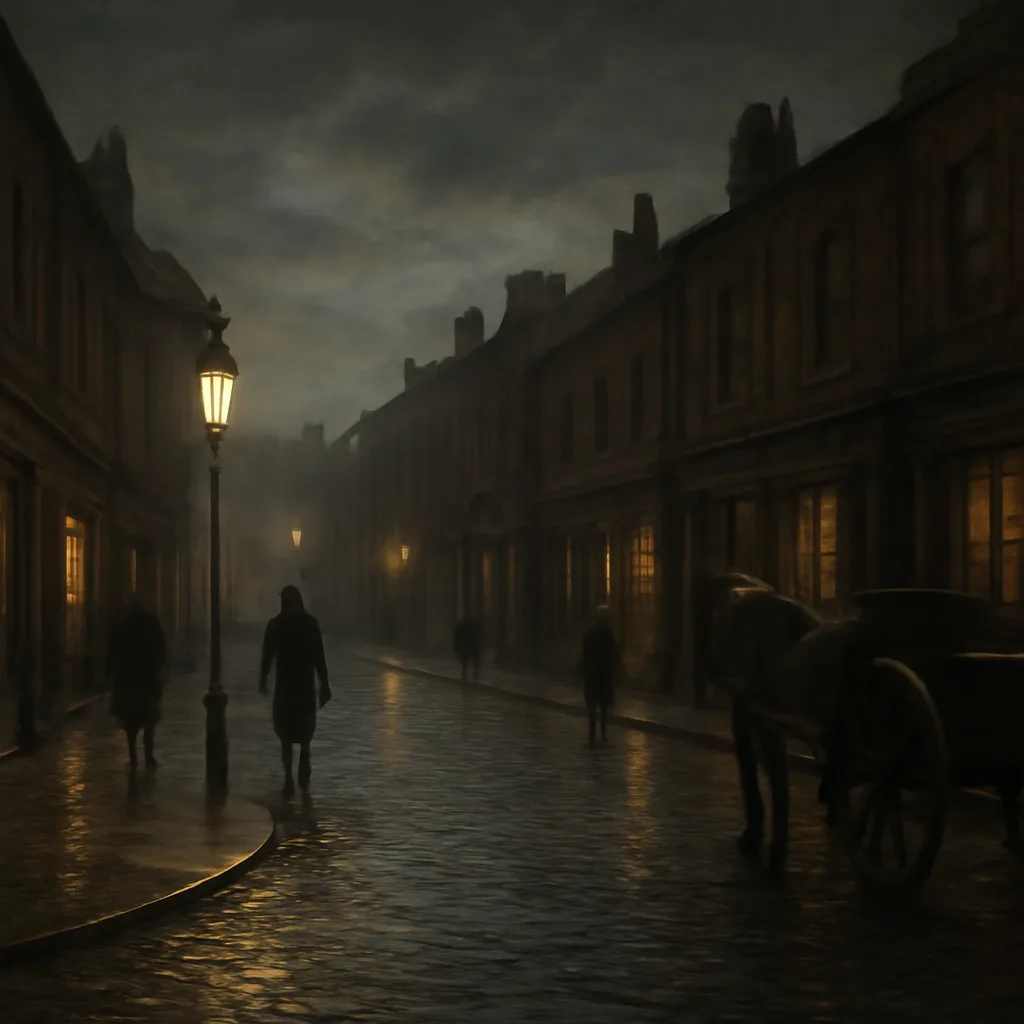
Jack the Ripper Murders Terrorize London’s East End
A series of brutal murders of women in London’s Whitechapel district in 1888 has sparked widespread fear, intense press coverage, and a police manhunt for an unidentified assailant dubbed 'Jack the Ripper.' The killings have highlighted social tensions, poverty, and the limits of contemporary policing.
In the autumn of 1888, a cluster of violent murders in London's East End focused attention on Whitechapel and the limits of Victorian-era law enforcement. Between August and November that year, several women—most of them impoverished and engaged in casual sex work—were found killed and mutilated. The case would become known widely as the work of 'Jack the Ripper,' a name that entered public consciousness after taunting letters sent to police and newspapers, though the authorship and authenticity of those letters remain disputed.
Victims commonly associated with the Ripper killings include Mary Ann Nichols (found August 31, 1888), Annie Chapman (found September 8), Elizabeth Stride and Catherine Eddowes (both found the night of September 30), and Mary Jane Kelly (found November 9). Coroners and contemporary press reports documented severe throat wounds and abdominal mutilations in several of these cases, which fueled sensational reporting and public alarm. Police investigations also examined additional murders and assaults from the same period, but whether all were committed by a single perpetrator is still debated by historians and criminologists.
Contemporary policing faced significant challenges. Metropolitan Police resources were limited, forensic science was rudimentary, and overcrowded, impoverished living conditions in Whitechapel made detection and witness reliability problematic. Multiple police divisions, local detectives, and a volunteer network of police constables and beat officers worked long hours, but investigative methods relied mainly on witness interviews, basic medical examinations, and patrols. The media response was voracious: provincial and national newspapers published lurid details, speculative commentary, and public appeals, increasing pressure on police and stoking public fear.
Social context shaped public reaction. Whitechapel in the late 19th century was marked by overcrowding, unemployment, and recent immigration; many residents lived in lodging houses and common rooms under unsanitary conditions. Reformers and social investigators used the murders to highlight poverty, inadequate housing, and the vulnerability of women who turned to street-based sex work for survival. Others criticized the sensational press for exploiting victims and fueling moral panic.
Official inquiries produced arrests and interrogations but no convictions that conclusively resolved the killings. The case prompted changes in police practice over time—expanded coordination between divisions, increased attention to crime scene preservation, and gradual development of investigative techniques—but these reforms were incremental. Public memory of the 1888 murders has been shaped heavily by press coverage, conflicting police records, and later scholarly and popular treatments that mix contemporary documents with later interpretation.
Because modern forensic methods were not available and records from the time are incomplete or contradictory, definitive answers about the identity, motives, or the exact number of victims attributed to the Ripper are lacking. Historians continue to examine coroners' reports, police files, newspapers, and social data from the period to understand both the crimes and their broader significance. The Whitechapel murders of 1888 remain a focal point for discussions about urban poverty, gendered violence, media influence, and the evolution of criminal investigation in Victorian Britain.