
← Back
09/30/2013 • 4 views

Federal government shuts down as budget talks collapse
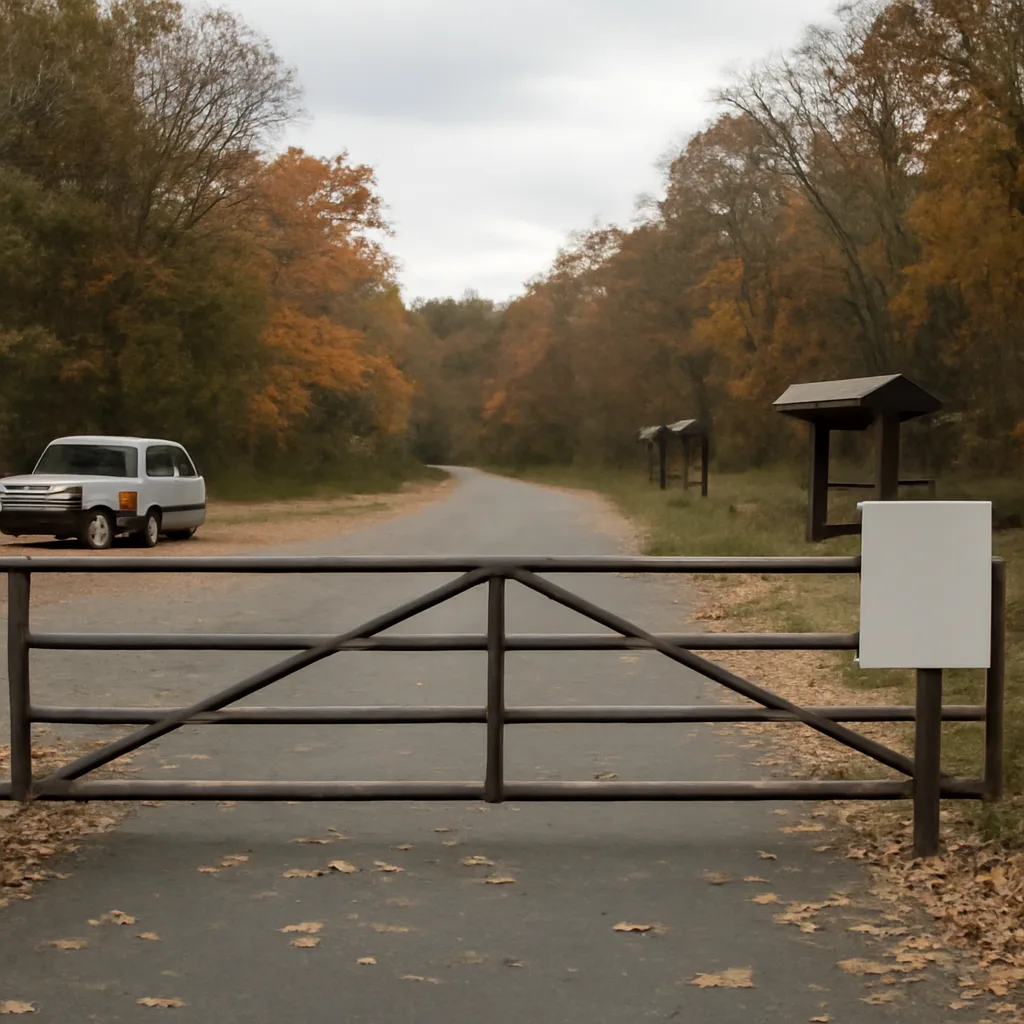
Closed gate and signage at a national park entrance with parked government vehicles nearby, indicating temporary suspension of services during a federal government shutdown in 2013.

On September 30, 2013, partisan disagreements over the federal budget and the Affordable Care Act led to a U.S. government shutdown, halting many federal services and furloughing hundreds of thousands of employees until a deal was reached in October.


On September 30, 2013, the United States federal government entered a shutdown after Congress failed to pass appropriations or a continuing resolution to fund government operations. The immediate trigger was a standoff in the Republican-controlled House of Representatives, where a faction sought to use funding legislation to delay or defund the Affordable Care Act (ACA). Democratic leaders and the Senate opposed attaching such conditions to routine spending bills, producing an impasse that prevented the passage of the spending measures required to keep many federal agencies operating.

A government shutdown occurs when Congress does not enact appropriations legislation by the start of the fiscal year (or a continuing resolution extending funding). Under long-standing legal and administrative guidance, agencies must cease nonessential operations and furlough employees who are not excepted for the protection of life and property. During the 2013 shutdown, hundreds of thousands of federal workers were furloughed, while others—such as military personnel, air traffic controllers, border security staff, and those performing emergency or national security functions—continued to work without immediate pay. Many public services were curtailed: national parks and Smithsonian museums closed, national parks saw garbage accumulation and overcrowding issues in some areas, some regulatory and permitting processes were delayed, and various research and grant activities were suspended.

The economic impact was immediate and measured in lost output, delayed contracts, and administrative costs of restarting paused programs. Estimates from economists and government analysts at the time placed the short-term cost of the shutdown in the billions of dollars; longer-term effects included disrupted contractor schedules and delayed agency work that could not be promptly recovered.

Political fallout was significant. Public approval ratings for Congress were low entering the standoff and fell further as public perception of partisan brinkmanship hardened. Lawmakers on both sides issued competing narratives about responsibility for the shutdown. The episode intensified debates over legislative tactics such as using appropriations as leverage for policy changes, and it influenced subsequent negotiations over budget and debt matters.

The shutdown lasted until mid-October, when congressional negotiators reached an agreement to reopen the government and resume funding. The resolution included a continuing resolution to fund the government and provisions to raise the debt limit, while leaving broader disputes over the ACA and budget priorities for future negotiation. In subsequent years, the 2013 shutdown has been referenced in discussions of fiscal brinkmanship, showing both the immediate operational disruptions of a funding lapse and the political risks lawmakers face when pursuing high-stakes bargaining strategies over appropriations.

Historical accounts of the 2013 shutdown note its role in illustrating how internal party dynamics, procedural rules, and high-profile policy disputes can combine to produce government closures. While the shutdown was relatively short compared with some earlier closures in U.S. history, its effects on federal employees, public services, and the political climate were widely documented and debated in contemporaneous reporting and analysis.

Share this

Email Share on X Facebook Reddit

Did this surprise you?