
08/02/2014 • 6 views
Nicaraguan man declared dead wakes in body bag after ambulance pronouncement
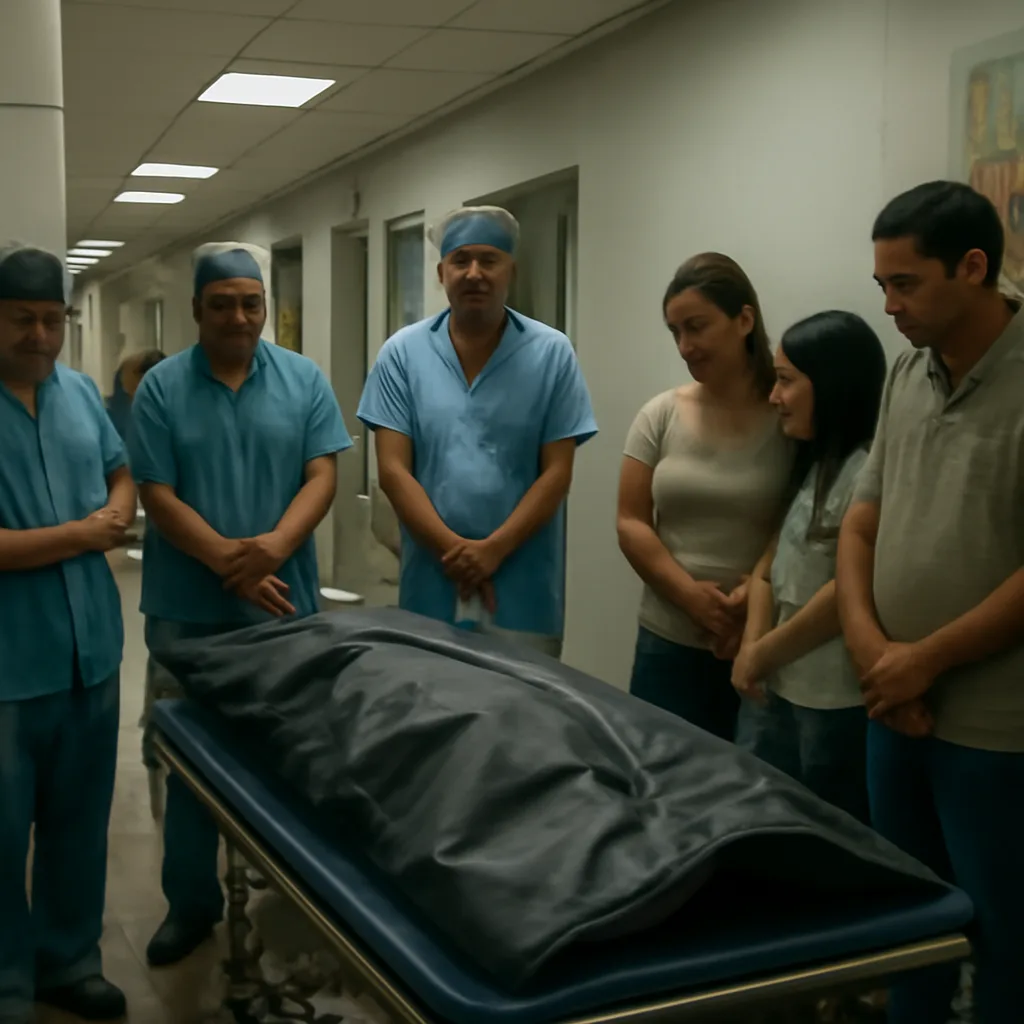
On August 2, 2014, Nicaraguan man Edgard Alexis reportedly regained consciousness while inside a body bag after being declared dead by paramedics; he later described feeling cold and then squeezing his hand to get attention. Authorities and media accounts noted procedural questions about the pronouncement and handling of the patient.
Reports from local news outlets at the time described a sequence in which first responders and family members initially concluded Alexis had died — a determination that has been variously attributed in coverage to lack of noticeable vital signs, lip cyanosis, and the context of a serious medical event. After sounds were heard from inside the bag, the bag was unzipped and Alexis was found breathing. He was transferred to a healthcare facility for further evaluation.
The incident prompted both human-interest coverage and questions about medical and mortuary procedures. Journalists and commentators highlighted concerns about the accuracy of field death pronouncements, availability of equipment to verify vital signs reliably, and training for paramedics in low-resource settings. Some reports noted that in emergencies, particularly in areas with limited medical infrastructure, distinguishing between apparent death and deeply depressed consciousness can be challenging without monitoring devices.
Accounts of Alexis’s post-rescue condition varied in detail. Contemporary coverage stated he was taken to a hospital and later discharged; follow-up information about his longer-term medical outcome is limited in the public record. Media outlets reproduced statements from family members and local officials but there is no comprehensive medical report publicly available detailing diagnostics or cause of the initial collapse.
This episode joined a small number of globally reported cases in which people have been declared dead and later found to be alive. Such incidents are rare but have recurrently raised debate about standards for declaring death, use of confirmatory techniques (such as electrocardiography, auscultation, and monitoring for spontaneous respiration), and the protocols governing transport and handling of bodies. In many jurisdictions, clear legal and clinical criteria exist to reduce misdiagnosis; however, resource constraints and situational pressures can complicate adherence to ideal practice.
Because contemporaneous reporting relied on local news sources and statements by those present, some details remain uncertain or disputed in secondary coverage. There is no accessible peer-reviewed medical case report that thoroughly documents Alexis’s physiological status before, during, and after the event. As with similar anecdotes, the incident illustrates both the human drama and the systemic issues that can surround pronouncements of death in emergency contexts.