Iraq Invades Kuwait, Sparking the 1990–91 Gulf War
On August 2, 1990, Iraqi forces under President Saddam Hussein invaded and occupied Kuwait, prompting international condemnation, a U.N. arms embargo and the formation of a U.S.-led coalition that would expel Iraqi troops in the 1991 Gulf War.
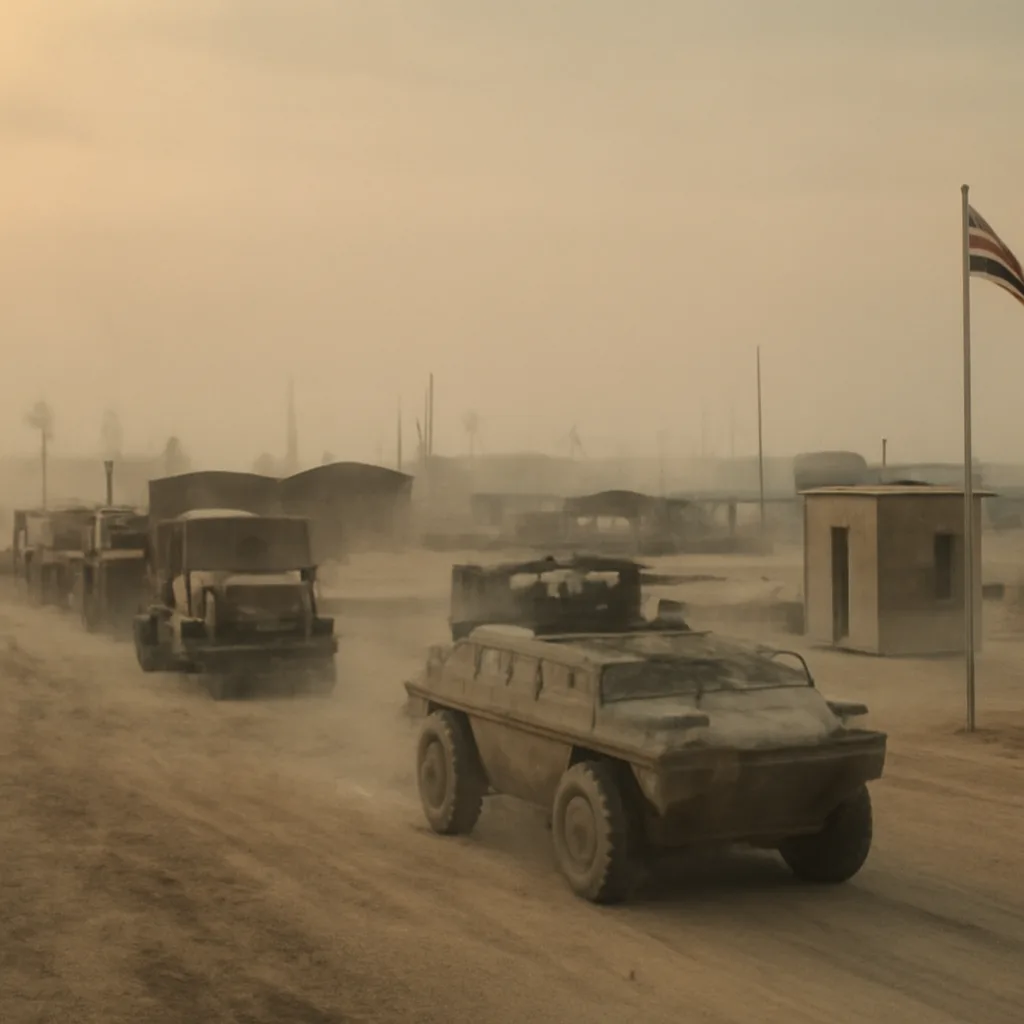
On August 2, 1990, Iraqi armed forces crossed the border into Kuwait in a swift military operation that quickly overwhelmed Kuwaiti resistance and led to full occupation. Baghdad declared Kuwait a province of Iraq within days, asserting historical and economic claims — including disputes over oil production and wartime debts — as justification. The invasion immediately generated widespread international condemnation.
The United Nations Security Council convened rapidly and passed successive resolutions demanding Iraq’s immediate, unconditional withdrawal and imposing economic sanctions. Resolution 660, adopted on August 2, 1990, condemned the invasion; subsequent resolutions escalated pressure through an arms embargo, asset freezes and authorization of member states to use “all necessary means” to uphold earlier resolutions if Iraq did not withdraw by the U.N.-set deadline.
Diplomatic efforts in the weeks after the invasion failed to secure a withdrawal. Iraq detained Kuwaiti officials and citizens, took control of oil facilities and announced annexation plans. Reports of looting and destruction of infrastructure, including damage to oil fields and pipelines, raised regional and environmental alarm. The occupation also created a refugee and humanitarian situation, with Kuwaiti civilians displaced and numerous foreign nationals stranded or interned.
The United States, citing the importance of regional stability and security of petroleum supplies, rapidly built a broad international coalition. Operation Desert Shield deployed U.S. and coalition forces to Saudi Arabia and surrounding states to deter further Iraqi advances. Over the autumn and winter of 1990–91, the coalition assembled air, naval and ground forces from more than 30 countries and maintained intense diplomatic pressure through the U.N.
When Iraq ignored the U.N. withdrawal deadline of January 15, 1991, the Security Council authorized use of force. On January 17, 1991, coalition forces launched Operation Desert Storm, an intensive air and missile campaign targeting Iraqi command-and-control, air defenses and logistics. After weeks of bombardment, a ground offensive beginning on February 24 achieved rapid breakthroughs; coalition forces liberated Kuwait City within days. Major combat operations were declared ended on February 28, 1991, though international forces remained in the region and localized fighting continued.
The invasion and ensuing war had substantial human, economic and political consequences. Thousands of military personnel and civilians were killed or wounded, accurate counts remain contested, and the conflict displaced many. Environmental damage was severe where retreating Iraqi forces set fire to hundreds of oil wells in Kuwait, creating one of the largest oil fires in history and causing widespread pollution. The war reshaped regional alliances, deepened U.S. military involvement in the Gulf, and left Saddam Hussein’s regime weakened but intact in Iraq, setting the stage for later conflicts and sanctions through the 1990s.
Historical assessments emphasize that the Iraqi invasion was driven by a mix of territorial claims, economic grievances and regional power calculations, but interpretations of Iraqi motives and decision-making differ among scholars and participants. The Gulf War is widely documented through U.N. records, government archives, contemporary journalism and later historical studies; when specific casualty figures, diplomatic intentions or internal Iraqi deliberations are mentioned, sources vary and some details remain disputed among historians.