
05/18/2008 • 5 views
Man’s Attempt to Heat Pet Snake in Microwave Destroys House
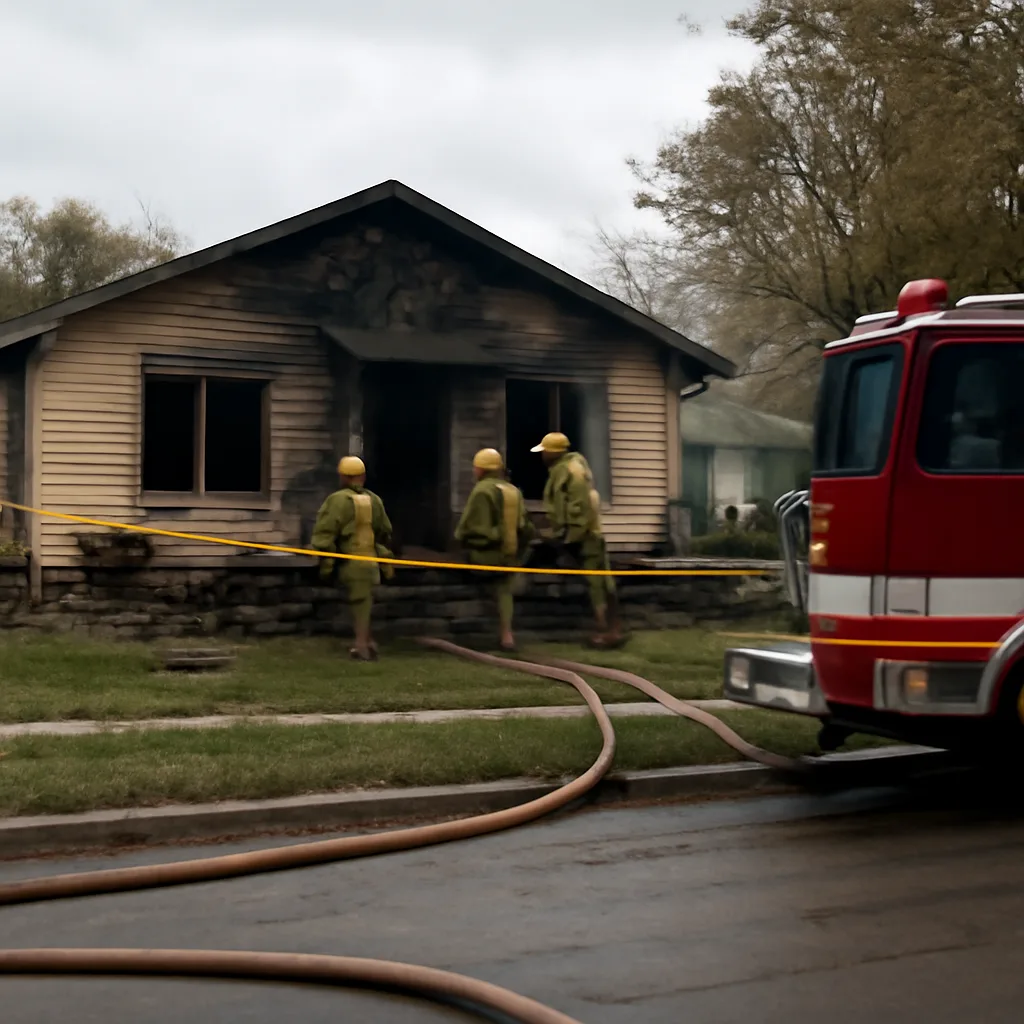
On May 18, 2008, a man in the United States accidentally set his home on fire after attempting to warm a pet snake in a microwave; the blaze destroyed the residence and prompted an investigation into the circumstances and safety of heating animals by appliance.
Reports from the time indicate the immediate ignition source was the microwave, which can produce sparks or overheat when operated improperly or with inappropriate contents. Microwaves are designed to heat food and liquids by agitating water molecules; materials and animals with air pockets, shells, or limited water content can heat unevenly, ignite, or cause electrical faults. Placing living creatures in a microwave is dangerously inappropriate and has been repeatedly warned against by veterinarians, animal welfare groups, and appliance manufacturers.
The owner’s motive for warming the snake in a microwave was reported in contemporaneous local coverage as an attempt to raise the animal’s body temperature quickly. Snakes and other reptiles are ectothermic and require external heat sources to regulate body temperature, but recommended methods include heat lamps, under-tank heating pads, and controlled ambient heating—methods that allow gradual, monitored warming. Microwaving a live animal risks overheating, burns, ignition of the appliance’s interior components, and start of a fire.
Emergency responders focused on extinguishing the blaze and ensuring no other structures were endangered. Fire investigations typically examine appliance damage, power supply, and eyewitness accounts to determine whether a malfunction or misuse caused the fire. In this case, investigators attributed the ignition to the microwave being used improperly; local reports recorded significant structural loss to the house. Information about criminal charges or animal welfare outcomes from the incident was variably reported; some follow-ups emphasized public safety messaging rather than legal action.
The incident underscored two public-safety points frequently reiterated after similar episodes: the importance of using heating equipment only as intended by manufacturers and the need for appropriate, species-specific care for exotic pets. Veterinarians who treat reptiles emphasize controlled, steady heating and monitoring to avoid thermal shock or burns. Fire-safety educators note that household appliances can become ignition sources when misused, and they advise that residents keep working smoke detectors, plan escape routes, and contact professionals for both fire emergencies and questions about safe pet care.
While unusual, this case is part of a broader set of incidents in which misuse of household appliances has led to fires. The specifics—microwaving a live snake—drew attention because it combined animal welfare concerns with property loss and personal safety hazards. Contemporary coverage and subsequent safer-care recommendations aimed to prevent similar occurrences by directing owners of reptiles and other exotic pets to reputable husbandry resources and by reminding the public that common kitchen appliances are not suitable substitutes for proper animal-care equipment.