
06/18/1950 • 4 views
June 18, 1950: The Diners Club card ushers in the modern credit-card era
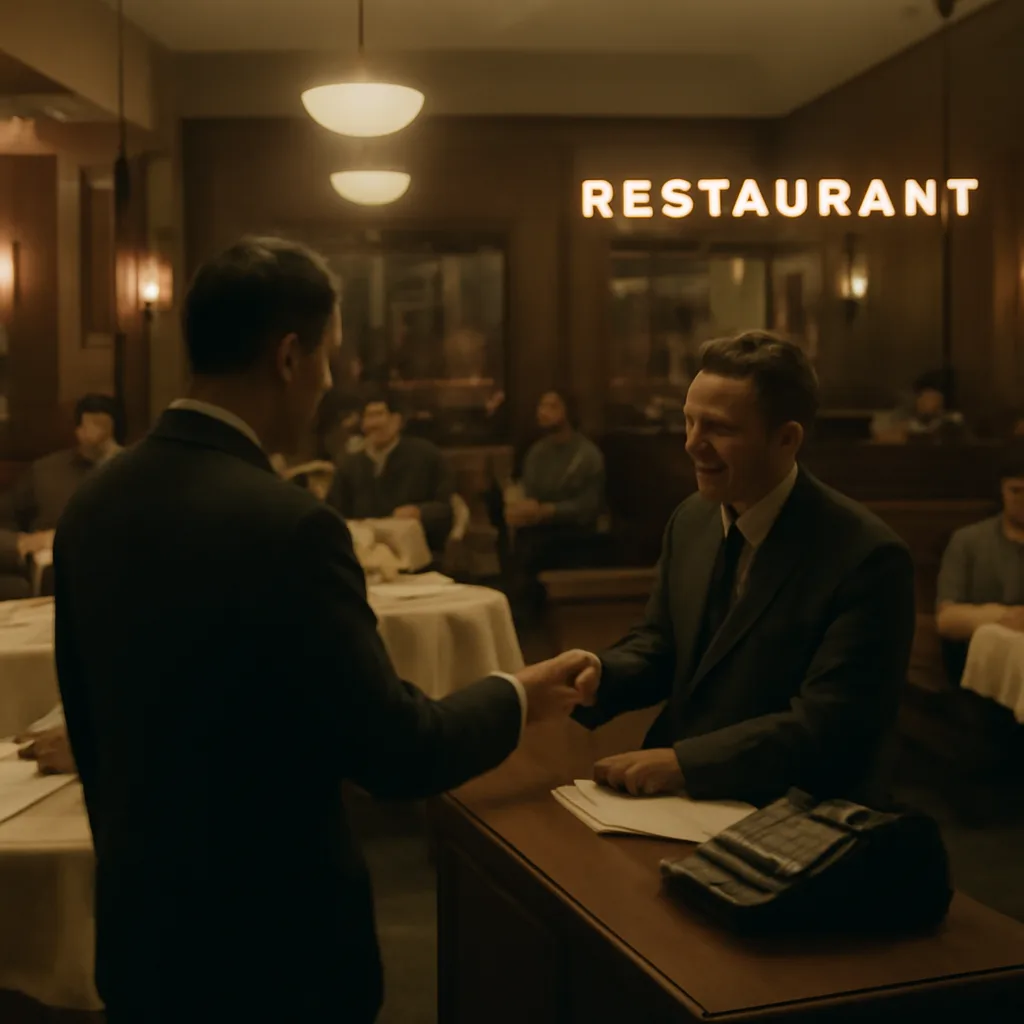
On June 18, 1950, the Diners Club charge card—widely recognized as the first modern general-purpose card—was introduced in New York, enabling customers to pay at multiple merchants without cash and laying groundwork for today's credit-card industry.
In the late 1940s, business travel and dining out were increasing, and consumers and merchants faced friction from cash-only transactions and multiple small accounts. Frank X. McNamara, Ralph Schneider and businessman Matty Simmons organized Diners Club to simplify payment for meals charged to a single account. The idea developed from McNamara’s 1949 “pay later” arrangement at a New York restaurant; he and partners refined the concept into a printed card that could be presented at participating establishments.
Introduction on June 18, 1950
On June 18, 1950, the Diners Club card was launched in New York City as a charge card accepted at a network of restaurants and other merchants. Early members paid an annual fee and settled their balances in full each month; the card did not initially allow revolving credit (carrying a balance with interest). Diners Club distributed a cardboard card—later replaced by more durable materials—and published lists of participating merchants, establishing the practical features associated with modern general-purpose payment cards: a single account for purchases across multiple businesses and centralized billing.
Early growth and significance
The card attracted both individual and corporate customers. Its initial publicity and word-of-mouth adoption quickly expanded the network of participating merchants beyond restaurants to hotels, retailers and service providers. Within a few years Diners Club had international arrangements and inspired competitors. While earlier specialized charge arrangements and proprietary store cards existed, Diners Club is commonly cited by historians and industry sources as the first widely used multipurpose charge card that functioned across unaffiliated merchants—an important conceptual and operational step toward the bank-issued credit cards that followed in the 1950s and 1960s.
Limitations and developments
Diners Club started as a charge-card model requiring full payment each month, not as a credit product with revolving balances. The broader expansion of credit-card features—magnetic stripes, electronic authorization, universal acceptance, and consumer credit accounts—developed later through innovations by banks and payment networks (notably the BankAmericard/Visa and Master Charge/Mastercard systems in the 1960s and 1970s). The card and company also faced operational challenges common to early payment networks, including issuing durable cards, reconciling merchant billing, and building trust among consumers and businesses.
Historical assessment
Scholars and industry histories generally recognize June 1950 and the Diners Club launch as the birth of the modern general-purpose payment card, because it combined cross-merchant acceptance, centralized billing, and a portable card. Where accounts differ is over what counts as “first”: some prior local or proprietary charge arrangements predated Diners Club, but they lacked the same multi-merchant, portable structure. Contemporary sources from the era and later historical studies reflect this qualification.
Legacy
The Diners Club innovation changed expectations about payments, encouraged networked merchant acceptance, and set design and operational patterns followed by later credit-card systems. Over subsequent decades the payments landscape evolved dramatically—introducing revolving credit, electronic processing, and global networks—but the Diners Club card of June 18, 1950, remains a widely cited milestone in the transition from cash-and-IOU transactions to the modern card-based payments infrastructure.