
05/18/1947 • 5 views
1947 Report Identifies First Known Deaths Linked to Counterfeit Medicine
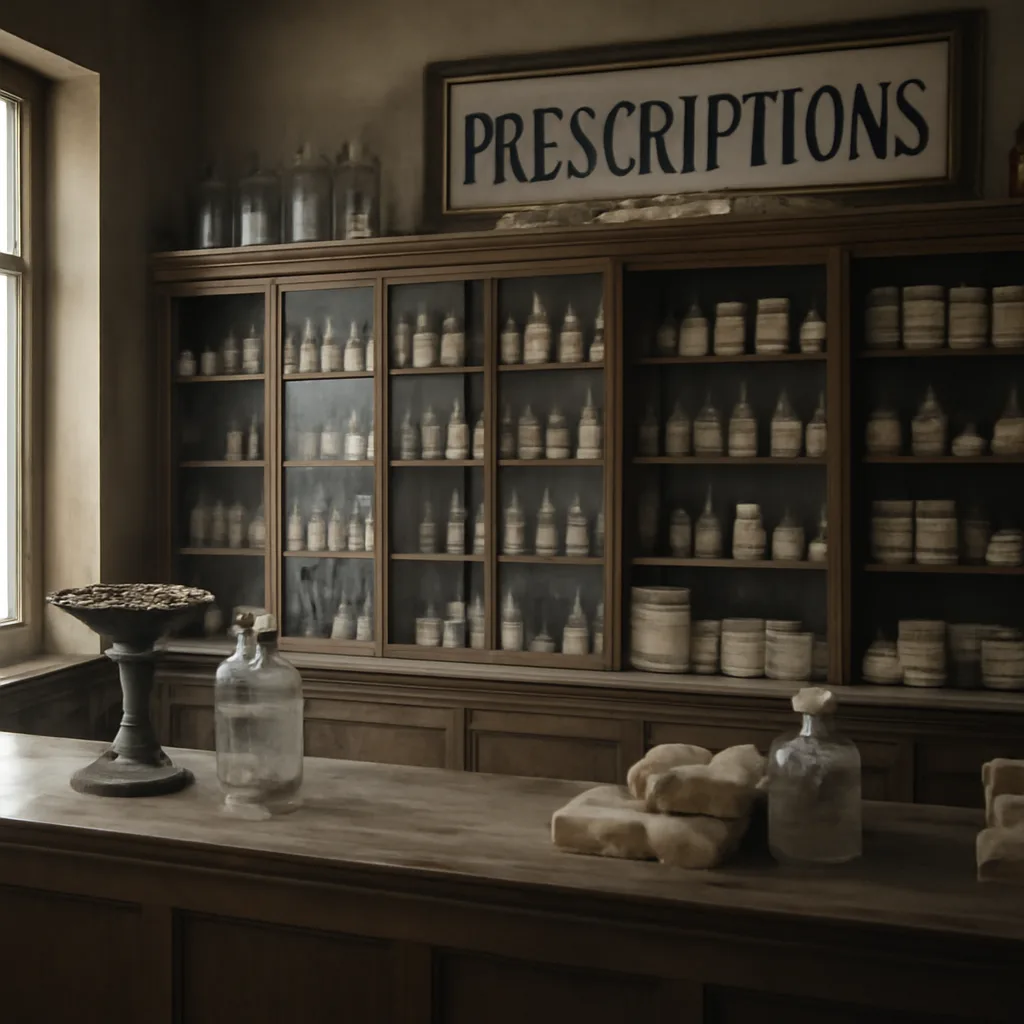
On May 18, 1947, authorities reported what has been described as the first documented fatalities attributed to counterfeit medicines, prompting early calls for stronger regulation and oversight of pharmaceutical supplies.
Details from period summaries indicate that individuals had consumed medicines that were either adulterated, mislabelled, or produced outside recognised manufacturing controls. Medical examiners and public health officials at the time connected the clinical presentations and postmortem findings to the presence of incorrect or harmful substances in the preparations. Investigations were hampered by limited analytic capacity compared with modern forensic toxicology, but the association between the suspicious products and the deaths was strong enough for officials to warn the public and to pursue inquiries into sources and distribution.
This episode highlighted several structural problems of the era: disrupted pharmaceutical manufacturing during wartime and its aftermath; inconsistent enforcement of manufacturing standards across jurisdictions; and an international market in medical products that included unregulated or illicit suppliers. It also underscored the nascent state of many national drug regulatory systems—already under development in some countries but not yet as comprehensive or scientifically supported as later regimes.
Responses included local and national appeals to avoid unverified sources for medicines, calls for improved product labelling and inspection, and renewed attention to the need for laboratory testing of suspect products. Over the following decades, cases like the 1947 incident contributed to the expansion of analytical toxicology, stricter licensing of manufacturers and wholesalers, and the growth of surveillance systems to detect adverse events linked to pharmaceuticals.
While this 1947 event is frequently cited in historical overviews as among the earliest well-documented deaths attributed to counterfeit medicines, historians and public health researchers note that the phenomenon of falsified or adulterated remedies predates the 20th century by centuries—ranging from adulterated herbal remedies to poisonous contaminants in patent medicines. What distinguishes the 1947 report in many modern accounts is the combination of postwar market conditions, emerging forensic capabilities, and contemporaneous official acknowledgement of counterfeit medicine as a lethal public-health problem.
Limitations in the historical record mean that some details remain incomplete or contested: specific product names, precise chemical analyses, and full chains of distribution are not always completely documented in publicly available sources. Nevertheless, the incident on May 18, 1947, is important in the history of drug regulation because it helped catalyse subsequent regulatory and laboratory developments aimed at preventing similar tragedies.
In sum, the 1947 report serves as an early, documented instance linking counterfeit medicinal products to fatalities and illustrates how postwar conditions and limited regulatory capacity combined to create risks that later decades of policy and scientific advancement sought to address.