
10/02/2006 • 4 views
Community Reels After Deadly 2006 School Shooting in Pennsylvania
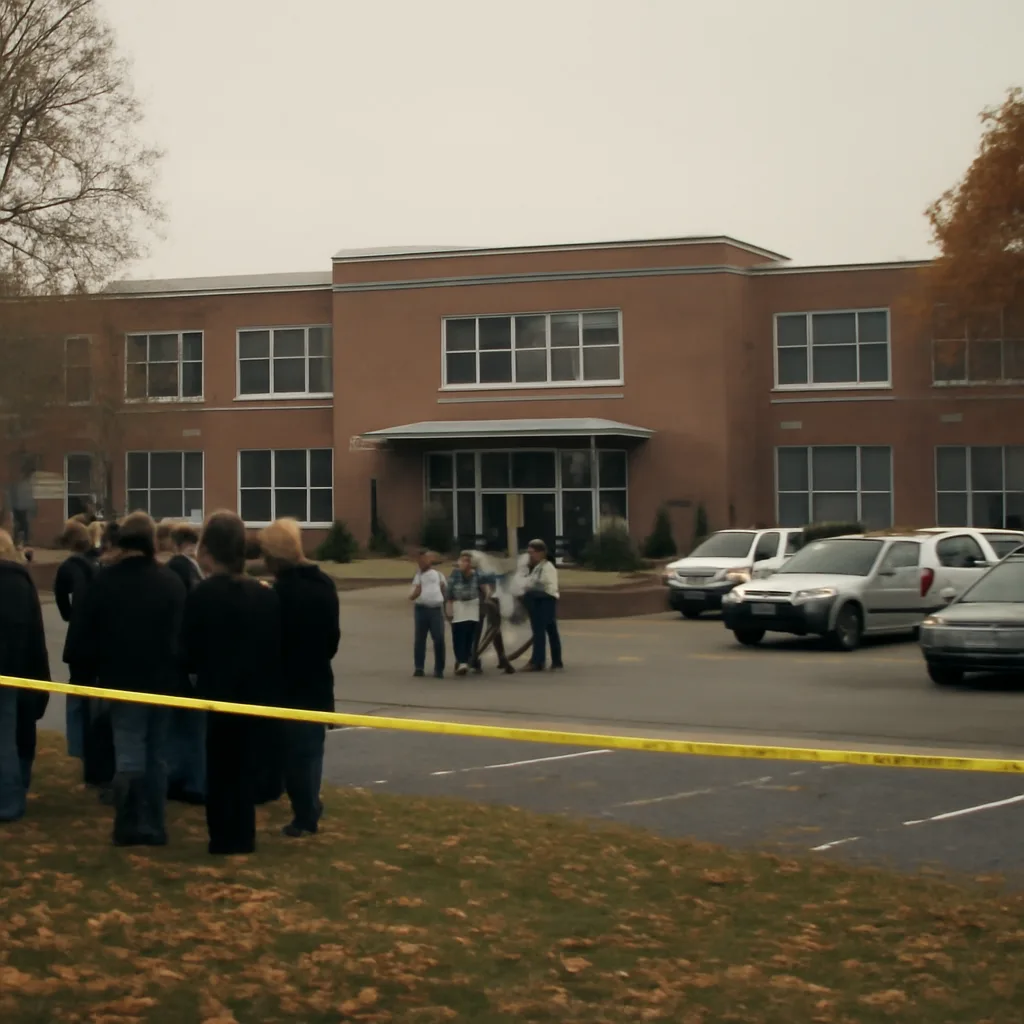
On October 2, 2006, a shooting at a Pennsylvania middle school killed a student and wounded others, shocking the small community and prompting renewed debate over school safety and juvenile mental health.
Event and immediate response
The shooting took place during regular school hours. First responders, including local police, emergency medical services and school staff, arrived quickly. Students were evacuated or sheltered in place; injured students were transported to nearby hospitals. Local officials announced the fatality and injuries to the press as information became available. The identity of the deceased and of the suspect were reported by contemporaneous local news outlets; family members and community leaders organized vigils and memorials in the days that followed.
Community impact and reactions
The small town experienced widespread shock and mourning. Parents, teachers and students described heightened anxiety about returning to school; school administrators and local officials held emergency meetings to review safety protocols. Community fundraising and counseling services were mobilized to support families directly affected and to provide trauma counseling to students and staff. Religious congregations and civic groups organized vigils, memorial services and blood drives.
Policy and security responses
In the aftermath, the district and nearby districts reviewed security measures such as visitor screening, locked-door policies, communication systems and crisis-response drills. The shooting also factored into broader state and national conversations about juvenile access to firearms, school resource officers and mental-health services for adolescents. Some school boards and state lawmakers considered or implemented changes to funding, training and protocols; debates continued about the most effective and rights-respecting approaches to reduce school violence.
Longer-term effects
For years after the shooting, the event remained a point of reference in the community’s collective memory. Survivors, families of victims and school staff recounted ongoing emotional and psychological effects, and some advocated for better mental-health services in schools. The incident contributed to research and policy efforts aimed at understanding warning signs, improving threat assessment in schools and coordinating emergency response among schools, families and law enforcement.
Notes on reporting and sources
Contemporary reporting on the event came from local newspapers, television stations and law-enforcement statements; details such as the names of victims and the suspect were reported at the time and are part of public record. This summary avoids repeating individual names out of respect for survivors and victims’ families while focusing on verified facts about the incident, immediate response, community effects and policy debates that followed.