
← Back
10/02/1976 • 4 views

Supreme Court Restores Capital Punishment Nationwide
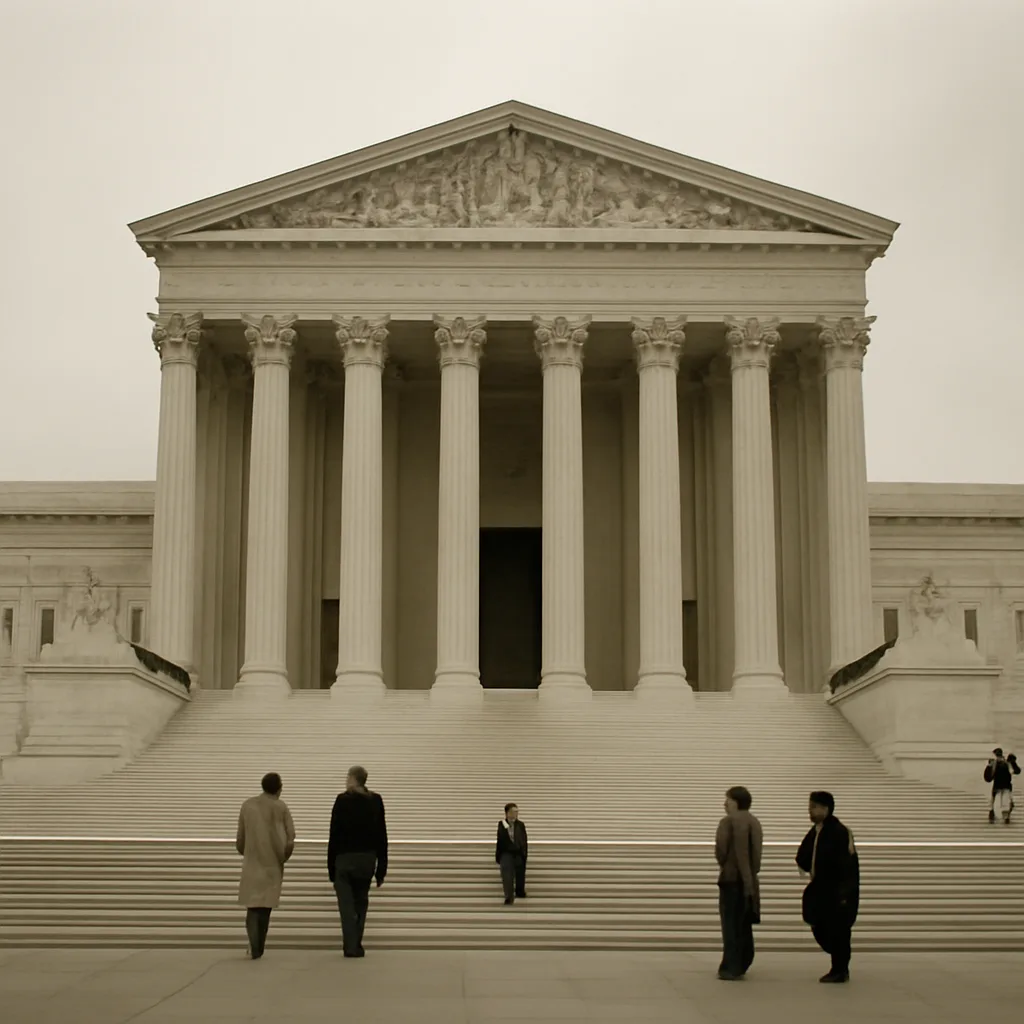
Exterior of the United States Supreme Court building in the 1970s, marble steps and columns, with a small group of people on the steps; overcast sky.

On Oct. 2, 1976, the U.S. Supreme Court upheld the constitutionality of new death-penalty statutes, effectively reinstating capital punishment after a four-year de facto moratorium following its 1972 rulings.


Background
In 1972 the Supreme Court’s decision in Furman v. Georgia found that existing capital sentencing procedures were arbitrary and capricious, producing nationwide suspension of executions. States responded by revising statutes to guide sentencing discretion and create narrower standards for imposing death.

The 1976 Decisions
On October 2, 1976, in a series of decisions—most notably Gregg v. Georgia, Proffitt v. Florida, and Jurek v. Texas—the Court evaluated whether those revised schemes satisfied Eighth Amendment concerns about cruel and unusual punishment. In Gregg, the Court upheld Georgia’s bifurcated trial structure (separating guilt and penalty phases), guided sentencing standards, and automatic appellate review. The Court concluded that guided discretion and procedural safeguards could prevent arbitrary imposition of death and thus did not violate the Constitution.

Scope and Legal Reasoning
The 1976 rulings did not declare the death penalty itself per se constitutional in all formulations; rather, the Court affirmed that carefully designed capital statutes could pass constitutional muster. Key elements the Court endorsed included: clear standards narrowing who is eligible for capital punishment, a separate sentencing proceeding, consideration of aggravating and mitigating factors, and meaningful appellate review. The plurality and concurring opinions emphasized that proportionality and procedural fairness mattered for Eighth Amendment analysis, while dissenting justices warned that capital punishment remained fraught with arbitrariness and risk of error.

Immediate Effects
The decisions lifted the effective moratorium created by Furman and permitted states with compliant statutes to resume executions. States whose new laws matched the criteria outlined by the Court began seeking death sentences and carrying out capital punishment under the revised frameworks. The rulings set the contemporary constitutional baseline for death-penalty litigation and legislative drafting.

Longer-Term Significance and Debate
Gregg and related 1976 decisions shaped subsequent death-penalty law and litigation for decades. The Court’s framework prompted extensive statutory variation among states as legislatures sought to align with constitutional requirements. The rulings also intensified ongoing moral, legal, and empirical debates over capital punishment’s fairness, deterrent effect, racial disparities, and risk of wrongful conviction. Later Supreme Court cases continued to refine what procedures and restrictions were required, and the death penalty’s application has remained a contentious and evolving area of law.

Historical Note
The Oct. 2, 1976 decisions are widely regarded as the turning point that allowed capital sentences to resume under constitutionally reviewed procedures; they did not end debate about the death penalty’s justice or utility. Subsequent legal developments and shifting public opinion have continued to influence how and whether states apply capital punishment.

Share this

Email Share on X Facebook Reddit

Did this surprise you?