
10/02/2015 • 5 views
NASA: Evidence of Mars environments that could have supported life found
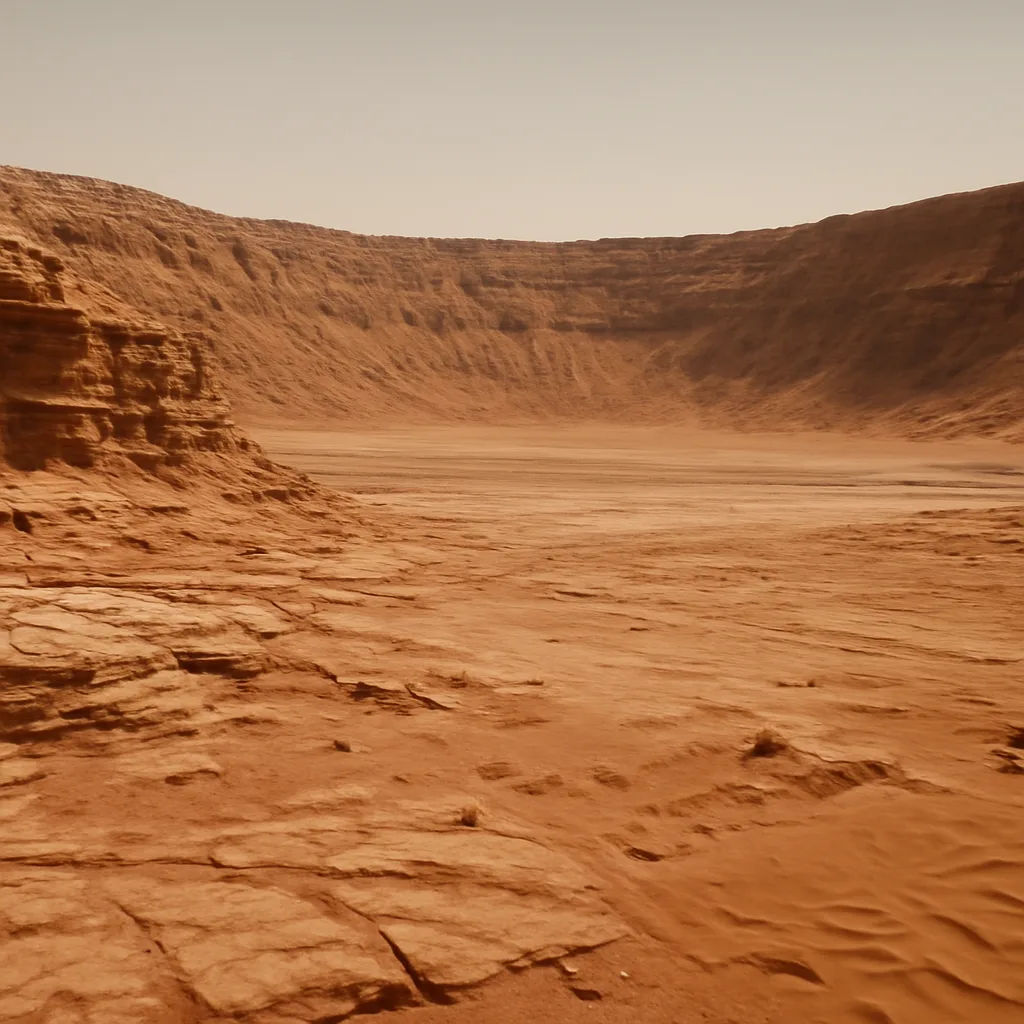
NASA reports that data from Mars missions reveal past environments with water, energy sources and chemical ingredients that could have been habitable for microbial life, renewing interest in the Red Planet’s potential for biological activity.
Key data came from orbital observations and rover analyses. Instruments aboard orbiters mapped mineral deposits consistent with past aqueous activity, while the Mars Science Laboratory rover Curiosity analyzed sedimentary rocks in Gale Crater. Curiosity’s instruments detected clay minerals and sulfates that form in neutral to mildly acidic water, as well as organic molecules preserved in ancient mudstones. These lines of evidence suggested prolonged presence of standing or slow-moving water more favorable to life than previously recognized acidic environments on Mars.
NASA researchers highlighted three principal ingredients for habitability found in the data: a persistent source of liquid water, a suite of biologically useful elements (carbon, hydrogen, oxygen, nitrogen, phosphorus and sulfur), and redox couples that could provide chemical energy for microbes. Curiosity’s measurements showed variations in rock chemistry and mineralogy consistent with freshwater environments and depositional settings—such as lakebeds and river deltas—where microbial life might have been sustained on Earth.
The agency and mission scientists were careful to differentiate between habitability and evidence of past life. Habitability indicates that environmental conditions were suitable for life as we know it, whereas detecting life requires clear biosignatures—patterns or compounds uniquely produced by biological activity. No such unambiguous biosignatures were announced in the 2015 statement.
The findings influenced ongoing and planned Mars exploration. NASA noted that identifying habitable environments helps prioritize landing sites and scientific targets for sample collection and future missions designed to search more directly for traces of past life. The announcement also bolstered international and commercial interest in follow-up missions equipped with instruments tailored to detect organic chemistry and potential biosignatures.
Researchers underscored uncertainties and limitations. Preservation of organics over billions of years on Mars is affected by radiation, oxidation and other degradation processes, complicating interpretations. Some organics detected could originate from non-biological processes, and distinguishing abiotic from biotic sources remains a central scientific challenge. Additionally, localized conditions on Mars varied in space and time; a habitable environment in one location or era did not imply global habitability.
The 2015 announcement formed part of a larger, gradual shift in Mars science away from viewing the planet as uniformly cold and dry toward recognizing a more complex climatic and geologic history with episodic or regional wet periods. Subsequent missions and analyses have continued to refine the timeline and duration of watery environments and to seek clearer signs that life ever arose on Mars.
In sum, NASA’s October 2, 2015 announcement highlighted compelling evidence that some ancient Martian environments had the ingredients and conditions necessary for microbial life, while stressing that definitive evidence of life remained unconfirmed and requiring targeted future searches.