Failures in Katrina Evacuation and Response Ignite Broad Criticism
After Hurricane Katrina struck in August 2005, widespread evacuation breakdowns and delayed federal, state, and local responses prompted national outrage over leadership failures, strained emergency plans, and the disproportionate impact on vulnerable communities.
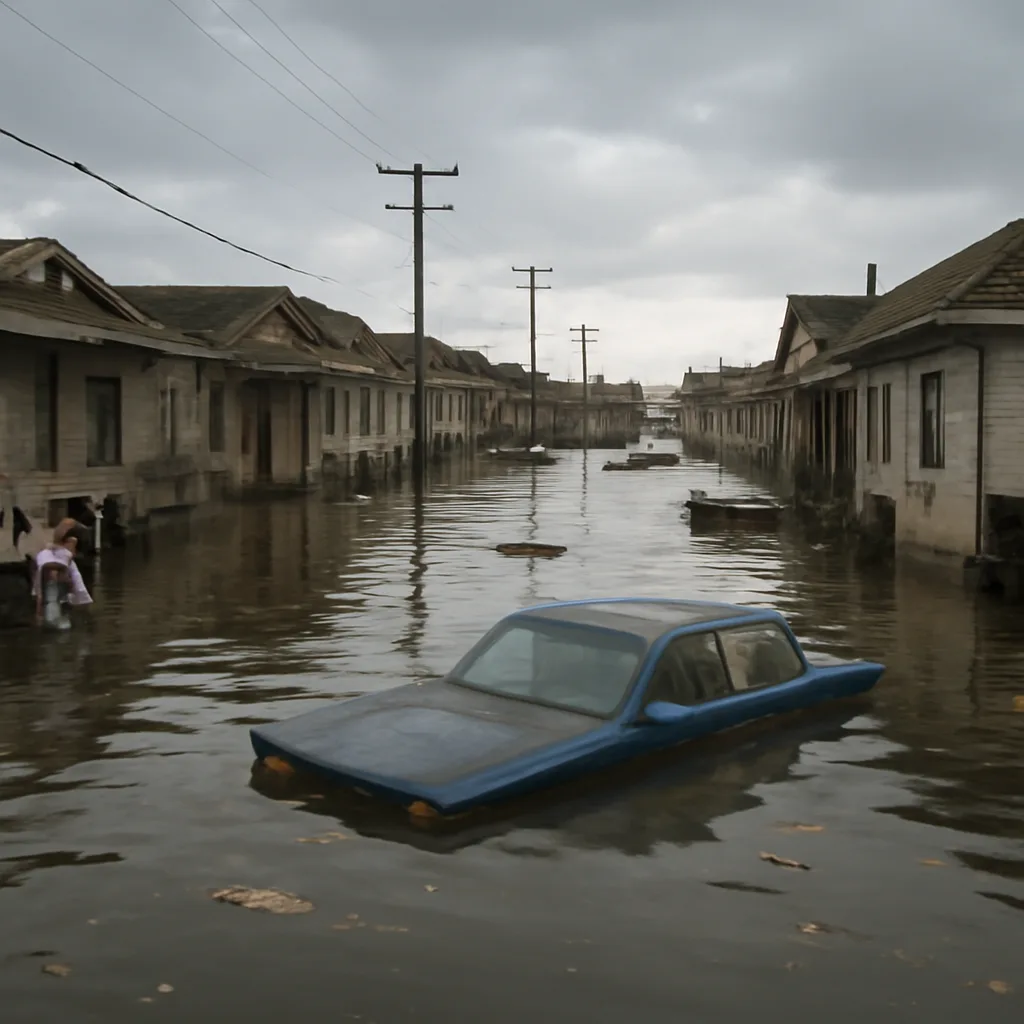
On August 29, 2005, Hurricane Katrina made landfall along the Gulf Coast, unleashing catastrophic storm surge that breached levees in New Orleans and inundated large parts of the city. What followed exposed critical failures in evacuation planning, emergency coordination, and relief delivery that drew intense public scrutiny and lasting controversy.
Pre-storm warnings and evacuation orders reached many residents, but a combination of factors limited the effectiveness of those directives. The city’s evacuation depended heavily on private transportation; hundreds of thousands lacked cars or the means to leave. Public transit options were inadequate for a mass evacuation, and plans to use school buses and other vehicles were not fully implemented in time. Critics noted that pre-existing social and economic inequalities—poverty, lack of access to information, and limited mobility among the elderly and disabled—left many residents effectively trapped.
As floodwaters rose and power failed, tens of thousands sought refuge in public facilities, most notably the Louisiana Superdome and the New Orleans Convention Center. Conditions in those shelters deteriorated rapidly: overcrowding, shortages of food, water, sanitation, and medical care, and breakdowns in security and communications were widely reported. The images of suffering and disorder from those sites became focal points for national anger and disbelief.
Coordination among local, state, and federal authorities proved problematic. The Federal Emergency Management Agency (FEMA), led at the time by Director Michael D. Brown, faced criticism for delayed deployment and inadequate on-the-ground presence. Local officials, including New Orleans Mayor Ray Nagin, and Louisiana Governor Kathleen Blanco also faced scrutiny for evacuation orders, preparedness, and communication with federal partners. Investigations and hearings in Congress and by independent bodies identified failures in planning, communication chains, and the speed of resource allocation.
The breakdowns had a pronounced racial and socioeconomic dimension. New Orleans’s poorer neighborhoods and predominantly African American communities bore a disproportionate share of the harm, both in immediate suffering and in longer-term displacement. Journalistic accounts, academic studies, and government inquiries emphasized how systemic inequalities shaped who could evacuate, who received aid quickly, and who experienced protracted recovery.
In the weeks and months after Katrina, national outrage manifested in media coverage, congressional hearings, and public protests demanding accountability and reforms. Major reports—such as the U.S. House of Representatives Committee on Government Reform’s findings and the bipartisan report by the U.S. Army Corps of Engineers and other agencies—cataloged institutional shortcomings. FEMA underwent personnel changes and eventually major restructuring; emergency management policies and planning at multiple levels were revised to emphasize evacuation planning for those without private transport, improved logistics, and clearer lines of authority.
Long-term consequences included not only policy shifts but also demographic and cultural changes in New Orleans. Tens of thousands of residents were displaced permanently or for extended periods, altering neighborhood compositions and contributing to debates about rebuilding priorities and social justice.
While some officials and agencies defended aspects of the response as unprecedented in scale and complexity, the overall public reaction underscored a consensus that the evacuation and immediate relief efforts were insufficient and that systemic reforms were necessary. The Katrina aftermath remains a central case study in disaster planning, crisis communication, and the intersection of emergency management with social equity.
This summary relies on contemporaneous reporting, congressional investigations, and widely cited post-storm analyses. Where questions about specific timelines or individual decisions persist, official reports and hearings from 2005–2006 provide detailed records and remain the principal sources for verification.