
← Back
10/28/1995 • 4 views

1995 Baku Metro Blaze Kills Dozens
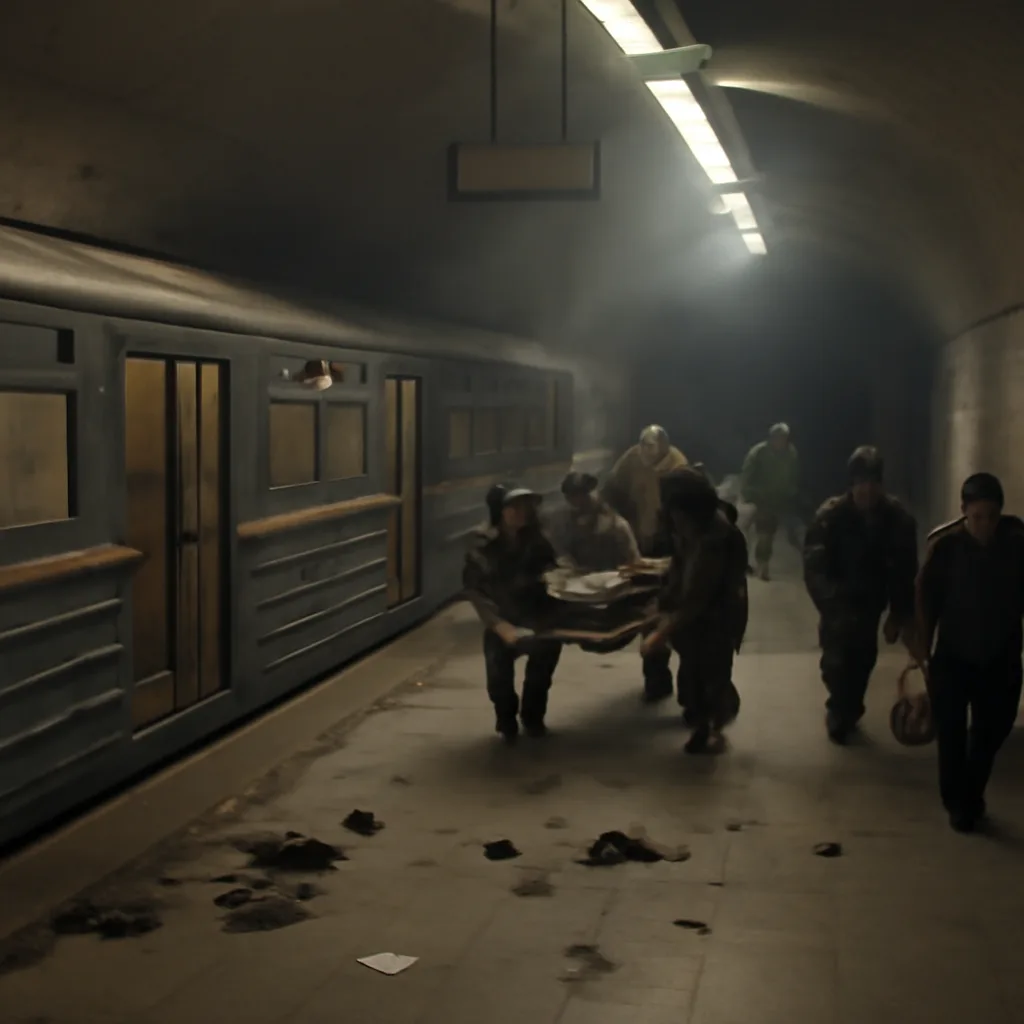
Interior view of a mid-1990s underground metro station platform with emergency responders and cordoned areas; smoke-stained walls and scattered debris indicating a recent fire.

On October 28, 1995, a fire broke out in Baku's metro system, killing dozens and injuring many more. The disaster exposed safety shortcomings in the city's subway infrastructure during Azerbaijan's turbulent post-Soviet transition.


On October 28, 1995, a deadly fire occurred in the Baku Metro, Azerbaijan’s capital subway system, killing dozens and injuring many others. The incident took place amid the broader social and economic turmoil of the post-Soviet period, when public infrastructure across the region faced maintenance and safety challenges.

Accounts of the event indicate that the fire began inside a train car or within a tunnel section; investigations and contemporaneous reporting pointed to a rapidly spreading blaze that filled carriages and the tunnel with smoke. Many victims perished from smoke inhalation and burns; survivors described chaotic evacuations and passengers attempting to flee through darkened stations and emergency exits. Emergency services responded, but the scale and speed of the fire complicated rescue and firefighting efforts.

The official death toll reported at the time varied among sources; most contemporary reports placed fatalities in the dozens, with additional dozens wounded. Discrepancies in numbers and in details of the fire’s origin reflected the confusion immediately following the disaster and the limited public transparency common in many post-Soviet states during that era. Investigations were launched to determine causes and assign responsibility, and attention focused on electrical faults, flammable materials, and deficiencies in emergency systems and evacuation routes.

The Baku Metro fire provoked public outcry over safety standards and the adequacy of fire prevention measures in public transit. Critics and some investigators argued that antiquated equipment, insufficient fireproofing, overcrowding, and lack of properly functioning alarms and ventilation exacerbated the death toll. In the years after the disaster, Azerbaijani authorities implemented some changes aimed at improving metro safety, including upgrades to rolling stock, station facilities, and emergency procedures—though assessments of how thorough and effective these reforms were varied.

The 1995 subway fire is remembered as one of the deadliest peacetime transport disasters in Azerbaijan’s modern history. It highlighted the human cost of infrastructure decay during a period of rapid political and economic change. Commemorations and media retrospectives have revisited the incident on anniversaries, while historians and transport safety analysts cite it when examining the evolution of urban safety governance in the South Caucasus.

Because contemporary reports and later accounts sometimes conflict on specific details—such as the precise ignition source, the final official casualty figures, and the scope of subsequent reforms—histories of the event typically note these disputes. What is clear from multiple sources is that the October 28, 1995 fire in the Baku Metro resulted in a substantial loss of life, widespread injuries, and long-lasting concerns about subway safety in Azerbaijan.

Share this

Email Share on X Facebook Reddit

Did this surprise you?