
01/09/2007 • 5 views
Apple introduces the iPhone, altering the course of consumer technology
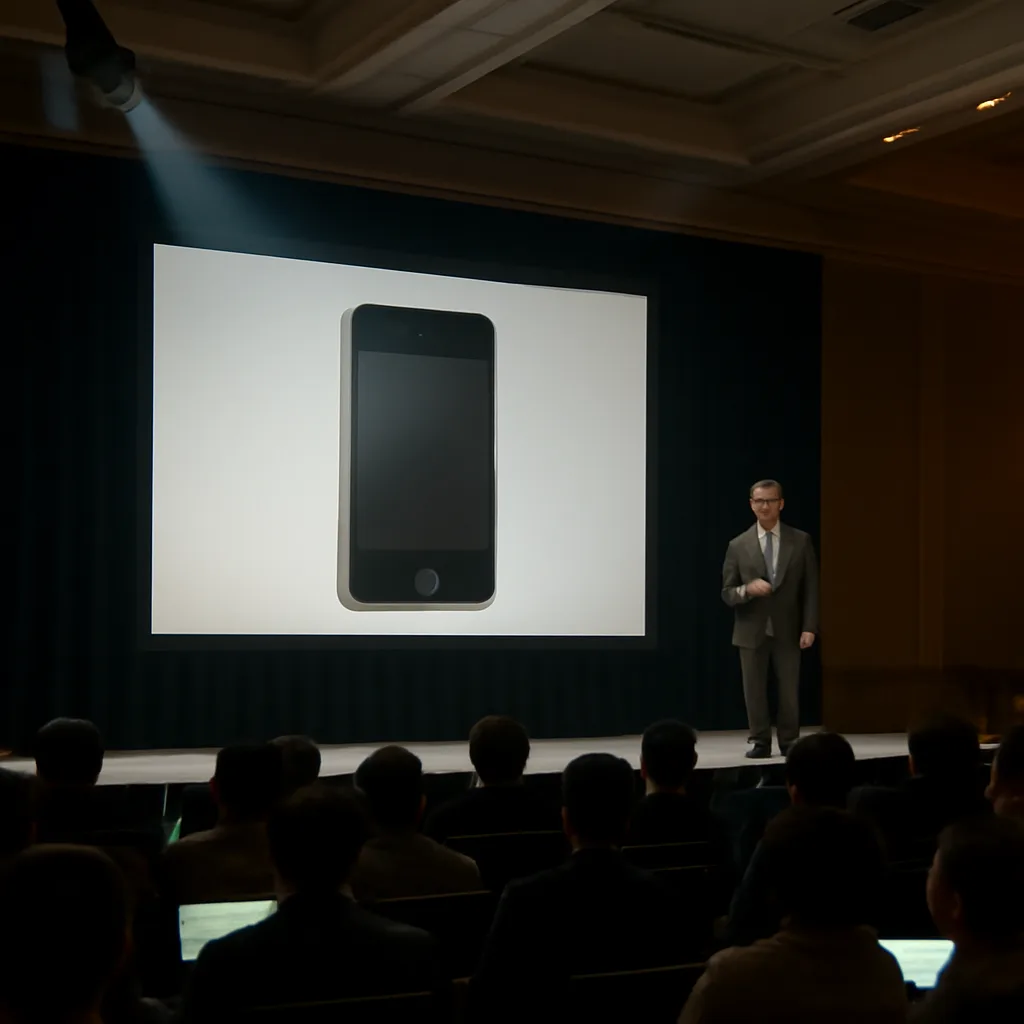
On January 9, 2007, Apple unveiled the first iPhone, a handheld device combining a phone, iPod and internet communicator; its introduction set a new standard for smartphones and spurred rapid changes across the global tech industry.
The original iPhone combined hardware design, a multitouch interface, and a tightly integrated operating system called iPhone OS (later renamed iOS). Physically, it featured a 3.5-inch capacitive touchscreen, a single physical button on the front, and a minimalist industrial design that contrasted with many contemporary phones. Technically, it ran a web browser capable of rendering full web pages, an email client, and media playback. Apple emphasized the device’s software experience and user interface conventions—pinch-to-zoom gestures, scrolling, and direct manipulation—over emphasizing raw specifications.
At launch, the iPhone lacked some features common on other phones—most notably 3G cellular connectivity, third-party native apps, and support for MMS. Instead, Apple initially encouraged developers to build web apps optimized for the iPhone’s browser, later launching the App Store in July 2008 to provide a centralized marketplace for third-party native applications. The App Store model, with curated distribution and a revenue-sharing arrangement, became a major driver of the smartphone economy, creating new markets for mobile developers and services.
The iPhone’s commercial impact unfolded rapidly. The first model was released in the United States on June 29, 2007, and sold over a million units in its initial months. Subsequent hardware revisions, carrier expansions, and software updates broadened its appeal. Competing manufacturers reoriented product strategies toward large touchscreens and app ecosystems; wireless carriers adapted their data plans and network investments to accommodate growing smartphone usage. Beyond hardware and software, the iPhone influenced design aesthetics, user interface conventions, mobile advertising, app-driven business models, and how people access media and services on the go.
Historically, the iPhone built on earlier innovations—touchscreen research, mobile operating systems, and wireless networking—but its influence came from integrating these elements into a consumer-friendly package with strong branding and retail distribution. The device’s success also raised debates on topics such as platform control, app store policies, privacy, and the consolidation of digital marketplaces. These discussions have shaped regulatory and business conversations about competition and user rights in the digital economy.
The January 9, 2007 unveiling is widely cited in histories of computing and mobile technology as a seminal moment that reshaped expectations for personal mobile devices. While the iPhone was not the first smartphone or touchscreen device, its combination of industrial design, interface innovation, software ecosystem, and commercial strategy contributed to a rapid transformation of the global technology landscape in the years that followed.