
← Back
10/28/1919 • 6 views

Prohibition Begins: United States Implements Nationwide Alcohol Ban
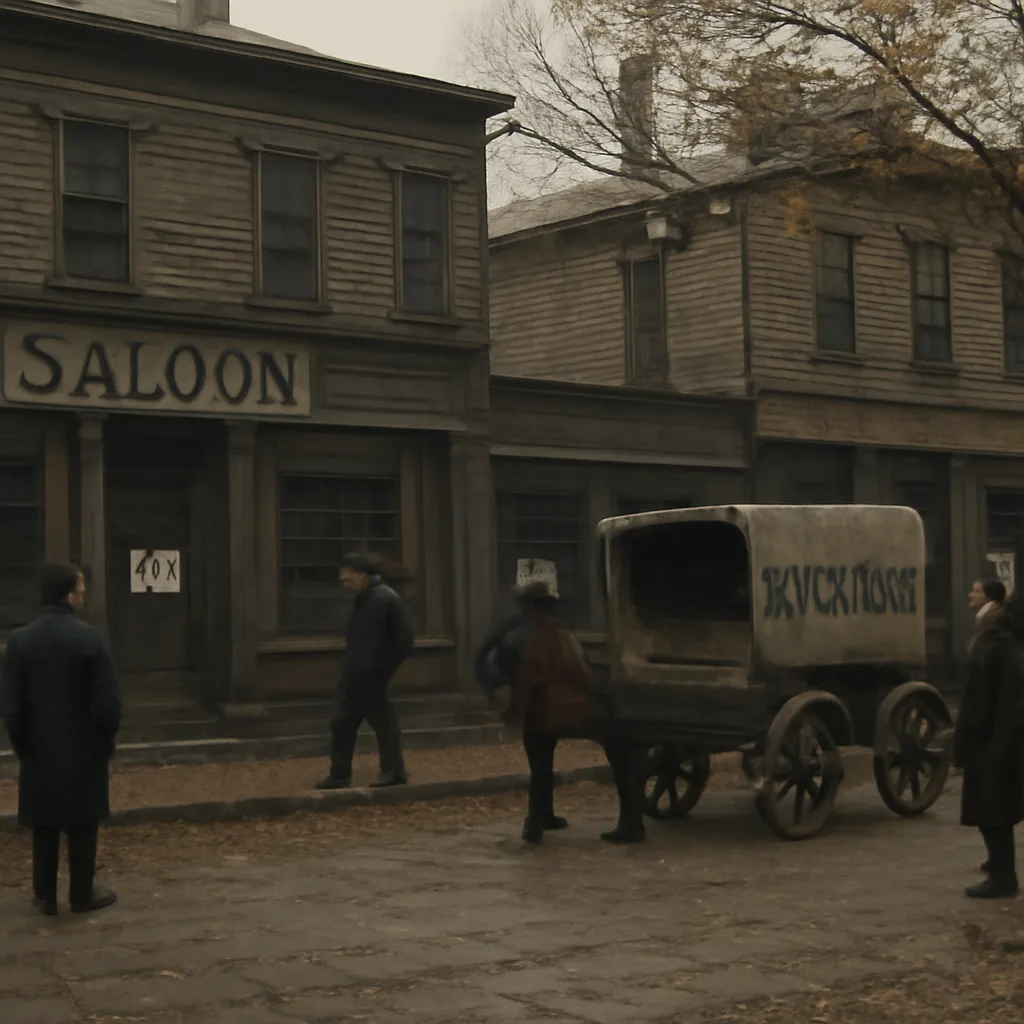
Crowd outside an early 20th-century American saloon and brewery buildings, empty bar counters and closed signage reflecting the start of nationwide alcohol prohibition.

On October 28, 1919, the United States moved to implement nationwide prohibition of alcoholic beverages under the Volstead Act following ratification of the Eighteenth Amendment, ushering in a period of legal ban and widespread social and legal change.


On January 16, 1919, the Eighteenth Amendment to the U.S. Constitution was ratified, enabling Congress to outlaw the manufacture, sale and transportation of "intoxicating liquors." Congress enacted implementing legislation—commonly called the Volstead Act—which defined the scope and enforcement of the ban. Although the amendment’s ratification date is often cited as the pivotal moment, enforcement and federal administration of Prohibition moved forward through 1919; many contemporary reports mark late October 1919 as the moment when the Volstead Act’s provisions began to be broadly enforced nationwide.

Legal and political background

Prohibition grew out of a long temperance movement that argued alcohol was a social ill undermining family life, public morals, and wartime efficiency. The Eighteenth Amendment (proposed by Congress in December 1917 and ratified by the required number of states in early 1919) prohibited the manufacture, sale or transportation of intoxicating liquors, but left details to Congress. The National Prohibition Act (the Volstead Act), passed by Congress in October 1919, defined "intoxicating liquor" and set rules and penalties for enforcement. President Woodrow Wilson vetoed the bill; Congress overrode the veto on October 28, 1919, making the act law.

Scope and exceptions

The Volstead Act banned beverages containing more than 0.5 percent alcohol by volume for beverage purposes, while allowing limited exceptions: industrial, medicinal and sacramental uses were permitted under strict rules and licensing. Private possession and consumption of alcohol produced prior to enforcement were treated differently in various jurisdictions, and several states and localities applied or enforced the law unevenly.

Immediate effects

The new federal law dramatically altered legal commerce in alcoholic beverages. Breweries, distilleries and saloons closed or shifted to other products; some manufacturers produced near-beer (nonalcoholic malt beverages) or diversified into soft drinks and other goods. Enforcement responsibilities fell to federal and local authorities, with limited resources and varying priorities. The legal ban produced an immediate rise in illegal production (moonshining) and distribution (bootlegging), and created demand for illicit supply networks.

Social and economic consequences

Prohibition produced mixed and often contradictory outcomes. Supporters reported reductions in some measures of public drunkenness and alcohol-related hospital cases in certain communities; opponents pointed to job losses in brewing and hospitality industries, diminished tax revenues formerly collected from alcohol sales, and difficulties enforcing the new statutes. The law reshaped nightlife, drinking habits and social rituals: private clubs, medicinal prescriptions for alcohol, religious exemptions and covert establishments emerged to accommodate continuing demand.

Enforcement challenges and criminality

Limited federal manpower, inconsistent local cooperation and evolved criminal enterprises complicated enforcement. Organized crime groups expanded their activities by supplying illegal alcohol, and corruption of some public officials became a widespread complaint. Courts and police struggled with caseloads and legal ambiguities—particularly concerning home production and sacramental or medicinal exceptions.

Legacy and eventual repeal

Prohibition remained the law of the land for more than a decade but proved politically contentious. The social, economic and enforcement difficulties contributed to growing calls for change. The Eighteenth Amendment was ultimately repealed by the Twenty-first Amendment, ratified in December 1933. Historians view Prohibition as a transformative but contested period in U.S. social and legal history: it reshaped industries and social behavior, intensified debates about federal power and morality legislation, and had lasting effects on American law enforcement and organized crime.

Notes on dating and sources

Dates associated with Prohibition include the ratification of the Eighteenth Amendment in January 1919, Congress’s override of President Wilson’s veto of the Volstead Act on October 28, 1919, and the start of nationwide federal enforcement in the period following that legislative action. Contemporary legislative records, newspapers, and scholarly histories provide detailed accounts of these steps and their consequences.

Share this

Email Share on X Facebook Reddit

Did this surprise you?