
← Back
05/02/1948 • 7 views

Attempted Hijacking Foiled on Transcontinental Flight, May 2, 1948
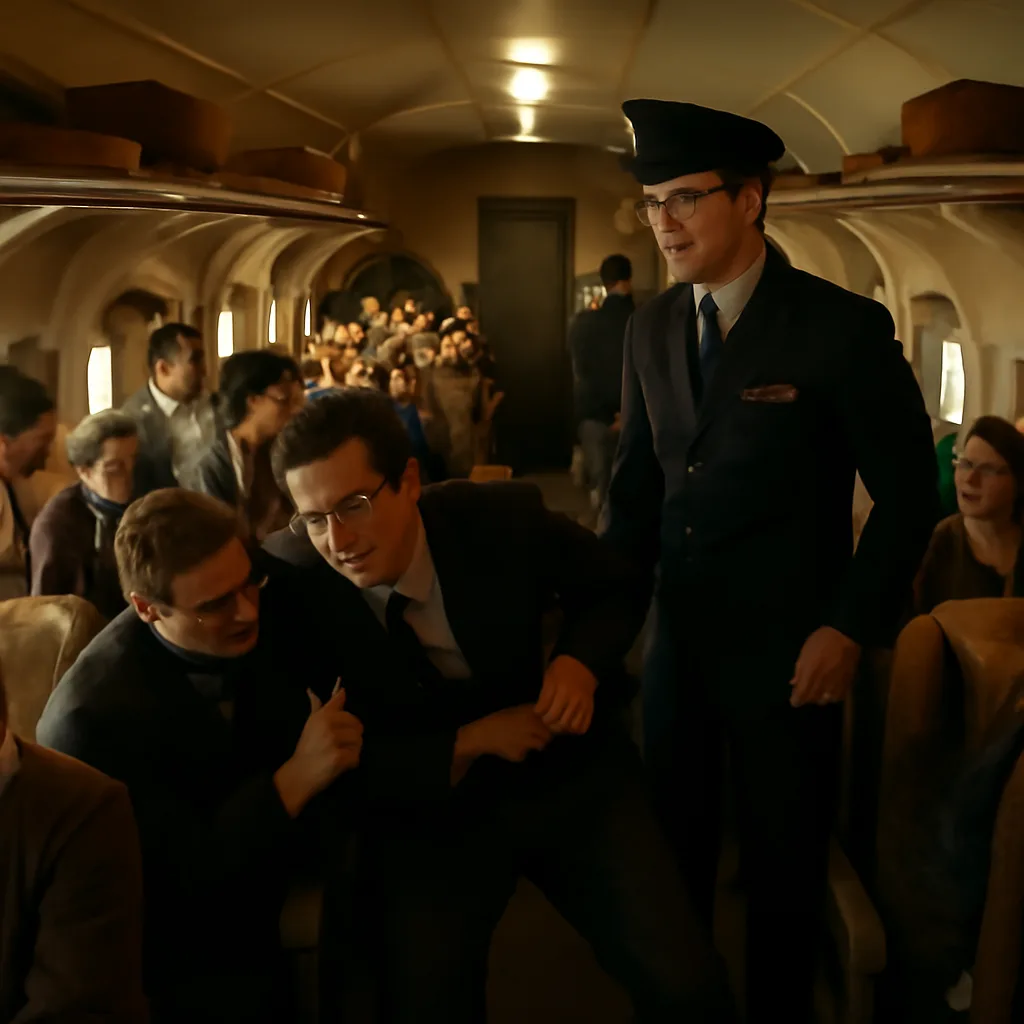
Late 1940s interior of a commercial airliner cabin with passengers and flight attendants in period clothing, showing a restrained passenger on the aisle floor and crew nearby.

On May 2, 1948, a passenger attempted to seize control of a United States commercial airliner but failed after crew and fellow passengers restrained the assailant; the incident is widely cited as the first known attempt to hijack a U.S. commercial aircraft.


On May 2, 1948, an incident often cited as the first attempted hijacking of a commercial airliner in the United States occurred when a passenger tried to seize control of a flight. The flight, operating a domestic route, became the scene of an attempted forcible takeover by an individual who sought to redirect the aircraft. The attempt was unsuccessful: crew members, aided by fellow passengers, subdued and restrained the would-be hijacker until the plane could land and law enforcement take custody.

Contemporary accounts and later historical reviews describe the event as an early example of criminal interference with civil aviation, predating the wave of politically motivated hijackings that emerged in the 1960s. At the time, commercial aviation was expanding rapidly in the postwar period, and cockpit security and anti-hijacking protocols were minimal compared with later decades. Airliners in 1948 commonly carried small crews and operated with relatively open access between cabin and cockpit, which made such incidents possible but still rare.

Details about the May 2 incident are limited and sometimes incomplete in primary reporting. Newspapers of the period reported that the assailant was overpowered and arrested after the plane landed; they noted no fatalities and only minor injuries, if any. Sources emphasize the role of quick action by the flight crew and passengers in preventing the situation from escalating. Because record-keeping and public awareness of aviation security incidents were less systematic in 1948 than in later years, some specific elements—such as the assailant's motives, exact flight number, and the names of crew or passengers involved—are not consistently documented in surviving accounts.

Historians and aviation researchers often refer to this case when tracing the history of aircraft hijacking and the development of security responses. The incident highlighted vulnerabilities on commercial flights and contributed, over time, to discussions about whether additional safeguards were needed. Significant changes to cockpit security, passenger screening, and onboard procedures occurred gradually, driven by a combination of technological advances, regulatory decisions, and the increasing frequency and seriousness of hijackings in subsequent decades.

When evaluating the May 2, 1948 event, it is important to acknowledge uncertainties in the archival record. Some later summaries identify parallel or earlier episodes of onboard violence or attempted diversion in other countries or involving noncommercial flights; scholars distinguish those from this 1948 event because of differences in context or documentation. The 1948 attempt remains notable in U.S. aviation history primarily because it is among the earliest well-reported cases of an attempted seizure of a commercial passenger aircraft on American soil.

In sum, the May 2, 1948 attempted hijacking stands as an early, unsuccessful example of criminal interference with a commercial flight. It resulted in the assailant's subdual and arrest and helped establish a historical baseline for how such threats would later be addressed as civil aviation and security practices evolved.

Share this

Email Share on X Facebook Reddit

Did this surprise you?