
← Back
02/06/2009 • 6 views

Man regains consciousness during his own autopsy, later dies in hospital
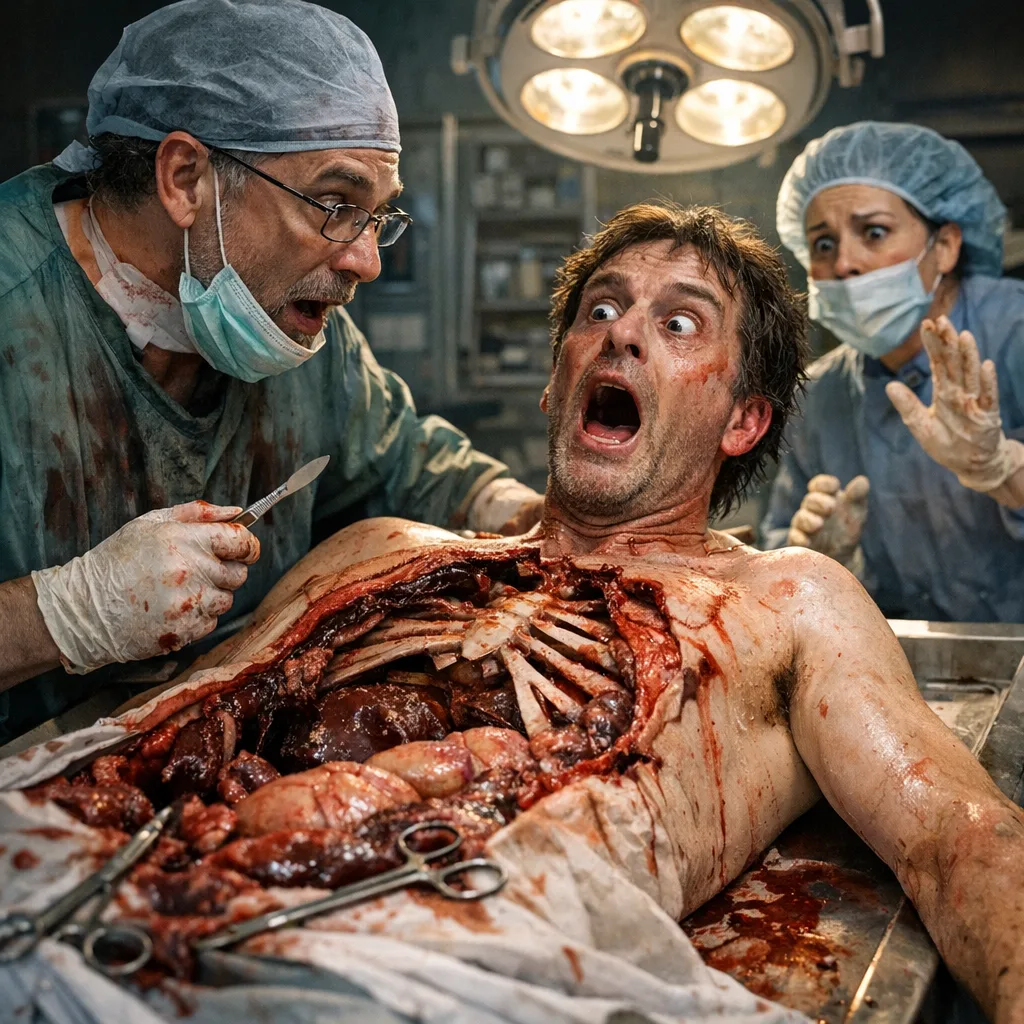
Autopsy room in a public hospital with medical staff stopping a procedure and moving a patient on a gurney; clinical equipment and tiled walls visible, no identifiable faces.

On February 6, 2009, a Brazilian man identified as Marcelo Da Silva (also reported as Marcelo Ribeiro) briefly awoke during an autopsy at a public hospital in São Paulo before lapsing back into unconsciousness; he later died in hospital. The case prompted local investigations and media attention over medical procedures and cause of death.


On February 6, 2009, a man in his 30s was reported to have regained consciousness while undergoing an autopsy at a hospital in São Paulo, Brazil. Brazilian media identified him variously as Marcelo Da Silva or Marcelo Ribeiro; reporting at the time noted uncertainty about his exact identity and age. The event attracted immediate attention because autopsies presume legal death; a person showing signs of life during the procedure raised questions about the circumstances of death and about medical and legal procedures in place at the facility.

According to contemporaneous news reports, hospital staff were preparing or beginning a post-mortem examination when the man began to move and make sounds. Personnel halted the autopsy and emergency measures were taken to resuscitate him. He was transferred from the autopsy table to an operating room or resuscitation area and subsequently to a hospital ward. Despite those efforts, he later died in hospital; reports indicate he did not recover fully after the episode.

Local authorities and hospital administrators launched inquiries into the incident. Media coverage emphasized confusion over the timing of death determination and the steps taken by staff before the autopsy. Some accounts suggested the man had been declared dead after being found unresponsive at home or in the street; other details about his prior condition, any emergency medical response before arrival at the hospital, and the precise timing of the death declaration were inconsistent across sources. There is no conclusive public record establishing whether procedural errors contributed to the initial declaration of death.

Brazilian law and medical practice require that death be determined according to clinical criteria, typically involving the absence of respiration, cardiac activity, and certain neurological signs, or by a physician’s certification. Autopsies are usually performed by pathologists in a controlled setting after death has been certified. Cases in which apparent signs of life are observed during examinations intended for deceased individuals are exceptionally rare and tend to trigger internal reviews and, in some jurisdictions, legal investigations to determine whether negligence or procedural failures occurred.

Contemporary reporting did not produce definitive, independently verified public findings attributing blame, nor did it publish a detailed medical timeline or a final forensic report accessible to international media. Some follow-up coverage focused on the novelty and sensational nature of the event, while official statements emphasized that authorities would investigate. Because primary medical records and formal legal conclusions were not widely released in international outlets, aspects of the case remain disputed or unclear in public reporting, including the precise medical condition that led to the initial death declaration and whether resuscitation attempts might have succeeded had the situation been handled differently.

The incident underlined broader concerns about hospital procedures and the importance of rigorous death certification. It exemplifies how gaps in public documentation and inconsistent reporting can leave unanswered questions in high-profile medical incidents. While the man ultimately died after briefly regaining consciousness, publicly available accounts do not provide a full, verifiable timeline or a final official report that resolves all uncertainties about what went wrong.

Sources for this summary include contemporary Brazilian news reports and later aggregations in international media that covered the unusual incident; those sources vary in detail and in the spelling of the man’s name. Where reporting conflicted or lacked primary documentation, this summary notes uncertainty rather than asserting unverified facts.

Share this

Email Share on X Facebook Reddit

Did this surprise you?