
02/19/1960 • 5 views
Soviet Union Launches First Animal into Orbit
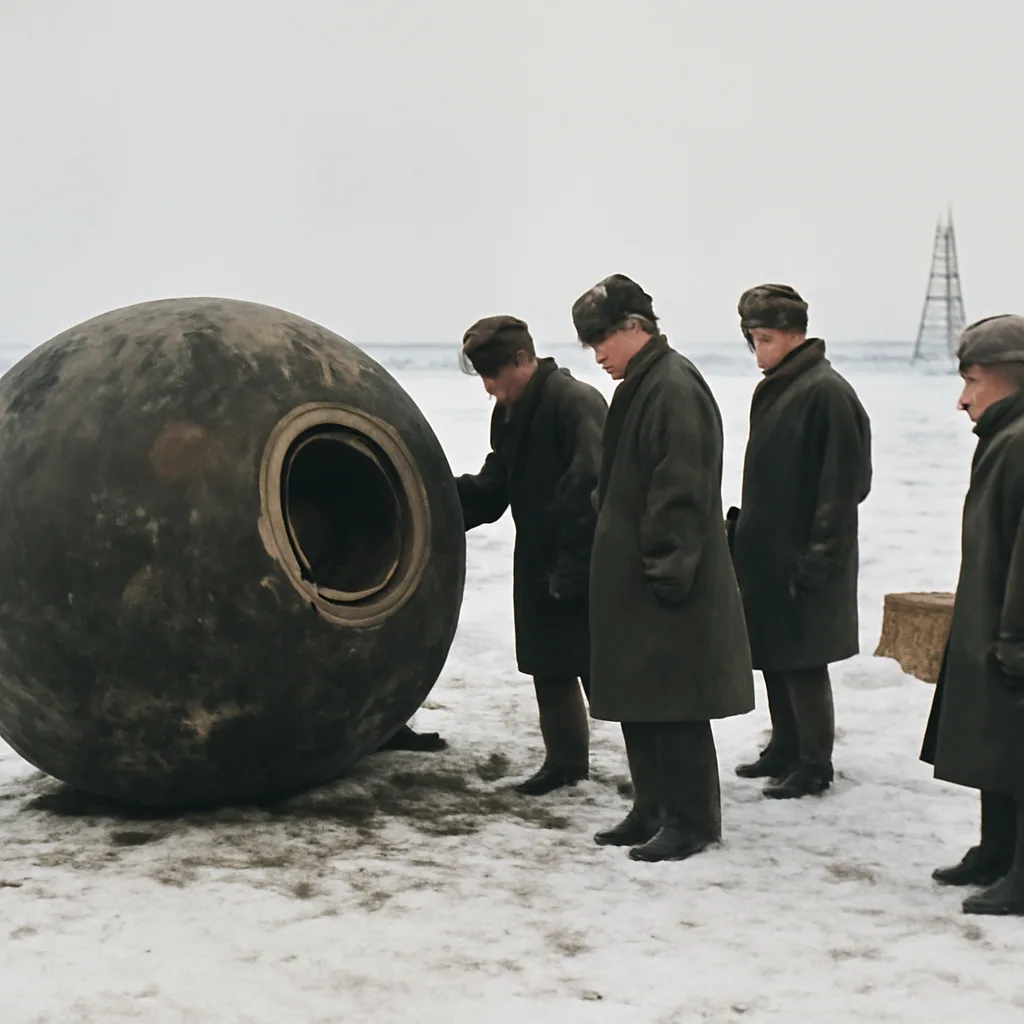
On 19 February 1960 the Soviet space program achieved an early biological milestone when a dog named Zvezdochka was launched into orbit aboard Sputnik 5, marking one of the first instances of a multi-animal orbital flight and advancing understanding of life in space.
Background
From the late 1940s Soviet and American programs used animals to study the effects of acceleration, microgravity and radiation on living organisms. The Soviet program, managed by the OKB-1 design bureau under Sergei Korolev, had launched several suborbital flights with dogs by the mid-1950s and sent the first dog to orbit, Laika, aboard Sputnik 2 in November 1957. Laika’s flight demonstrated that a living creature could survive launch and achieve orbit, but the spacecraft did not carry provisions for reentry and recovery. Subsequent missions aimed to gather more controlled physiological data and to develop procedures for safe return.
The 19 February 1960 flight
The flight commonly associated with 19 February 1960 involved the Sputnik 5 mission (also referred to in some sources as Korabl-Sputnik 2), which carried two dogs—Belka and Strelka—alongside mice, plants, and several other biological specimens. The spacecraft completed a full orbit(s) and reentered, and the recovery of the capsule allowed Soviet scientists to examine the animals and specimens directly. Those animals survived the flight and were reported to be in good health, providing valuable evidence that orbital flight and reentry could be endured and that life-support and recovery systems could function reliably.
Scientific and programmatic significance
Recovered animals allowed researchers to study physiological responses to weightlessness, stress of launch and reentry, and short-term spaceflight effects on tissues and behavior. The successful recovery helped validate technologies and medical protocols that would be essential for human missions. These results fed into preparations for crewed flights that began the following year with Yuri Gagarin’s orbital mission in April 1961.
Historical notes and sources
Contemporary Soviet sources and later archival research identify the flight as a deliberate, instrumented experiment with live animals and biological payloads. The identities of the dogs most widely reported for this mission are Belka and Strelka; other flights in the series used different animals including Laika on Sputnik 2 (1957). Some details in contemporaneous reporting were influenced by Soviet publicity practices of the era; where documentary archives and later scholarship conflict with early press accounts, historians have favored archival records and post-Soviet releases from Russian space archives.
Legacy
The 19 February 1960 mission is remembered as an early demonstration that animals could survive orbital flight and reentry and as a step toward human spaceflight. The publicized survival of the recovered animals captured popular attention and was used in Soviet public diplomacy to highlight technological progress. From a scientific standpoint, the mission yielded physiological data and operational experience that informed subsequent spacecraft design and life-support planning.