
07/18/2016 • 4 views
Man survives lightning strike while using phone during storm
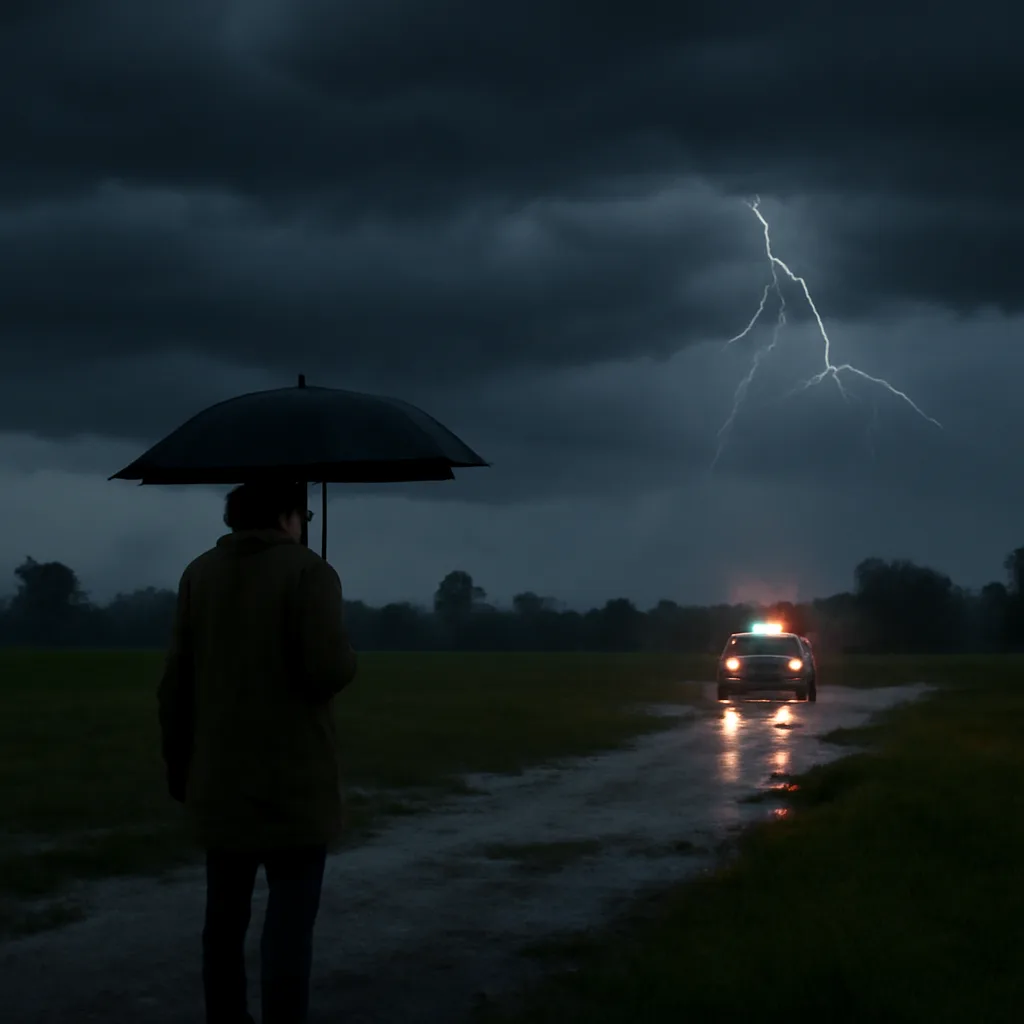
On July 18, 2016, a man was struck by lightning while using his mobile phone during a summer storm. He survived with burns and was treated in hospital; accounts emphasize the rarity but real risk of using electronic devices outdoors in severe weather.
Lightning strikes to people are uncommon but can be severe. Each year worldwide, thousands of people are struck by lightning and a significant minority suffer serious injury or death. Survivors may experience burns where current entered or exited the body, cardiac or respiratory arrest at the time of strike, and later complications such as nerve damage, chronic pain, memory or cognitive issues, and mood or sleep disturbances. Immediate first aid and rapid medical evaluation improve outcomes.
Reports of incidents involving phones during lightning strikes have periodically drawn public attention. Scientific and safety authorities generally advise that while using a battery-powered mobile phone indoors poses no additional lightning risk, being outdoors with any tall conductive object or in exposed locations during a thunderstorm increases risk. Lightning does not have to strike a person directly to cause injury; ground current, side flashes (where lightning jumps from one object to another), and conduction through metal or wet surfaces can also harm bystanders.
Contemporary guidance from meteorological and safety organizations emphasizes avoiding open fields, hilltops, isolated trees, and metal structures during thunderstorms; seeking substantial shelter in a building with wiring and plumbing or an enclosed metal vehicle is recommended. If caught outdoors with no shelter, the advice is to minimize contact with the ground by crouching with feet together and keeping low, but not lying flat. Using a handheld mobile phone outdoors does not inherently attract lightning, but phones can be a conduit if lightning strikes nearby conductive objects or if the user is in contact with metal that provides a path to ground.
News coverage of the July 18 incident noted the rarity of surviving a direct strike and reiterated standard safety advice. Investigations into individual lightning-strike incidents typically rely on emergency responders’ reports, medical records, and eyewitness accounts; such sources can vary in detail, and sometimes reports conflate proximity to electronic devices with causation. In this case, accounts consistently indicate the man was using a phone when struck, but they do not establish that the phone itself attracted the lightning.
The survival and subsequent medical care in this incident underscore both the seriousness of lightning as a hazard and the potential for recovery with prompt treatment. For the public, the enduring message from safety agencies remains to monitor weather forecasts, heed thunderstorm warnings, and move to appropriate shelter well before severe weather arrives.
Note: This summary is based on contemporaneous reporting and general safety guidance related to lightning strikes. Specific medical or investigative records for this individual were not consulted here; if precise clinical details or an official incident report are required, those primary documents should be sought.