
← Back
10/14/1985 • 4 views

1985 European wine poisoning scandal: toxic methanol in adulterated wine
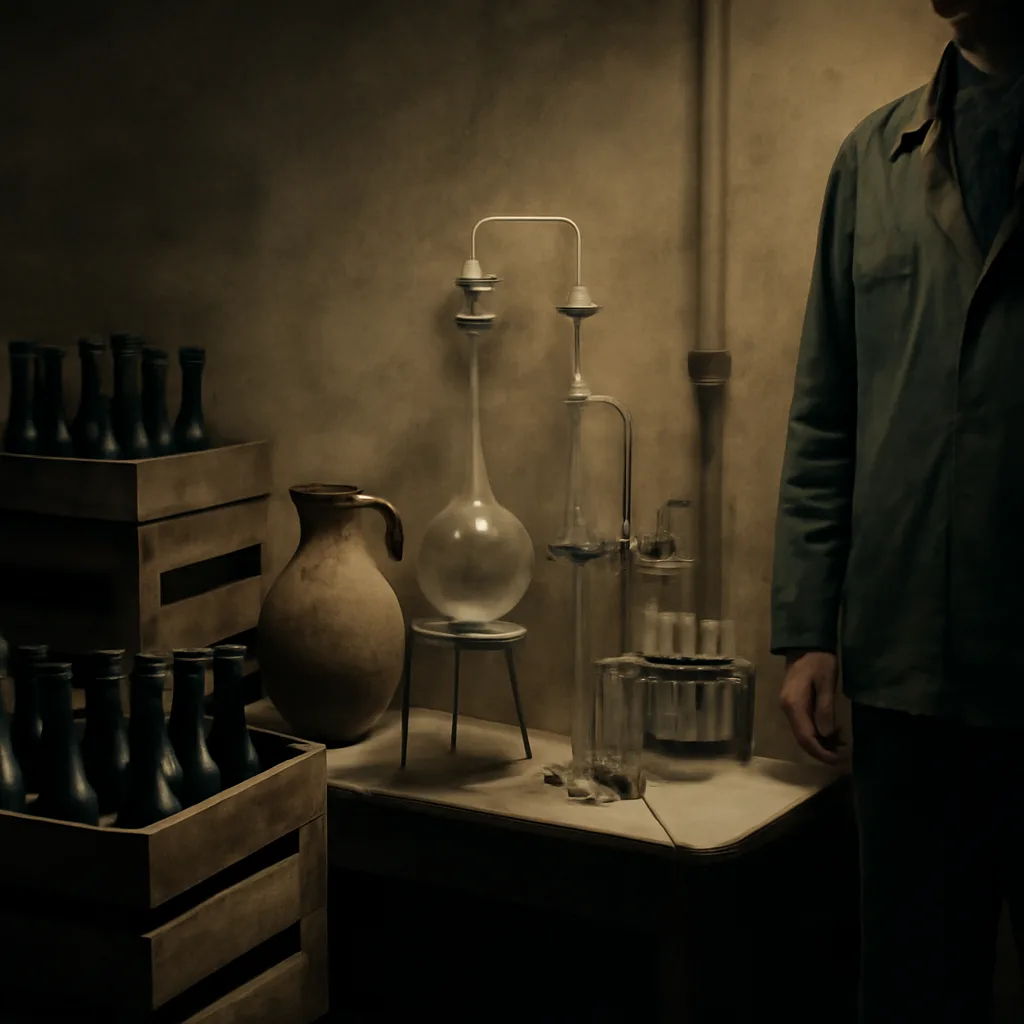
Bottles of inexpensive wine and jugs on a wooden table in a small-scale production setting, with laboratory glassware and a lab report sheet nearby.

In October 1985 a wave of methanol-poisoning cases linked to adulterated wine spread across several European countries, leading to hundreds of deaths and widespread regulatory and public-health responses.


In mid-October 1985 health authorities in several European countries detected a surge of severe poisoning cases—blurred vision, neurological damage and deaths—eventually traced to methanol contamination in alcoholic beverages, predominantly inexpensive wine and distilled spirits. The crisis unfolded most notably in Spain and Austria but affected other countries through cross-border trade and informal distribution networks.

Investigations showed that some producers and distributors had been adulterating alcoholic beverages with industrial methyl alcohol (methanol), a toxic substance sometimes introduced intentionally to increase apparent strength or to stretch product volume. Methanol is metabolized in the body to formaldehyde and formic acid, compounds that cause metabolic acidosis and optic nerve damage; high exposures can be fatal.

The incident revealed weaknesses in production oversight, small-scale illegal distillation, and gaps in cross-border coordination of food-safety enforcement. National authorities responded by closing implicated facilities, seizing suspect products, and issuing recalls and public warnings. Medical facilities were overwhelmed in some areas, and emergency guidance focused on rapid diagnosis and administration of antidotes such as fomepizole or ethanol and supportive care, including hemodialysis for severe cases.

Regulatory and industry reactions included tightened controls on production and distribution, more routine testing for methanol in alcoholic beverages, and improved labeling and traceability measures. The scandal also spurred international cooperation on food-safety incidents and promoted public awareness about the risks of illicitly produced or unusually cheap alcoholic beverages.

Historical accounts vary on exact case counts and the distribution of fatalities among countries; contemporaneous reporting and later summaries cite hundreds of poisonings and multiple dozen to over a hundred deaths in the most strongly affected areas. Because investigations involved multiple jurisdictions and informal markets, some data remained uncertain or disputed.

The 1985 methanol-poisoning episode left lasting effects on European public-health policy and the alcohol industry: it reinforced the importance of laboratory surveillance for toxic contaminants, underscored the need for rapid cross-border information sharing, and prompted legal and administrative measures to deter adulteration. It is remembered as a public-health crisis driven by contamination and illicit practices rather than a failure of mainstream, regulated winemaking.

Share this

Email Share on X Facebook Reddit

Did this surprise you?