
10/14/2016 • 5 views
U.S. Drone Strike Kills Suspected Terrorist Leader
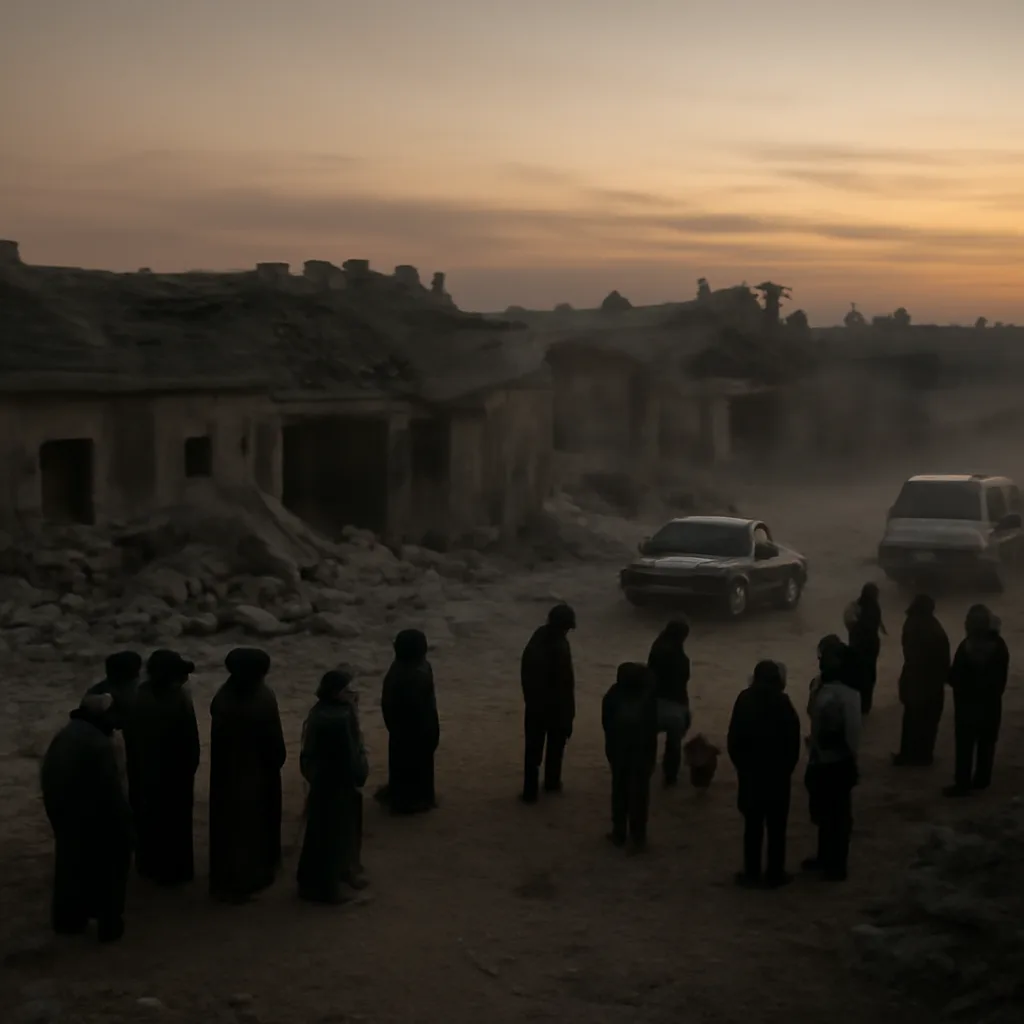
On October 14, 2016, a United States military drone strike targeted and killed a militant leader believed to be directing regional attacks. U.S. officials identified the target as a senior figure in an armed group; local sources reported civilian and militant casualties amid ongoing operations.
U.S. officials stated that intelligence, collected over time from multiple sources, identified the compound as the whereabouts of the militant leader. The strike was carried out by U.S. forces using an armed unmanned aerial vehicle. American statements released after the strike described the operation as precise and intended to minimize civilian harm; they said the target was a key operational planner for attacks in the region. Independent verification of those claims varied: some local journalists and residents confirmed a strike and reported multiple deaths, while other local officials provided differing casualty counts and disputed details about who was present.
The identity of the person killed was reported by U.S. authorities as a senior member of an extremist organization active in the area. International monitoring groups and media outlets cross-referenced public statements and open-source reporting; some later analyses corroborated the presence of the named leader in the area before the strike, while other aspects of the narrative—such as precise casualty figures and whether noncombatants were among the dead—remained contested or unconfirmed.
Drone strikes have been a recurring feature of U.S. counterterrorism policy in the 21st century, employed in several countries where the U.S. has limited conventional troop presence. Proponents argue such strikes can degrade militant command structures with reduced risk to U.S. personnel. Critics raise concerns about transparency, the legal basis for strikes in foreign territories, and civilian harm. In this case, civil-society organizations and local witnesses called for independent investigations into reported civilian casualties and the conduct of the strike; U.S. officials reiterated that investigations occur when credible reports of noncombatant harm arise.
The strike drew responses across diplomatic and regional actors. Some allied governments welcomed the removal of a figure they characterized as a destabilizing actor; others urged careful review of the circumstances and full accountability for any civilian harm. Local communities affected by the strike expressed grief and fear, describing damage to property and disruptions to daily life in the strike area.
Analysts noted that eliminating a senior leader can produce short-term disruption to militant operations but does not always degrade an organization permanently. Leadership decapitation can create succession struggles, local fragmentation, or motivate retaliatory attacks. Security experts cautioned that durable reductions in violence typically require complementary measures—political reconciliation, governance improvements, and economic initiatives—beyond kinetic counterterrorism operations.
As of this report, official confirmation of all details remained incomplete. U.S. authorities released a formal statement identifying the target and asserting the strike’s success; independent investigators and regional reporters continued to seek corroboration of casualty figures and the presence of civilians. The strike on October 14, 2016, remains part of a larger, contested record of U.S. drone operations that are viewed differently by governments, local communities, and international observers depending on their perspectives and access to information.