
← Back
02/09/1945 • 7 views

First Confirmed Case of Human Radiation Experimentation, February 9, 1945
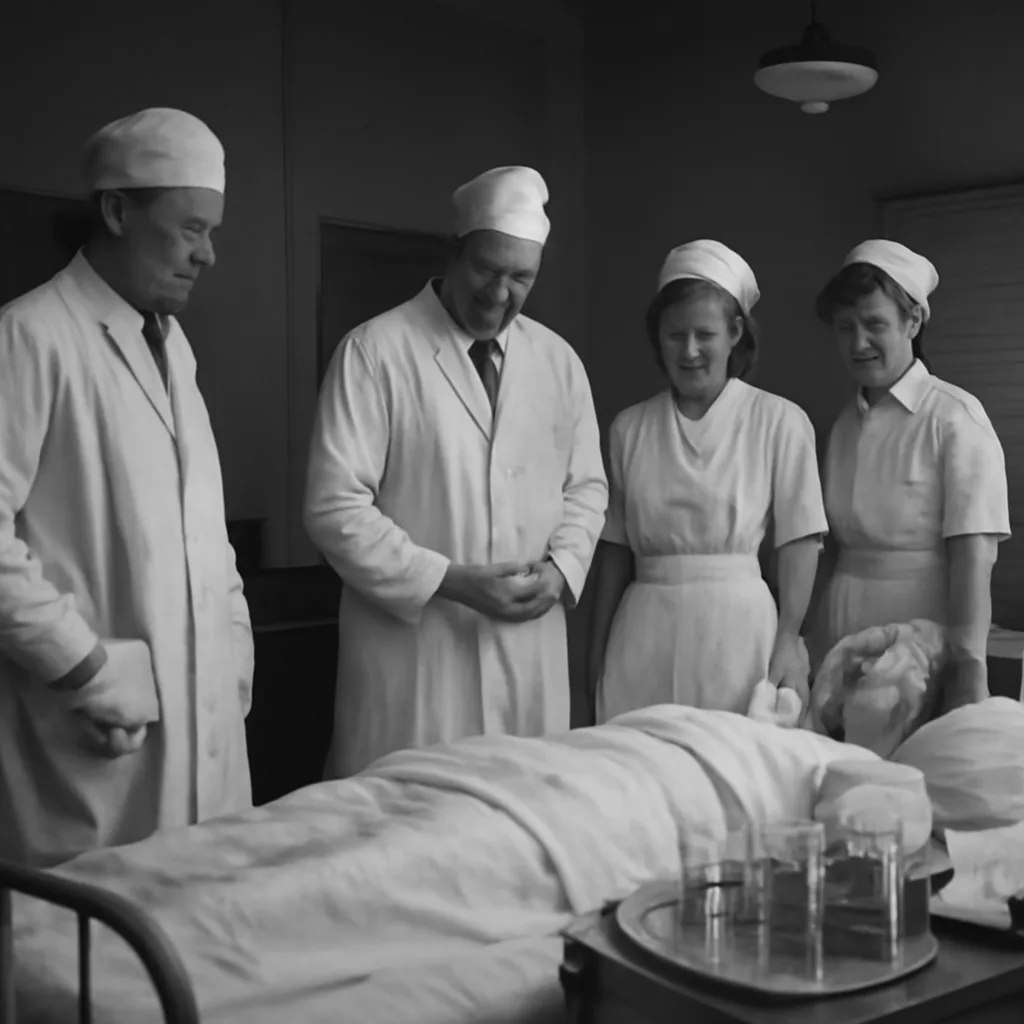
1940s hospital ward with doctors and nurses around a patient on a bed, medical equipment and glass vials on a nearby table, period clothing and furnishings suggesting wartime era research.

On February 9, 1945, physicians at the University of Rochester injected plutonium into patient Albert Stevens (known then as Clarence B. or “Patient CAL-1”), marking the first documented case of deliberate human plutonium exposure in U.S. government-related research.


On February 9, 1945, clinicians working under the Manhattan Project’s medical research program administered a plutonium-containing solution to a patient later identified as Albert Stevens (then anonymized in records as Clarence B. and referenced in some reports as "Patient CAL-1"). This injection—part of a series of secretive wartime studies—represents the first confirmed case in U.S. history of deliberate human exposure to plutonium for experimental purposes.

Context and purpose

During World War II, the Manhattan Project expanded beyond physics to include biomedical research aimed at understanding the health effects of exposure to newly produced radioactive materials. Medical teams sought data to inform safety protocols for workers and military personnel who might come into contact with uranium and plutonium. The injection of plutonium into human subjects was justified by project leaders as necessary to learn how the body retained and metabolized transuranic elements and to develop diagnostic and therapeutic responses.

The subject

Albert Stevens was a hospital patient at the time of the injection. Historical records make clear that hospital staff and project physicians did not fully disclose the nature or risks of the procedure to him or his family; documentation describes the patient as having been treated without informed consent as understood today. Later research revealed that Stevens had been misdiagnosed with terminal cancer, which influenced clinicians’ decisions to include him in the study. Stevens survived for years after the injection—contrary to some early assumptions—and his case became a focal point in later investigations into human radiation experiments.

Documentation and confirmation

The specifics of the February 9 procedure were made public decades later through declassified Manhattan Project files, federal investigations, and scholarly research into wartime human experimentation. Those primary-source documents include medical notes, internal reports, and procurement records for plutonium used in biomedical studies. Subsequent reviews by government panels and historians have treated the Stevens injection as the first confirmed deliberate administration of plutonium to a human in the U.S. context.

Ethical and historical significance

The Stevens case exemplifies the ethical lapses of classified wartime research, including inadequate consent and prioritization of perceived national security needs over individual autonomy. After the war, revelations about secret radiation experiments—both in the United States and elsewhere—contributed to evolving standards in research ethics, including informed consent, institutional review boards, and federal regulations governing human subjects research.

Legacy

Albert Stevens’ case is frequently cited in discussions about government secrecy, medical ethics, and radiation safety. It informed later policy changes and remains an important, well-documented episode in the history of biomedical research. Because the work occurred under wartime secrecy, some details were obscured for decades; historians rely on declassified records and contemporary scholarship to reconstruct the events and their implications.

Notes on sources

This summary is based on declassified Manhattan Project medical records, federal investigative reports, and peer-reviewed historical scholarship that trace the origin and documentation of human plutonium injections during the 1940s. Where documentary gaps or ambiguities remain in the public record, this account notes them rather than asserting uncertain specifics.

Share this

Email Share on X Facebook Reddit

Did this surprise you?