
← Back
02/09/1980 • 6 views

Pentagon Says 1980 Alarm Was an Accidental Nuclear Detonation Scare
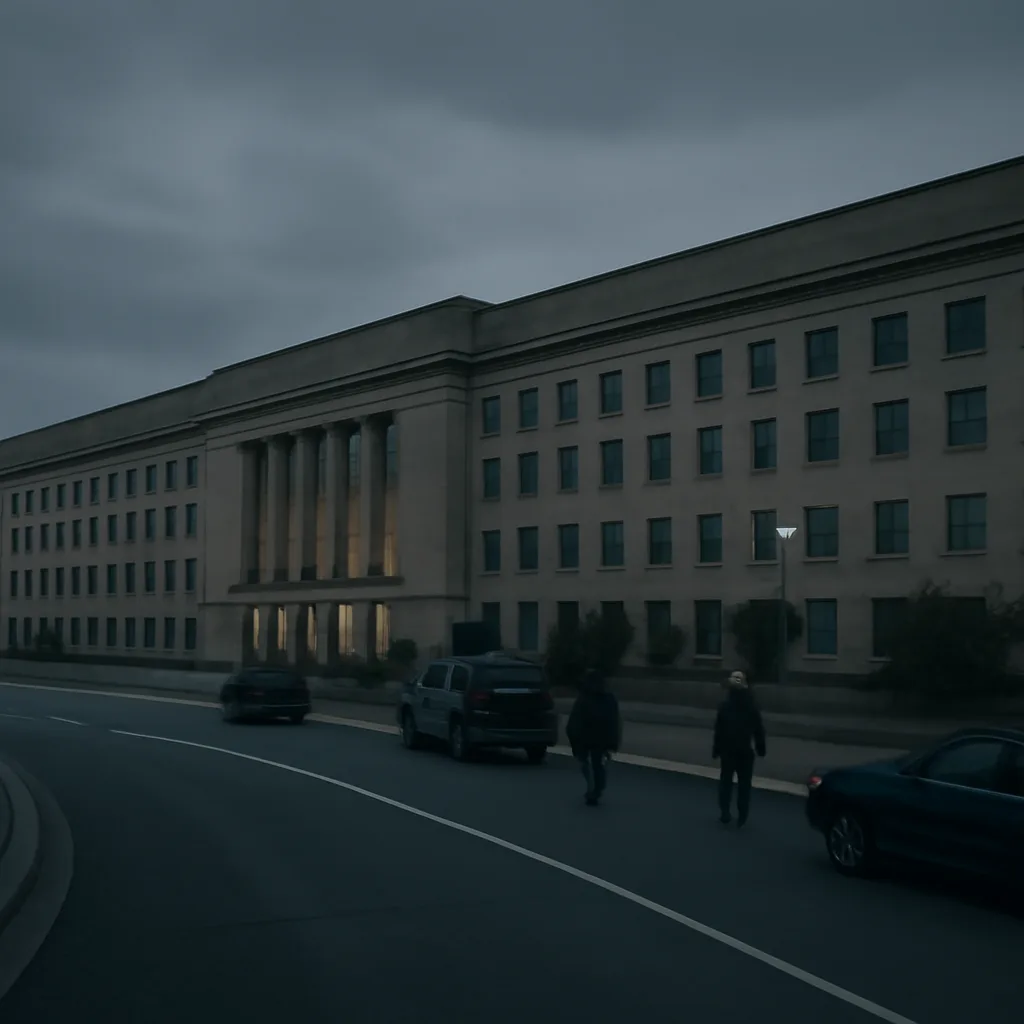
Exterior of the Pentagon building at dusk in 1980, with vehicles and uniformed personnel near an entrance, conveying a tense institutional setting during the Cold War.

On Feb. 9, 1980, the Pentagon confirmed that alarms and urgent responses tied to a suspected nuclear incident were the result of an accidental scare, not an actual detonation; subsequent investigations attributed the episode to equipment and communication failures amid Cold War alert procedures.


On February 9, 1980, US defense officials acknowledged that a high-urgency incident that had prompted alarms and rapid responses within parts of the Pentagon and associated military commands was an accidental scare rather than an actual nuclear detonation. The episode occurred during a period of heightened Cold War vigilance, when protocols for detecting and responding to nuclear events were deeply embedded across military and civilian agencies.

Sequence and immediate response

Reports from that day show that warning indicators—radios, alarms and alert messages used in strategic command and defense monitoring—signaled a possible nuclear event. Personnel followed established procedures for evaluating such signals, which included notification up and down the chain of command and preparing response elements. The rapid activation of alerts led to an urgent flurry of communications among Defense Department offices, regional commands and monitoring centers.

Investigation findings

Pentagon statements and later reviews concluded the incident was a false alarm caused by a combination of equipment malfunction and misinterpreted signals rather than any explosion or weapons release. Investigators examined the hardware and software involved in detection and alerting systems, the message-handling processes, and the human decisions made under compressed time pressures. They found that a technical fault in monitoring equipment produced spurious indicators that were propagated through automated and manual channels, while rushed communications and incomplete cross-checking amplified the initial error.

Context and significance

The scare took place against the backdrop of intense US–Soviet tensions. In that environment, detection systems and command-and-control procedures prioritized rapid identification of possible nuclear events to reduce the chance of a delayed or inadequate response. That imperative, however, also meant that false positives could trigger substantial mobilization and anxiety. The Feb. 9 episode highlighted vulnerabilities in the integration of detection hardware, message-routing protocols and human verification steps.

Policy and procedural changes

Following the incident, defense officials reviewed and revised aspects of monitoring and alert procedures to reduce the risk of similar false alarms. Changes focused on improving equipment maintenance and testing, strengthening message-authentication practices, clarifying verification steps before escalating alerts broadly, and enhancing training for personnel who process high-priority signals. These adjustments were part of wider Cold War-era efforts to tighten command-and-control reliability while maintaining the ability to respond quickly to genuine threats.

Legacy and historical assessment

Historians and defense analysts treating the Feb. 9, 1980 episode point to it as an example of the era’s trade-off between rapid response and the risk of false positives. The event did not result in any detonation or nuclear exchange, and official statements framed it as an accidental alarm amplified by systemic weaknesses. It remains one of several Cold War incidents—alongside other documented false alarms and near-misses—that have informed subsequent reforms in nuclear detection, communications security and crisis management protocols.

Uncertainties and sources

Public accounts rely on Pentagon disclosures and investigative summaries issued after the incident; some operational details remain technical or classified, and precise internal communications are not fully public. Where specifics are disputed or remain undocumented in open sources, summaries note only the general conclusions reported by defense officials and subsequent historical analyses.

Share this

Email Share on X Facebook Reddit

Did this surprise you?