
07/02/1966 • 5 views
France conducts nuclear test in the Pacific on 2 July 1966
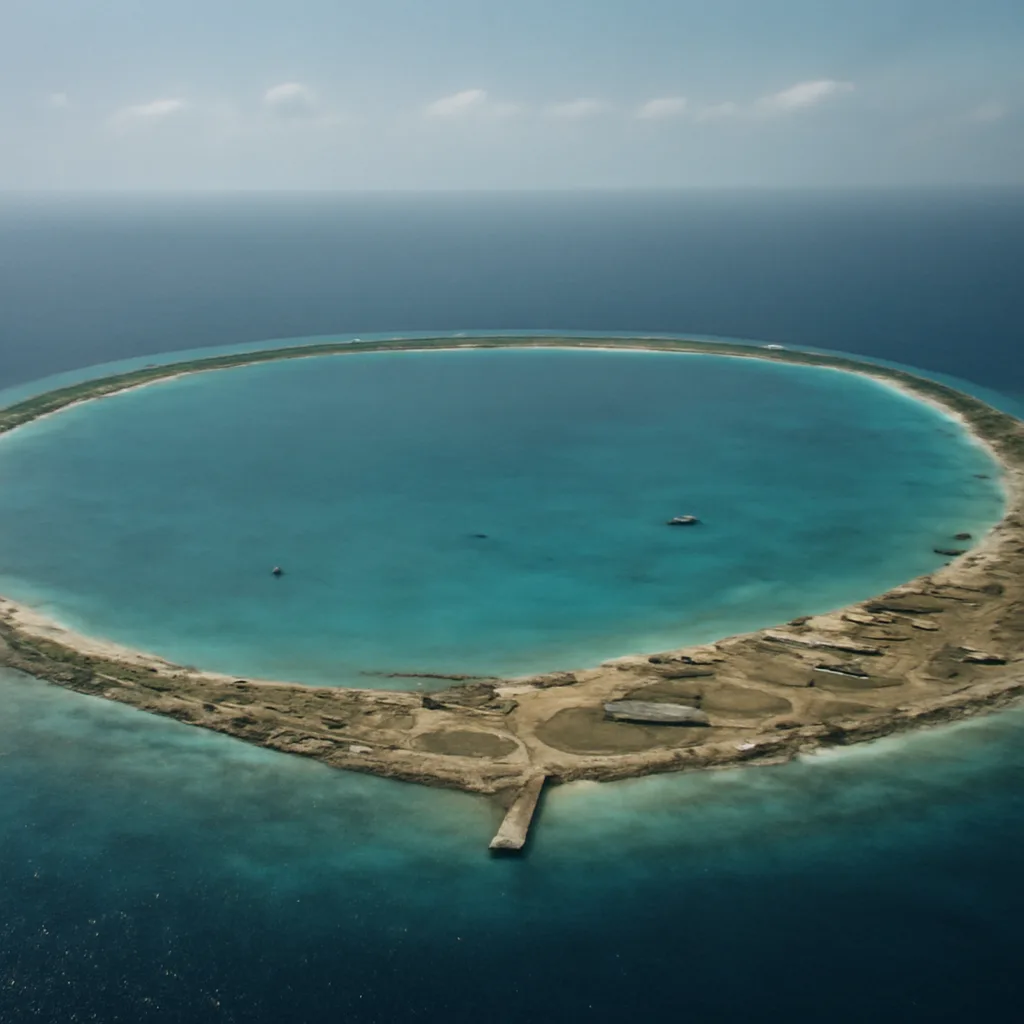
On 2 July 1966 France detonated a nuclear device at its Moruroa Atoll test site in the South Pacific, part of a series of atmospheric and underground tests conducted during the 1960s as Paris developed its independent nuclear deterrent.
Background
France’s nuclear weapons program began after World War II and accelerated under President Charles de Gaulle, who emphasized strategic independence from both the United States and the Soviet Union. After early tests in the Algerian Sahara (the first French nuclear detonation occurred in 1960 at Reggane), France moved testing operations to the South Pacific in 1966. Moruroa and the nearby Fangataufa Atoll were chosen for their remoteness and geographic suitability for weapons experiments.
The 2 July 1966 test
The detonation on 2 July 1966 was among the initial series of Pacific tests conducted by France that year. French authorities described these as essential for weapon development, safety validation, and yield measurement. Tests at Moruroa in the 1960s included both atmospheric detonations and later, after international pressure and changes in French practice, underground tests. Public reporting at the time was limited and framed by national security considerations.
Impact and controversy
France’s Pacific testing program provoked international concern and local opposition. Governments and citizens in the Pacific region, along with anti-nuclear campaigners globally, objected to the environmental and health risks posed by atmospheric nuclear tests. Critics cited radioactive fallout, damage to marine ecosystems, and long-term exposure risks for residents and workers. France’s tests also strained relations with some allied countries and contributed to diplomatic protests and calls for test bans.
Over subsequent decades, former nuclear test sites, including Moruroa, remained a focus of scientific and political scrutiny. Medical and environmental studies sought to assess the health effects on Polynesian populations and the wider ecological consequences. The French government has, at times, acknowledged compensation and health programs for certain groups affected by testing, though debates over adequacy and responsibility have persisted.
Legacy
France continued nuclear testing in the Pacific until the 1990s, when international norms and domestic decisions led to the end of its atmospheric and later underground tests. In 1996 France signed the Comprehensive Nuclear-Test-Ban Treaty (CTBT) and subsequently dismantled testing infrastructure. The Moruroa site remains a symbol of the era of national nuclear programs and of ongoing discussions about colonial-era decision-making, environmental remediation, and veteran and civilian health claims.
Historical record and sources
Accounts of the July 1966 test appear in contemporary news reports, declassified government records, academic studies of nuclear testing, and investigations by non-governmental organizations. Specific technical details (such as exact yield or device design) were typically treated as classified at the time; in later years, some information has been released or assessed by researchers. Where details remain disputed or incompletely declassified, historians note uncertainties rather than asserting unverified specifics.