
← Back
02/07/1975 • 4 views

Local cricket match halted when swarm of bees overruns pitch
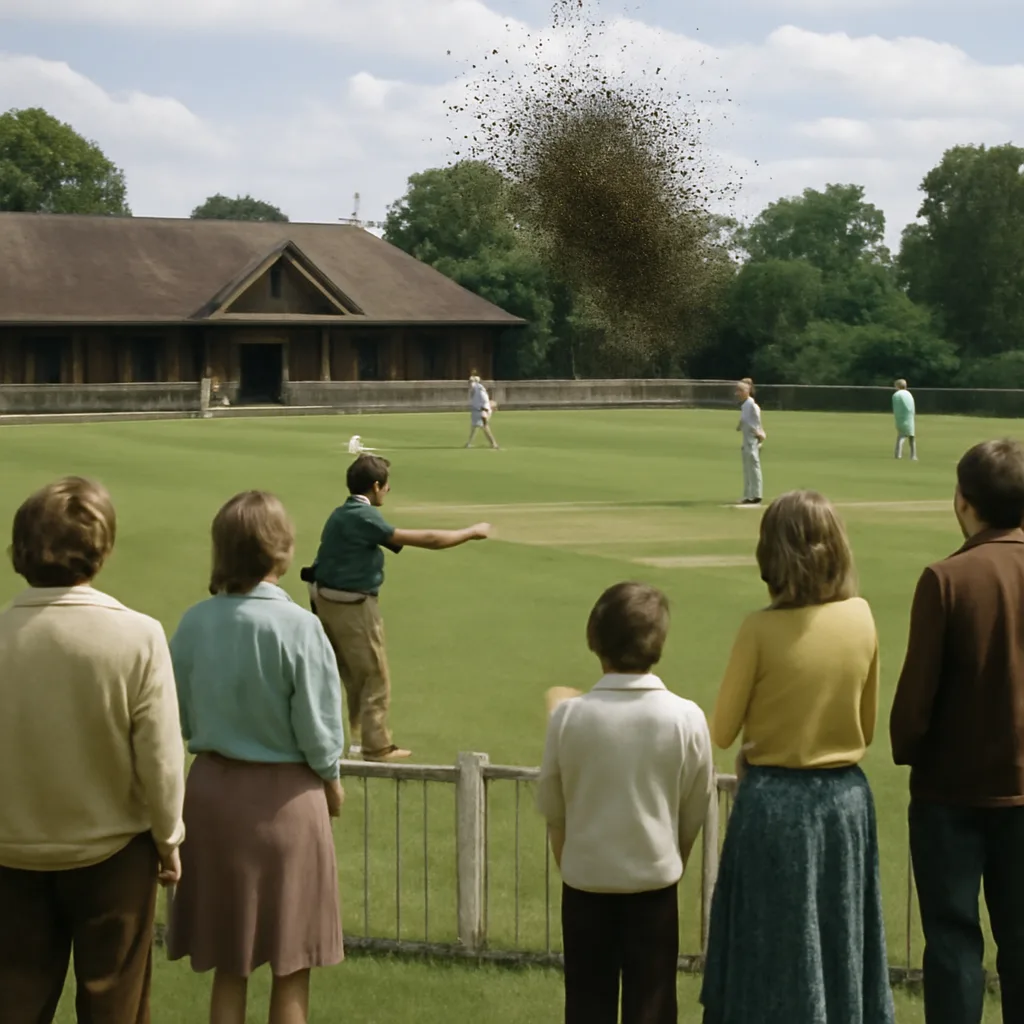
A grass cricket pitch bordered by spectators and a low pavilion, with people standing back from the boundary as a dense cluster of bees gathers over part of the outfield.

A scheduled cricket match on February 7, 1975, was abandoned after a large swarm of bees descended on the playing field, making conditions unsafe for players and spectators. Officials cleared the ground and postponed play until the insects dispersed.


On February 7, 1975, a cricket fixture was interrupted and ultimately abandoned when a significant swarm of bees invaded the playing field. The incident occurred during warm-weather conditions that can prompt bees to swarm — a natural behavior when a colony splits and a group of worker bees and a queen leave the hive in search of a new nest site. Exact details about the match—such as the teams involved, venue, and level of competition—vary in contemporary accounts and are not consistently recorded in surviving reports.

Witnesses at the scene described heavy bee activity that quickly made play unsafe. Players and umpires withdrew from the pitch while groundstaff and officials attempted to clear spectators from the boundary. Standard public-safety responses to such occurrences in the 1970s focused on removing people from the immediate area and waiting for the swarm to settle or move on; organized, large-scale bee removal by professional apiarists was less common at many sporting grounds than it is today.

The abandonment of the match reflected practical concerns: batsmen and fielders exposed on the open grass are vulnerable to stings, and bees clustered near the wicket or sight screens can cause sudden, panicked movements that risk injury. Organizers reportedly prioritized spectator safety and the wellbeing of the players, opting to call off play rather than resume under hazardous conditions.

Accounts from the period note that the swarm dispersed after some time, as swarms often do when scout bees find a suitable nearby roosting site or when weather conditions change. Because contemporary reporting did not always include follow-up details, records do not clearly indicate whether the match was later replayed, continued on a reserve date, or declared abandoned for the purposes of competition standings.

Incidents of bees disrupting outdoor sporting events are uncommon but not unprecedented. Beekeepers and groundskeepers today are more likely to coordinate rapid removal of swarms, but in 1975 many venues relied on temporary suspension of activity until the insects left of their own accord. The episode is an example of how natural phenomena can intrude on organized sport, and it underscores the logistical and safety challenges that officials must weigh when unexpected hazards arise.

Because contemporary sources differ in the level of detail provided and some records from local fixtures of the era are incomplete, certain specifics about this February 7 event remain unclear. The central, verifiable facts are that a bee swarm entered the playing area, play was halted for safety reasons, and the match was abandoned as a result.

Share this

Email Share on X Facebook Reddit

Did this surprise you?