
← Back
02/07/2002 • 5 views

First Confirmed Case of Cloning Fraud Exposed in 2002
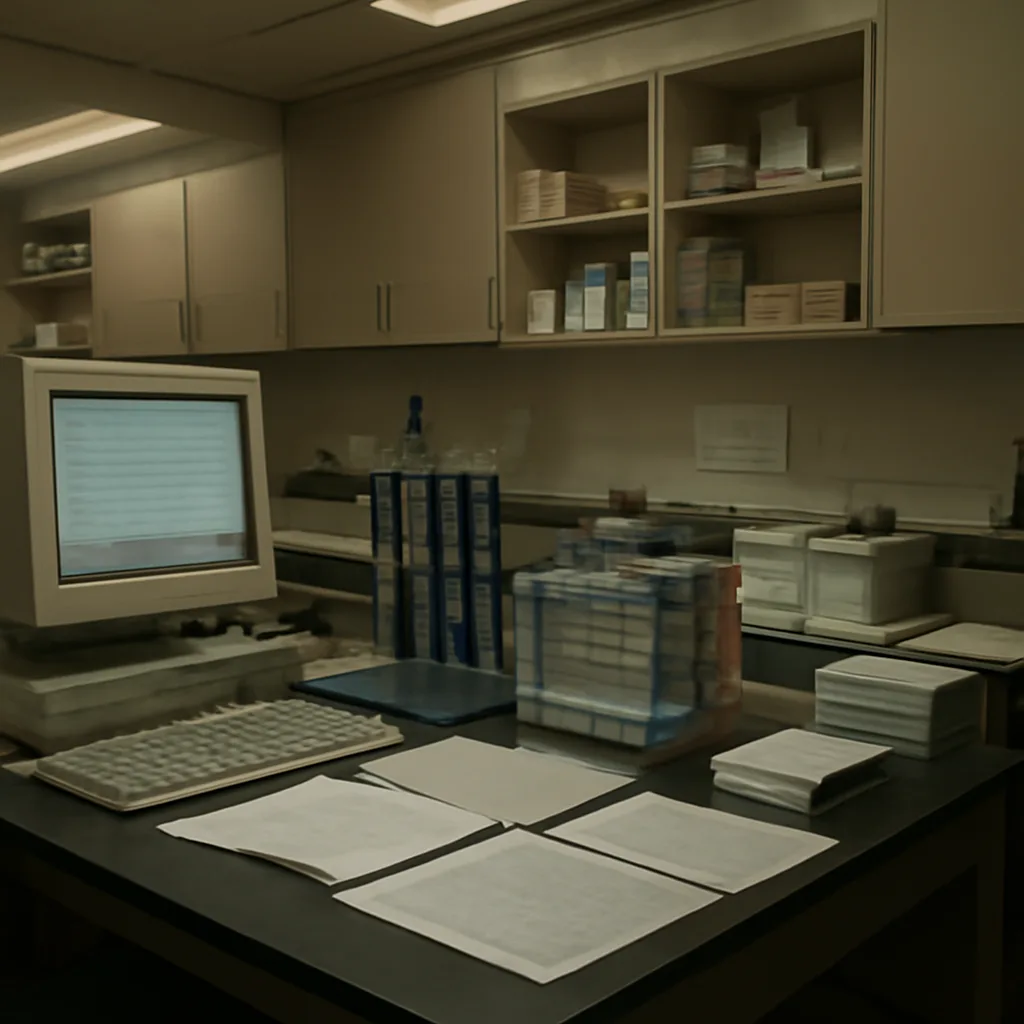
Laboratory bench with sequencing equipment, gel electrophoresis apparatus, and stacks of scientific papers, representing investigation into genetic sequence data in early 2000s research.

On February 7, 2002, investigators publicly confirmed that sequences and claims from a high-profile human cloning announcement were fraudulent, marking the first widely accepted exposure of cloning-related scientific fraud.


On February 7, 2002, the scientific and media communities converged on a confirmation: a widely publicized claim related to human cloning was fraudulent. The episode culminated in official findings that sequences and representations associated with the claim were not authentic, and it became a defining early-21st-century instance of fraud in the field of cloning research.

Background

In the late 1990s and early 2000s, cloning—particularly the possibility of human cloning—was a subject of intense scientific interest, media attention, and public controversy. High-profile milestones such as the 1996 birth of Dolly the sheep demonstrated that mammalian somatic cell nuclear transfer could produce viable animals, and this spurred both legitimate research and sensational claims. The tense mix of hope, hype, and competition created an environment where unverified or falsified reports could gain rapid attention.

The exposure

Investigations culminating on February 7, 2002, established that at least one set of published sequences and associated claims tied to human cloning efforts could not be validated. Laboratory data and sequence records were scrutinized by independent scientists and institutional reviewers. These reviews found inconsistencies between reported experimental results and underlying data; some sequences were shown to match previously published material in ways inconsistent with the claims. The outcome was a public acknowledgment by investigators and, in some cases, by journals or institutions, that the claims lacked credible supporting evidence and were therefore fraudulent.

Significance

This case is notable as one of the earliest widely accepted exposures of cloning-related scientific fraud in the post‑Dolly era. It illustrated how quickly unverified claims could spread in a charged public atmosphere and highlighted the importance of independent replication, transparent data sharing, and rigorous peer review in fields with major ethical and societal implications. The incident reinforced calls for stricter oversight of high-profile biological claims and improved mechanisms for detecting data irregularities.

Aftermath and lessons

Following the exposure, scientific institutions and journals involved reviewed procedures for verifying extraordinary claims, including enhanced scrutiny of sequence data and more rigorous requirements for raw data availability. The episode also contributed to wider public and policy debates about the regulation of cloning research and the responsibilities of scientists and publishers when handling claims with profound ethical consequences.

Limitations and historical context

Details about specific individuals, institutions, and documents vary across contemporary reports and later analyses. Because inquiries into scientific misconduct can involve confidential institutional processes, some records remain private or partially redacted. Historians and journalists rely on public statements, retractions, investigation summaries, and contemporaneous reporting to reconstruct events; where records are incomplete, interpretations differ. What is clear, however, is that by February 7, 2002, investigators had publicly identified fraudulent elements in a prominent cloning claim, making it a landmark case in discussions of research integrity in cloning and genetics.

Share this

Email Share on X Facebook Reddit

Did this surprise you?