
← Back
04/19/1986 • 5 views

Man Survives 36 Hours Buried Alive After 1986 Ukrainian Reactor Disaster
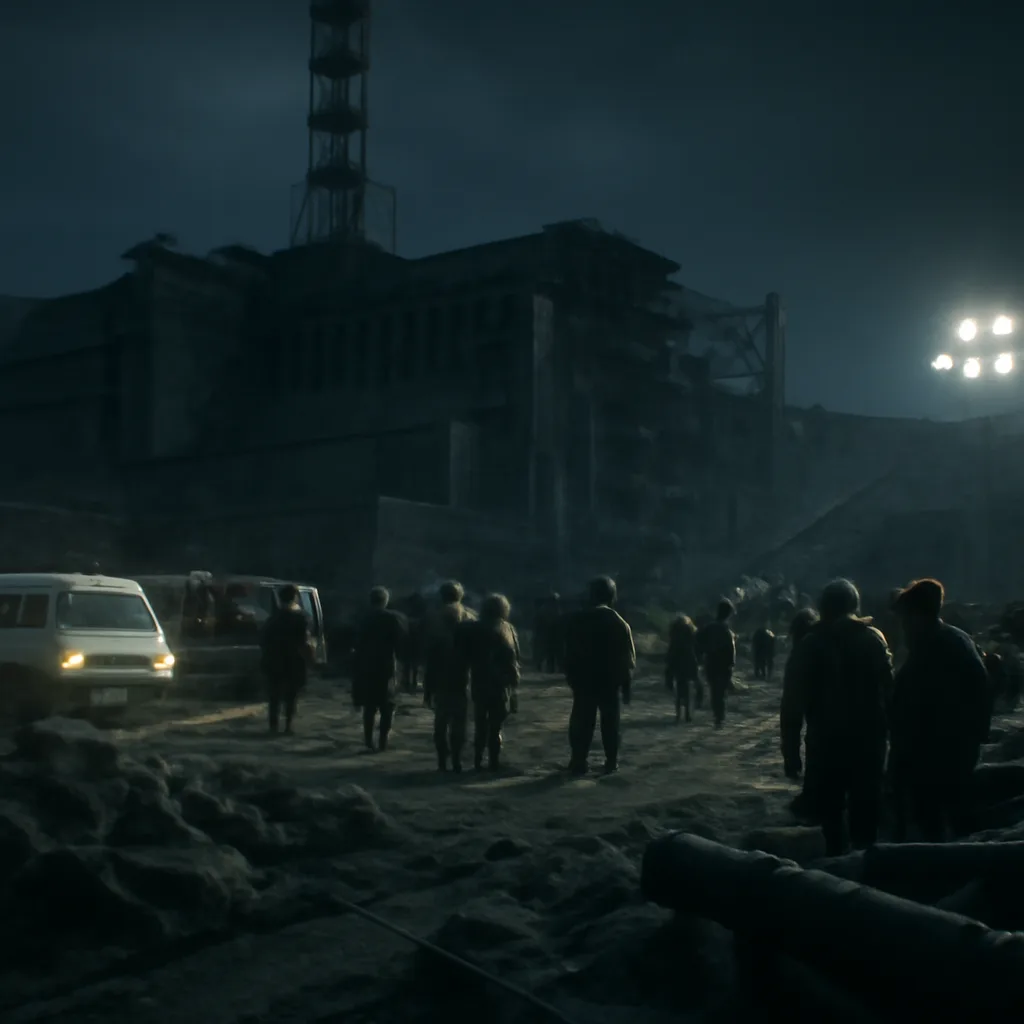
Nighttime scene at the Chernobyl plant compound in April 1986: damaged industrial buildings, emergency vehicles and workers in protective clothing under floodlights; debris and makeshift barriers in foreground.

A worker from the Chernobyl nuclear plant was mistakenly buried alive during emergency operations after the April 1986 disaster and was rescued alive roughly 36 hours later; accounts of the incident vary and details remain limited in public records.


On April 26, 1986, the explosion and fire at Reactor 4 of the Chernobyl Nuclear Power Plant in the Ukrainian Soviet Socialist Republic created an unprecedented emergency. In the chaotic response that followed, rescue and cleanup operations involved thousands of plant workers, firefighters and military personnel working under hazardous conditions, including radioactive contamination, collapsing infrastructure and poor coordination.

One account associated with the early aftermath describes a man who was buried alive for around 36 hours and later survived. This narrative appears in several secondary reports and memoirs recounting the disorderly evacuation and salvage work in the plant vicinity. According to those accounts, structural collapse, rapid makeshift burials, or being trapped under debris during nighttime shifts contributed to the man being presumed dead and entombed before rescuers later discovered he was alive.

Documentary and scholarly sources on Chernobyl emphasize that many individual stories from the immediate response remain incomplete, inconsistently recorded or anecdotal. The Soviet government's initial secrecy and the chaotic conditions limited contemporaneous documentation, and later memoirs and journalistic reconstructions sometimes conflict on particulars such as exact timing, identities and the precise circumstances of incidents like this one. As a result, while the broad claim—that at least one person survived being buried alive for an extended period during the Chernobyl emergency—is supported by multiple accounts, specific factual details (the man’s name, exact burial location, medical records, and the identities of rescuers) are either contested or not publicly verifiable.

Medically, surviving roughly 36 hours under debris is plausible if the victim had an air pocket, was not subjected to crushing injuries that caused fatal internal damage, and received prompt medical attention after being uncovered. Survivors of entombment or collapse typically face risks from asphyxia, crush syndrome, hypothermia and infections; in the Chernobyl context these risks were compounded by radiation exposure, though available accounts do not provide consistent data on this individual’s radiation dose or long-term health outcomes.

The event fits into the larger documented pattern of perilous work during the Chernobyl cleanup—where firefighters, plant personnel and later so-called “liquidators” undertook hazardous tasks with incomplete information. Many personal stories from that period surfaced only years later in memoirs, oral histories and investigative journalism. Researchers caution that such retrospective narratives, while valuable, require careful cross-referencing with archival materials and medical records when available.

In sum, multiple post-disaster sources recount that a man involved in the Chernobyl response was buried and later found alive after roughly 36 hours. However, due to limited contemporaneous records and conflicting later accounts, several specifics about the incident remain uncertain or unverified in publicly accessible documentation.

Share this

Email Share on X Facebook Reddit

Did this surprise you?