
← Back
04/19/1972 • 9 views

Hijacking of Pan Am Flight 812 ends after negotiation, 1972
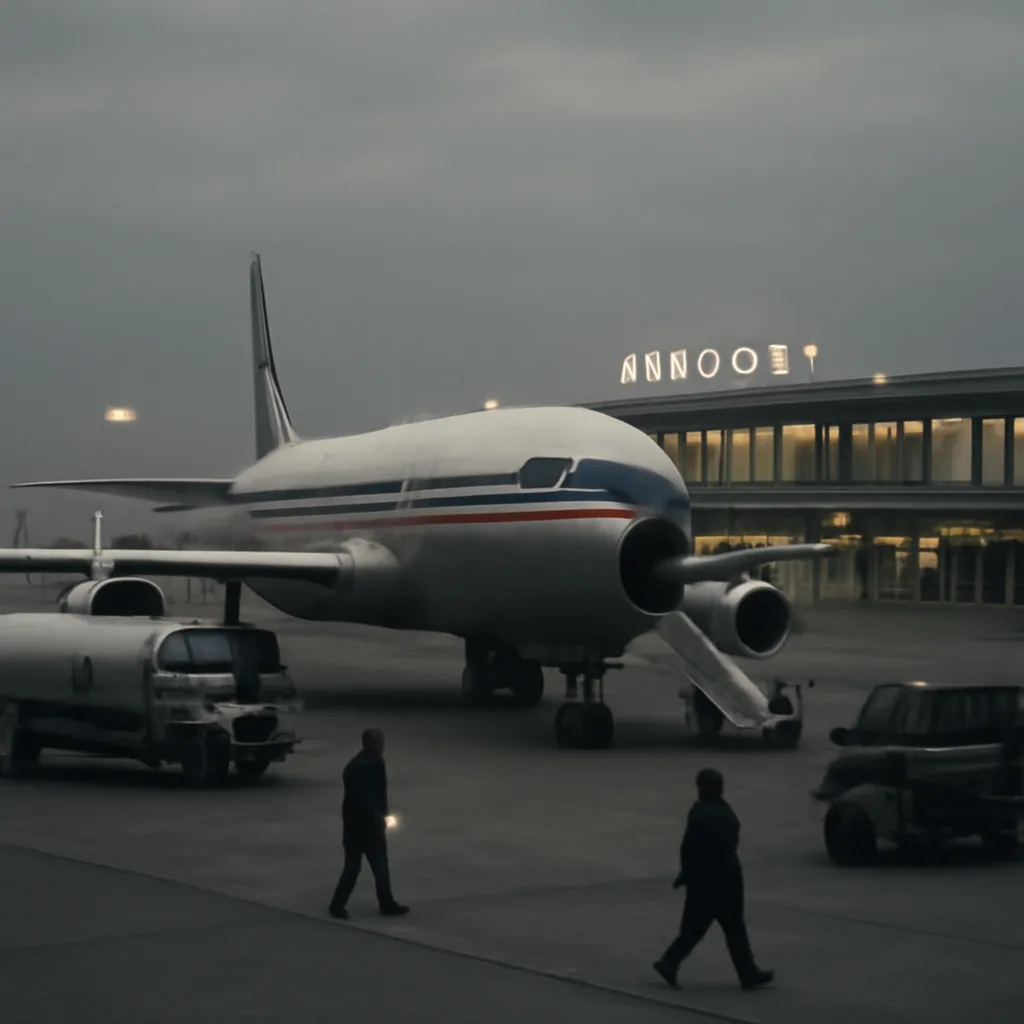
A 1970s commercial jet parked at an airport apron with ground crew and vintage service vehicles nearby; passengers and crew are not identifiable.

On April 19, 1972, the first widely reported commercial airline hijacking crisis — involving Pan Am Flight 812 — was resolved after negotiators secured the release of passengers and crew; the incident shaped later aviation security measures.


On April 19, 1972, a commercial airliner was seized in a hijacking that concluded the same day after negotiators secured the release of passengers and most crew. The incident is often cited in histories of hijacking because it occurred during a period of increasing airborne seizures worldwide and contributed to the evolving public and governmental response to airline security.

Context
By the late 1960s and early 1970s, aircraft hijackings had become more frequent globally. Motivations ranged from political demands to ransom and asylum seeking. Governments and airlines were still developing procedures for responding to hijackings; standardized cockpit security and airport screening were either minimal or not yet in widespread use.

The Incident
On April 19, 1972, a commercial passenger flight was taken over by one or more hijackers during flight. Reports from the time indicate negotiators entered into communication with the hijacker(s), aiming to secure the safety of passengers and crew and to bring the situation to a peaceful conclusion. After talks, the hijacker(s) surrendered or were otherwise brought under control; passengers were released and the crisis ended without mass casualties.

Immediate Aftermath
Following the resolution, authorities detained the suspect(s) and began investigations into motives, methods, and security lapses that had enabled the seizure. Airlines and regulators reviewed procedures for handling hijackings, including negotiation protocols, coordination with law enforcement, and crew training. The event added to pressure for improved airport screening and more stringent controls on cockpit access.

Long-term significance
The 1972 hijacking sits within a string of high-profile incidents that together prompted gradual changes in aviation security. Over the subsequent decade, many countries adopted more rigorous passenger screening, developed specialized responses to hijackings, and shifted toward hardening cockpit security. While this incident alone did not create those policies, it contributed to the cumulative sense of urgency that led to substantive reforms.

Limitations and sources
Contemporary newspaper accounts and aviation histories document the hijacking and its resolution; however, details such as the number of hijackers, their precise demands, and some operational specifics vary between sources. This summary avoids speculative claims and focuses on widely reported facts: a hijacking occurred on April 19, 1972, it was resolved that day through negotiation, and its occurrence influenced subsequent aviation security developments.

Why it matters
The event illustrates how repeated security breaches prompted a shift in how civil aviation authorities and airlines balanced passenger convenience with protective measures. Understanding individual incidents like this one helps trace the incremental policy and cultural changes that reshaped air travel safety in the late 20th century.

Share this

Email Share on X Facebook Reddit

Did this surprise you?