
← Back
01/06/2003 • 7 views

2003 Hoax Claims First Human Clone, Sparks Global Reaction
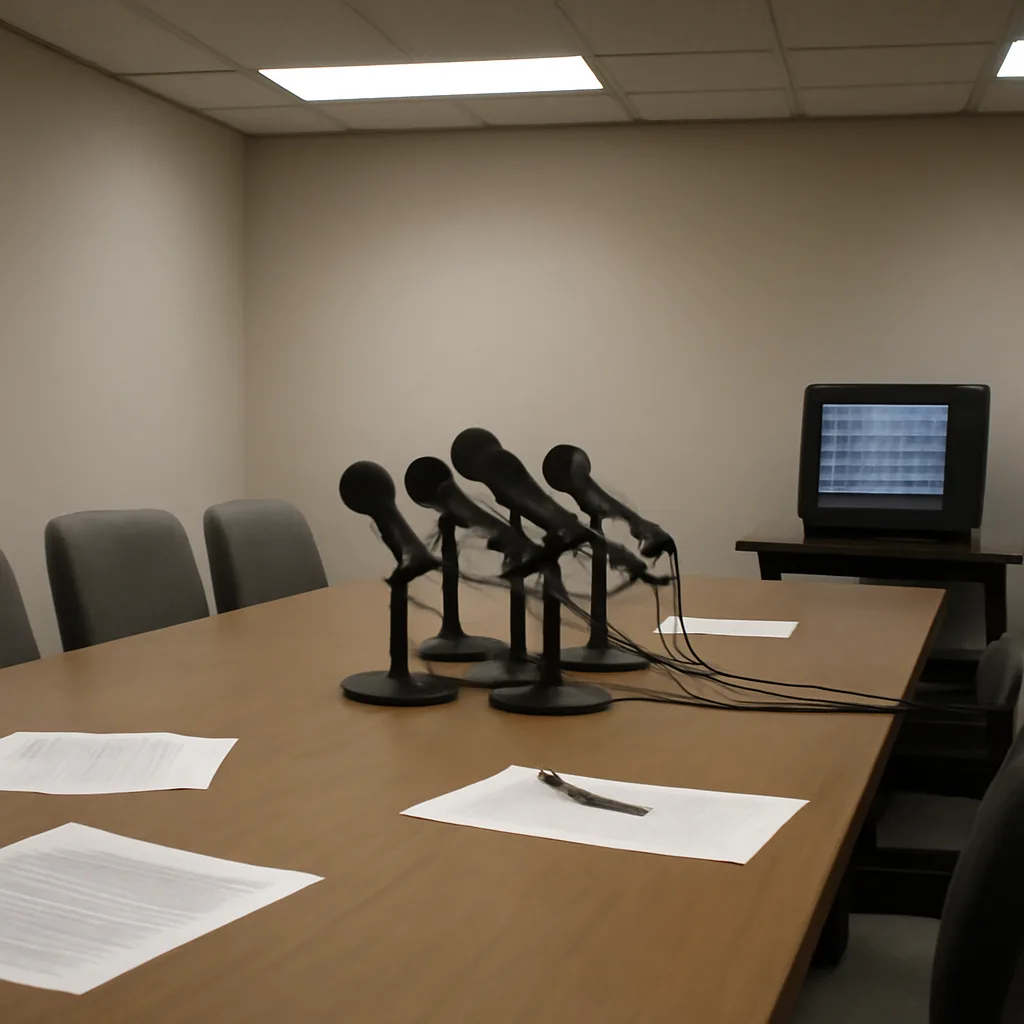
A press conference room with microphones and empty chairs; headlines about a human cloning claim displayed on a 2000s-era television in the background.

On January 6, 2003, media outlets reported that a group had produced the world’s first human clone—a claim quickly exposed as a hoax—touching off ethical debates, regulatory scrutiny, and widespread public alarm.


On January 6, 2003, headlines around the world reported that a scientist had succeeded in creating the first human clone. The claim, originating from a small press conference and interviews with an organization that named no verifiable collaborators, was soon met with intense skepticism from mainstream researchers and regulatory authorities. Within days independent experts, scientific institutions, and journalists uncovered discrepancies, a lack of verifiable evidence, and inconsistencies in the group’s account. The announcement was subsequently revealed to be a hoax.

Context and immediate reaction
By the early 2000s cloning and stem-cell research were already subjects of heated public debate. The cloning of Dolly the sheep in 1996 had shown mammalian cloning was technically possible, while ethical and legal frameworks for human applications remained unclear. In that climate, a claim of a living human clone triggered rapid attention from lawmakers, bioethicists, religious leaders, and the general public. Policymakers in several countries reiterated calls for clearer regulation and enforcement, and some moved to tighten existing restrictions on human cloning research.

Investigation and exposure
Investigations by journalists and scientific organizations focused on the absence of corroborating data: no peer-reviewed study, no accessible lab records, no independent witnesses, and no genetic verification made public. Experts pointed out biological and technical improbabilities in the account supplied by the claimants. As scrutiny intensified, the group making the claim failed to substantiate key details and ultimately admitted the announcement was false. Media outlets retracted or corrected initial reports, and several follow-up stories documented how the hoax had spread.

Impacts on science, policy, and public discourse
Although the claim proved fraudulent, the episode had lasting effects. It underscored the need for rapid scientific communication protocols and mechanisms to authenticate extraordinary biological claims. Legislators in multiple jurisdictions cited the event when introducing or accelerating bans and restrictions on reproductive cloning and unregulated embryo manipulation. Scientific societies and journals emphasized the importance of peer review, data transparency, and institutional oversight to prevent misuse of public trust.

Ethical and societal aftermath
Public reaction mixed fear, fascination, and ethical concern. Religious and advocacy groups used the episode to press for stronger moral safeguards, while scientists warned against hasty policy driven by sensationalized reports rather than evidence. Bioethicists highlighted how hoaxes and misinformation can distort public understanding of complex biomedical issues, complicating constructive debate about legitimate research such as therapeutic cloning and stem-cell therapies.

Lessons learned
The 2003 hoax prompted improvements in how exceptional scientific claims are evaluated by media and institutions. Fact-checking practices, reliance on primary scientific sources, and demands for verifiable data became more prominent in science reporting. The incident remains a cautionary case about the interplay of media, public sentiment, and emerging biotechnologies: even false claims can produce real policy shifts and shape public perceptions, underlining the importance of rigorous verification before amplifying extraordinary assertions.

Share this

Email Share on X Facebook Reddit

Did this surprise you?