
06/13/1971 • 5 views
Major U.S. Newspapers Publish the Pentagon Papers
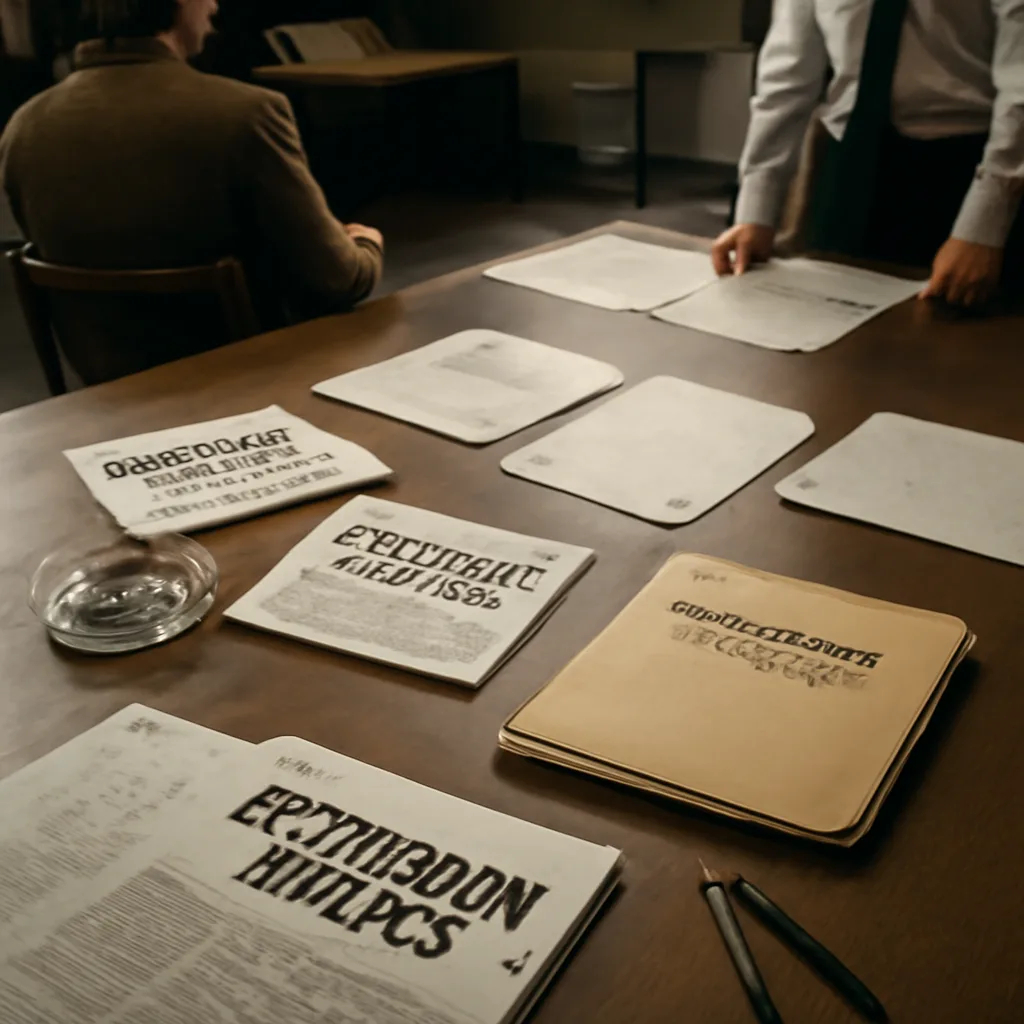
On June 13, 1971, The New York Times and other major newspapers began publishing excerpts from the Pentagon Papers, a classified Defense Department history revealing U.S. decision-making and private doubts about the Vietnam War.
The Times’s initial stories reported that successive presidential administrations had misled the public about the scale, scope and prospects of U.S. involvement in Vietnam. The publications included summaries and selected verbatim passages from the study that portrayed repeated instances in which senior officials privately expressed doubts about the conduct of the war while publicly presenting a more optimistic case.
Publication triggered immediate legal and political consequences. The Nixon administration sought an injunction to halt further Times publication, arguing that disclosure threatened national security. In a rapid legal battle that reached the Supreme Court, the government’s request to restrain publication was denied in a landmark First Amendment ruling, New York Times Co. v. United States (1971). The Court’s per curiam decision emphasized the heavy presumption against prior restraint of the press, though justices were divided on the precise reasoning.
While the Times was temporarily blocked by a district court order from publishing additional material, other newspapers—including The Washington Post—began publishing their own excerpts after obtaining portions of the study. The episode spurred intense public debate about secrecy, executive power, freedom of the press, and the ethical responsibilities of those who release classified information. It also deepened public scrutiny of the Vietnam War and the policies of multiple administrations.
The Pentagon Papers did not introduce previously unknown battlefield events but documented how policymakers’ private judgments often diverged from public statements. Historians and legal scholars have treated the episode as a pivotal moment in modern U.S. political and constitutional history: it affirmed strong protections for press reporting on government misconduct, complicated debates over national security secrecy, and underscored the role of whistleblowers in democratic accountability.
Subsequent declassification and archival releases have allowed researchers to examine the full study and the context of its preparation. The controversy left lasting institutional and cultural effects—prompting reforms in record-keeping and fueling ongoing debates over leaks, classification, and the balance between government secrecy and the public’s right to know.