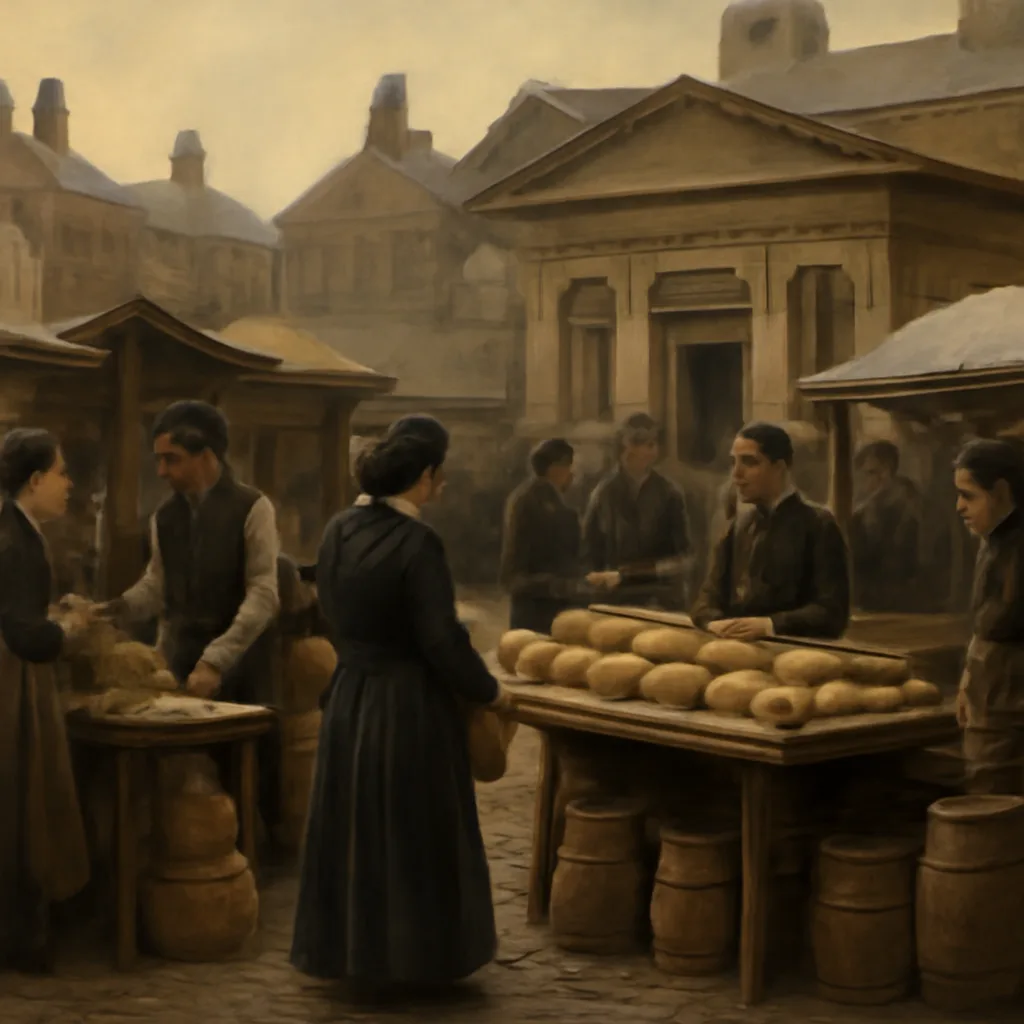
1884 Exposure Reveals Widespread Food Adulteration in Britain
On June 14, 1884, investigative reporting and chemical analysis brought to light systematic adulteration of staple foods—milk, bread, beer and condiments—prompting public outcry and accelerating calls for regulatory reform.
In mid‑Victorian Britain, industrialization and urban growth created new pressures on food supply chains. On June 14, 1884, a widely reported investigation documented pervasive practices of food adulteration—adding cheaper, often harmful, substances to staple items to increase volume or mask spoilage. The revelations combined chemical tests by analysts, reporting in national newspapers, and prosecutions under existing laws, and they crystallized public anxiety about food safety.
Adulteration was not new in the 19th century, but the 1880s saw more systematic scientific and journalistic scrutiny. Common adulterants included chalk or flour in bread, water and diluted milk, alum in pickles and bread improvers, and various coloring agents in sauces and confections. Beer and wines were sometimes tampered with to hide poor quality. These practices could reduce nutritional value and, depending on the substance used, present direct health risks.
Key to the exposure was the application of emerging chemical analysis techniques. Food analysts—often working with public analysts appointed under the Food and Drugs Act of 1875 and earlier statutes—began publishing practical tests for common adulterants. Newspapers seized on these findings. Journalists published sample laboratory results alongside accounts of shopkeepers and manufacturers, transforming technical analyses into compelling public narratives.
Legal context mattered. The 1875 Sale of Food and Drugs Act and other statutes made certain forms of adulteration illegal, but enforcement was uneven. Local authorities varied in resources and willingness to prosecute, and court cases revealed limits in proving intent and securing convictions. The 1884 exposures highlighted those enforcement gaps and increased pressure on Parliament to strengthen legislation and inspection regimes.
Public reaction combined moral outrage with practical concern. Middle‑class reformers, consumer groups and temperance campaigners leveraged the scandal to demand clearer labeling, more inspections, and stronger penalties. Food purity became a topic for civic societies, medical journals and parliamentary debates. For working‑class consumers—often the most vulnerable to cheap adulterated goods—the revelations confirmed long‑standing suspicions about market fairness and health risks.
The fallout was gradual rather than immediate. The exposures of 1884 contributed to ongoing debates that led to incremental legal and administrative changes in the following decades, including expanded powers for local analysts and later national reforms to strengthen food standards. They also stimulated professionalization in food chemistry and public health, as more scientific methods and systematic sampling became central to regulation.
Historians view the 1884 revelations as part of a longer arc: nineteenth‑century efforts to modernize food systems, the rise of consumer protection, and the growth of regulatory science. While the specific headlines and cases varied by locality and publication, the broader pattern—industrial incentives to adulterate food, increasing scientific capacity to detect such practices, and public demands for better oversight—helped shape modern food safety regimes.
Sources for this account include contemporary newspaper coverage, reports by public analysts and the legislative record surrounding late‑Victorian food laws. Where details of particular prosecutions or individual actors are cited in original press accounts, those items can be traced to regional archives and parliamentary papers of the period. Some aspects, such as exact nationwide prevalence rates, remain difficult to quantify from surviving records and are subject to scholarly interpretation.