Investigators Identify Suspects in Pan Am Flight 103 Bombing
On June 14, 1991, investigators announced that evidence pointed to Libyan intelligence involvement and identified suspects tied to the December 21, 1988, bombing of Pan Am Flight 103 over Lockerbie, Scotland.
On December 21, 1988, Pan Am Flight 103 exploded over Lockerbie, Scotland, killing 270 people. By June 14, 1991, investigators working on the transnational inquiry had focused on suspects linked to Libyan intelligence. The case developed through multiagency cooperation involving British police, U.S. federal investigators, and international forensic teams.
Early investigation and evidence
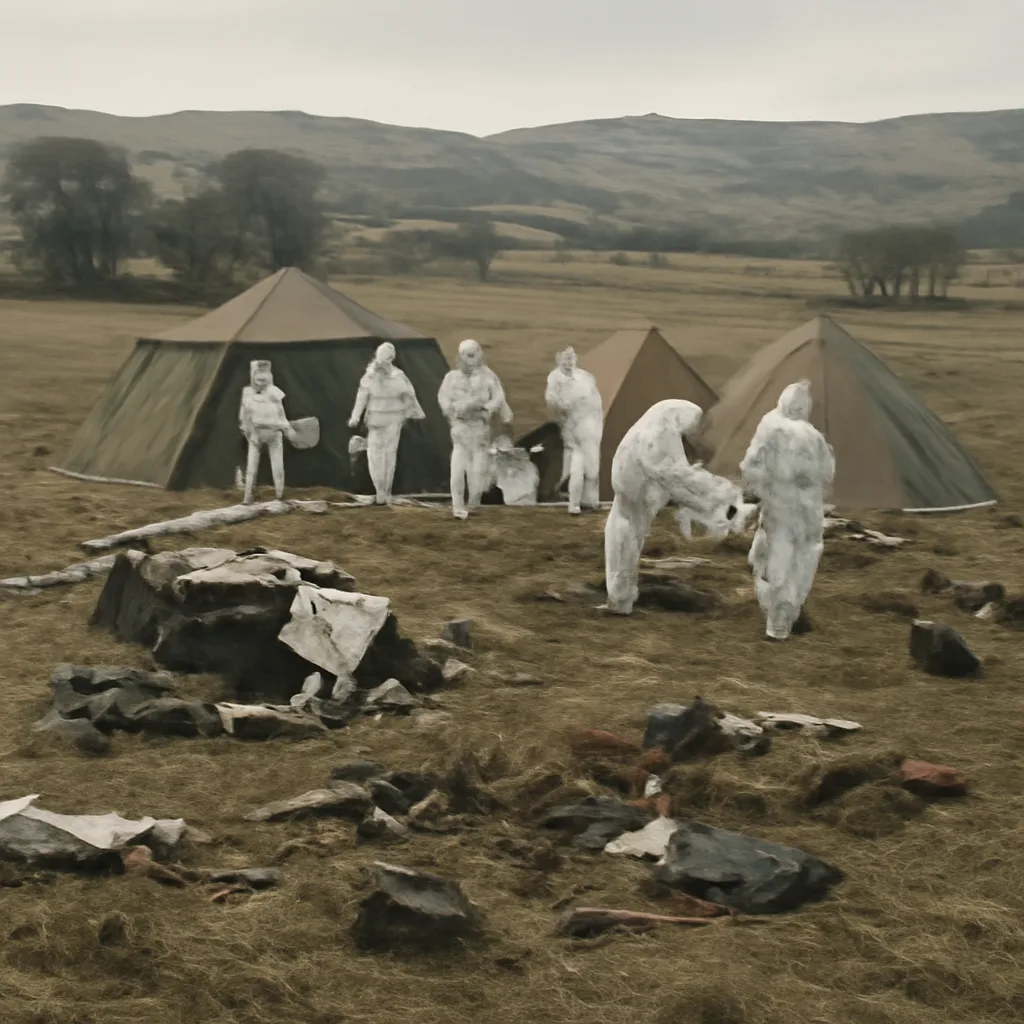
Following the crash, a massive crime scene was established across Lockerbie and the surrounding countryside. Fragments of aircraft wreckage and personal effects were collected and analyzed. Investigators traced pieces of a timed bomb and components of a circuit board fragment to a cassette player and other commercially available parts. Forensic work, including fragment matching and explosive residue analysis, aimed to reconstruct how the device was assembled and where parts had been purchased.
Intelligence leads and suspect identification
By mid-1991, intelligence reporting and criminal inquiries converged on suspects believed to be operatives or agents acting on behalf of Libyan Intelligence. The identification of suspects relied on a combination of circumstantial forensic links, travel histories, and intelligence intercepts. Authorities cited connections between the explosive device's components and procurement patterns traced to particular individuals and networks. Investigators also pursued leads involving the movement of luggage and the chain of custody for baggage that ultimately contained the bomb.
Legal and diplomatic context
The investigation had significant diplomatic repercussions. Libya, under the government of Muammar Gaddafi, was accused by British and U.S. authorities of state involvement. Libya denied responsibility. The attribution of suspects to Libyan intelligence set the stage for protracted international negotiations, sanctions, and eventually legal proceedings years later. The complex cross-border nature of the inquiry required cooperation among multiple jurisdictions, complicating evidence-sharing and the questioning of suspects.
Uncertainties and later developments
The identification of suspects in 1991 represented a milestone but not a final resolution. The case remained legally and politically fraught: charging decisions, extradition arrangements, and trials took many more years. In 2001, Scottish prosecutors charged two Libyan nationals, and after further diplomatic negotiation, a trial was held in a neutral venue (Camp Zeist, Netherlands) under Scottish law. One defendant, Abdelbaset al-Megrahi, was convicted in 2001 and later released on compassionate grounds in 2009; the other was acquitted. Libya formally accepted responsibility and paid compensation to victims' families in 2003 while continuing to deny individual culpability, and international sanctions were subsequently lifted.
Assessment of the 1991 identification
The 1991 identification of suspects advanced the investigation by focusing attention on Libyan links and clarifying investigative avenues, but it did not by itself produce definitive, universally accepted legal closure. Over subsequent decades, the case has continued to draw scrutiny, debate, and re-examination of forensic evidence and intelligence assessments. Some families and independent reviewers have called for further review of investigative and prosecution choices; others have regarded the later legal outcomes as providing at least partial accountability.
Legacy
The Lockerbie bombing remains one of the deadliest terrorist attacks involving civil aviation and reshaped policies on aviation security, international investigative cooperation, and handling of transnational terrorism cases. The identification of suspects in 1991 marked a pivotal moment in a long, contested journey toward legal and diplomatic reckoning with those responsible for the attack.