
← Back
03/22/1743 • 6 views

Debate Over the Earliest Documented Case of Spontaneous Human Combustion
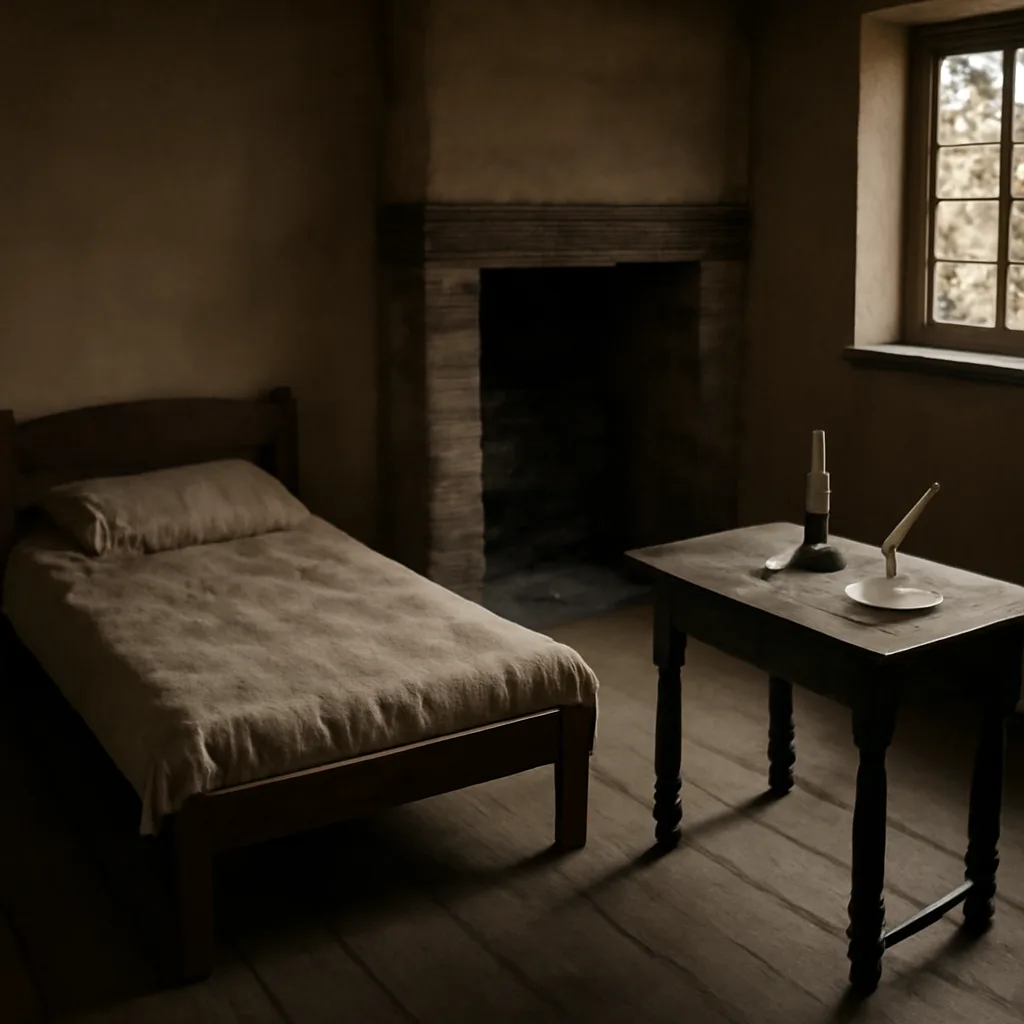
An 18th-century interior with a small bed near a hearth and a candle on a table, papers and a printed broadside on the wall, suggesting a domestic setting where an unusual death might be reported.

An 18th-century account long cited as the first documented case of spontaneous human combustion (SHC) is disputed by historians; closer examination shows ambiguous sources, competing earlier claims, and changing medical context that complicate the label.


On 22 March 1743 a report circulated in England describing an unusual death that later featured in lists of spontaneous human combustion (SHC) cases. For more than a century this and similar accounts were taken by some writers as evidence that people could ignite from within without an external flame. Modern historians and medical scholars, however, have questioned whether the 1743 account—often treated as an early, documented example—really supports the phenomenon as historically understood.

The 1740s were a period of growing interest in medical curiosities, with medical journals, newspapers and miscellanies eager to print sensational deaths. Contemporary reports rarely followed modern standards of evidence: coroner’s inquests, witness statements and medical examinations could be inconsistent or incomplete, and details were sometimes amplified in serial reprints. The account tied to 22 March 1743 appears in later compilations of SHC cases, but surviving primary documents are scant and sometimes ambiguous about key facts such as cause, witnesses, and the presence of external ignition sources.

Complicating the claim is that other alleged SHC incidents predate 1743. Widely cited is the 1663 report of a death in Suzhou, China, printed in European publications in translation, and various continental European pamphlets and legal records that mention bodies burned in inexplicable circumstances. Because definitions of “spontaneous” varied—ranging from unexplained combustion to internal ignition without any external agent—historians must decide which cases actually fit a strict modern sense of SHC.

Medical understanding has also changed. In the 18th century, explanations for strange burns could include “internal fermentation,” bodily humors, or unknown vapors—concepts now obsolete. Later research proposes more prosaic explanations for many historic SHC reports: accidental ignition from candles or smoking materials, the so-called “wick effect” in which clothing soaked with body fat sustains a slow, localized burn, or decomposition processes that alter witness perceptions. Where original reports omitted mention of candles, fireplaces, or smoking, that absence may reflect reporting norms rather than true absence of external ignition.

Recent scholarly assessments emphasize caution. They review original coroner inquests, parish registers and contemporary newspapers where available, and note that many claimed early cases rest on secondary compilations from the 19th century that repeated earlier accounts without critical verification. When primary records survive, they often present plausible alternative explanations or insufficient detail to conclude spontaneous internal ignition. Consequently, historians refrain from endorsing a single, definitive “first” documented case of SHC and instead frame the 1743 report as part of a broader cultural and medico-legal phenomenon.

What is secure is less the reality of spontaneous combustion as a distinct physical process than the history of how unusual deaths were observed, narrated and interpreted. The SHC label became a cultural category in the 18th and 19th centuries—used by newspaper readers, lecturers and pamphleteers to mark certain deaths as mysterious. That cultural momentum helps explain why particular dates, including 22 March 1743, gained traction in later retellings despite evidentiary gaps.

For readers seeking verifiable history, the prudent conclusion is that the 1743 account is an important part of the story of SHC as an idea rather than conclusive proof of an internally originating combustion event. Scholars continue to examine parish records, coroner reports and contemporaneous print media to parse what can be verified and what reflects period-specific explanatory frameworks. Where doubt exists, historians flag it rather than asserting unwarranted certainty.

Share this

Email Share on X Facebook Reddit

Did this surprise you?