
← Back
03/22/2000 • 6 views

Cricket umpire arrested on field accused of accepting bribes
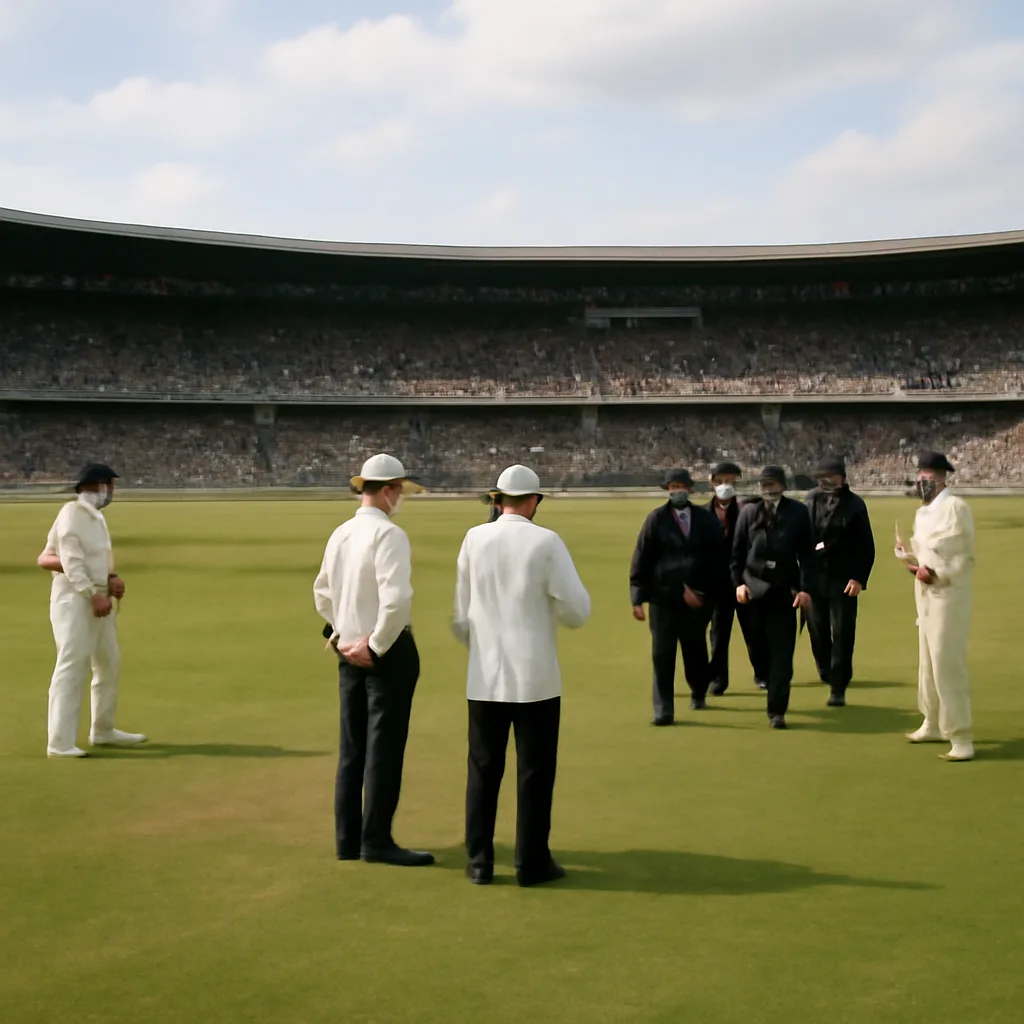
Cricket match scene showing umpires and players on the pitch with police officers nearby; crowd and stadium in the background.

On 22 March 2000, an on-field cricket umpire was arrested after match officials and police alleged he accepted money during play; the arrest sparked immediate inquiries into corruption in the sport.


On 22 March 2000, during a cricket match, law enforcement officers arrested an umpire on suspicion of accepting bribes while officiating on the field. The incident occurred in full view of players and match officials, prompting an immediate suspension of the umpire’s duties and the initiation of formal inquiries by both local police and cricketing authorities.

Background
Corruption concerns in cricket—especially match-fixing and spot-fixing involving players, officials or intermediaries—had gained increasing attention in the late 1990s and 2000s. The arrest of an umpire on the field was notable because umpires are expected to enforce the rules impartially and are rarely the direct subject of bribery allegations in public during a match.

The arrest and immediate fallout
According to contemporaneous reporting, police moved in during the game after receiving information that an umpire had accepted money. Match play was disrupted while officers detained the official and conducted initial inquiries. Cricket authorities at the ground announced that the umpire would be stood down pending the outcome of the investigation. Organizers and team management cooperated with investigators and issued statements expressing concern and promising full cooperation.

Investigations and procedural steps
Following the arrest, local police opened a formal investigation into allegations of bribery and corruption. Cricket governing bodies typically conduct parallel internal reviews to determine any breaches of conduct or law and to protect the integrity of competitions. Evidence collection in such cases can include witness statements from players, officials, and support staff; financial records; and any physical evidence seized by police.

Broader implications
An on-field arrest of an official underscores the vulnerabilities sports face when illicit payments influence decisions. Incidents like this have prompted cricket authorities worldwide to strengthen anti-corruption measures, including educating players and officials on reporting suspicious approaches, establishing dedicated anti-corruption units, and tightening collaboration with law enforcement and betting regulators.

Legal and disciplinary outcomes
Outcomes in bribery and corruption cases vary depending on the strength of the evidence and legal processes in the jurisdiction. Possible consequences include criminal charges, prosecution, professional bans, and reputational damage. In many cricket-related corruption cases from this era and later, investigations led to suspensions or lifetime bans for those found guilty, as well as criminal convictions in some instances. Where allegations are unproven, officials may be reinstated once cleared through legal and disciplinary channels.

Reporting standards and caution
Public reports from the time emphasize that arrests are part of an investigative process and do not constitute proof of guilt. Responsible reporting and official statements from courts and governing bodies are the reliable sources for final determinations. Because legal outcomes can be complex and protracted, contemporaneous arrests should be distinguished from later findings or verdicts.

Legacy
The arrest highlighted the need for vigilance against corruption in cricket and contributed to momentum for stronger anti-corruption frameworks within the sport. It reinforced the message that officials, as well as players, are subject to scrutiny and accountability when allegations of bribery emerge.

Share this

Email Share on X Facebook Reddit

Did this surprise you?