
← Back
10/22/1986 • 4 views

Global sanctions escalate against South Africa as apartheid laws prompt international action
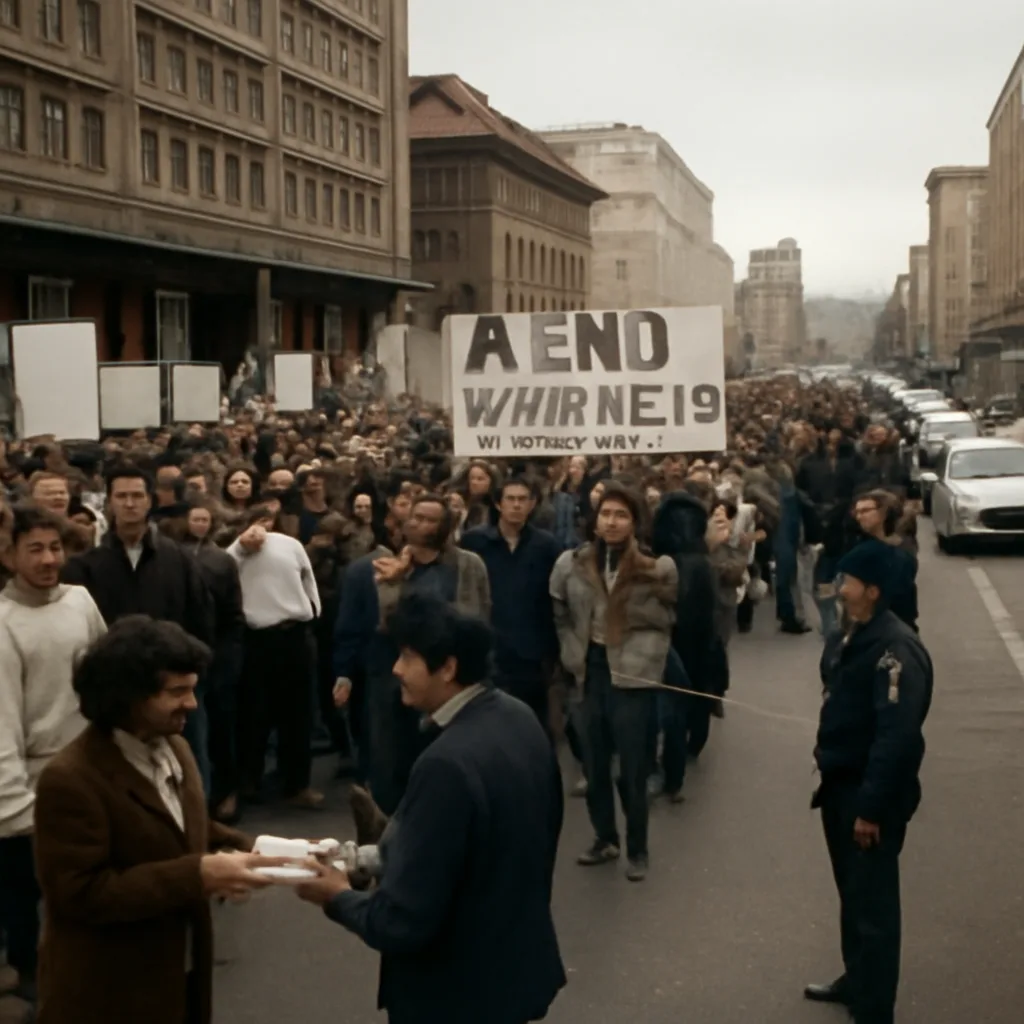
Protesters and anti-apartheid banners outside a consulate; police presence and placards calling for sanctions and divestment, late 1980s urban street scene.

On Oct. 22, 1986, growing international condemnation of South Africa’s apartheid system culminated in expanded sanctions and financial restrictions aimed at pressuring the government to dismantle racially discriminatory laws.


By October 22, 1986, international pressure on South Africa’s system of racial segregation had reached a pronounced escalation as a widening range of governments and institutions imposed or strengthened economic sanctions and financial restrictions. The moves reflected growing impatience with the apartheid regime’s legislative architecture—laws that codified racial separation in political representation, residence, education, and employment—and with the state’s use of security legislation to suppress internal dissent.

In the mid-1980s the apartheid state faced intensified internal resistance, including mass protests, strikes and a state of emergency declared intermittently since 1985. Those domestic tensions coincided with a global campaign led by anti-apartheid activists, church groups, labor unions and some governments that argued comprehensive economic and diplomatic pressure was necessary to compel reform. By late 1986 a range of measures had been adopted or reinforced: targeted trade restrictions, limits on new investment, barring of certain government and corporate loans, restrictions on cultural and sporting ties, and divestment pressures aimed at multinational firms operating in South Africa.

Key developments through 1986 included legislative and executive steps in several Western countries to curtail financial flows and new investment. International financial institutions and private banks faced heightened scrutiny over lending and credit to South African entities. Parallel measures—often coordinated with civil-society campaigns—sought to isolate Pretoria diplomatically, reduce access to technologies useful for repression, and increase the economic costs of maintaining apartheid institutions.

Sanctions were not uniform. Some governments advocated selective measures intended to punish the regime while limiting harm to ordinary South Africans, whereas others and many campaigners pushed for broader economic disengagement. Debates within governments and legislatures over the scope and moral imperative of sanctions were common, reflecting differing assessments of likely effectiveness and concern about potential humanitarian impacts. Nevertheless, by October 1986 the momentum of international action had clearly shifted toward more assertive curbs on trade and finance involving South Africa.

The sanctions escalation intersected with efforts inside South Africa to reform or reconfigure apartheid-era laws. The National Party government had pursued limited constitutional changes in previous years, but these measures failed to end fundamental racial discrimination in political rights, land policy and social systems. International actors judged such reforms insufficient and continued to press for comprehensive dismantling of apartheid legal structures and for negotiations toward a representative, nonracial political system.

Economically, the measures compounded difficulties already facing the South African economy—capital flight, currency pressures, constrained access to credit and technology—and added to the political cost of maintaining repressive policies. Politically, sanctions lent symbolic weight to the anti-apartheid movement and increased leverage for opponents of the regime, including inside the white political establishment. At the same time, critics of sanctions warned about possible unintended effects on vulnerable populations and argued for alternative approaches such as targeted measures or intensified diplomacy.

Historically, the escalation of sanctions in 1986 formed part of a broader international campaign that continued into the late 1980s and early 1990s, contributing—alongside internal resistance, economic strains and changing global politics—to the eventual negotiations that led to the dismantling of apartheid and the transition to majority rule in the early 1990s. The exact impact of any single measure is debated among scholars; nonetheless, the collective pressure of sustained sanctions and divestment campaigns is widely recognized as a significant factor in the broader process of change.

Share this

Email Share on X Facebook Reddit

Did this surprise you?