
10/22/1938 • 4 views
1938 English Village Struck by Unexplained Spontaneous Fires
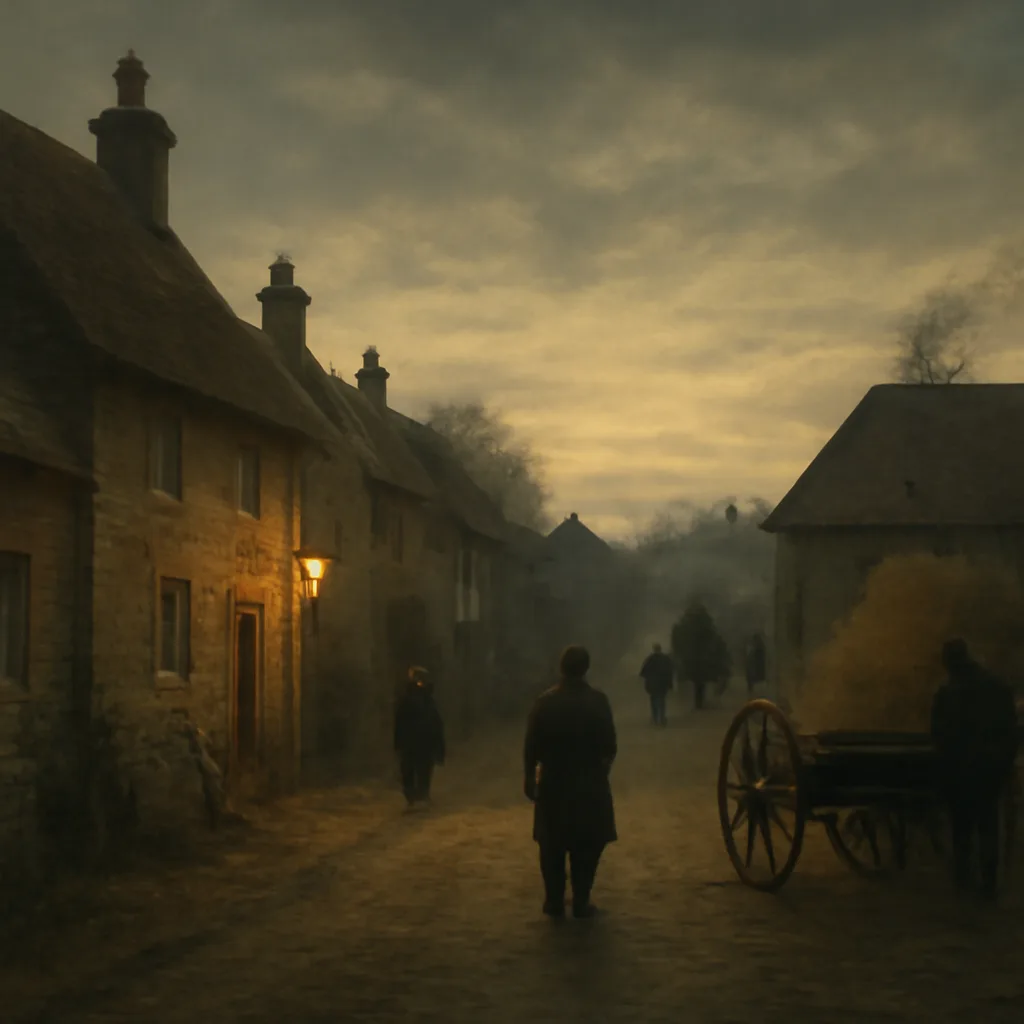
On 22 October 1938, residents of a rural English village reported a series of unexplained household and barn fires that appeared to ignite without obvious sources. Contemporary investigations found no definitive cause, leaving the incidents a subject of local memory and periodic historical curiosity.
Local authorities—chiefly the village constable and regional fire brigade—attended the scenes. Fire crews extinguished the blazes and recorded that the fires were limited in extent and often burned out quickly once put out. Police and fire-official reports from the period, where available, did not identify an obvious common cause such as faulty stoves, gas leaks, or deliberate arson. At least one contemporary inquiry considered electrical faults, smouldering embers, and accidental ignition from lamps or cigarettes, but none of these explanations fit all reported cases.
Journalistic coverage at the time varied in tone. Some regional papers reported the events soberly, relaying official statements that the fires were under investigation; others seized on the unusual character of the incidents and printed more speculative pieces. National outlets occasionally referenced the village episode in articles about unexplained phenomena, but no sustained national investigation was mounted. Subsequent accounts—oral histories collected decades later and local retrospectives—have preserved the memory of the events in village lore, often emphasizing the mystery of objects apparently igniting without contact with a known flame.
Several plausible but inconclusive explanations have been offered over the years. One possibility is spontaneous combustion of organic materials—especially oily rags, hay, or straw—that can ignite under particular conditions of heat, moisture, and poor ventilation. Another is overlooked smouldering from embers in hearths or lamps that later flare up when disturbed. Faulty wiring or electrical short-circuits could account for isolated incidents in the electrified homes of the 1930s, though not all affected buildings had mains electricity at that time. Accidental human causes, including discarded smoking materials or inadvertent contact with hot metal, also remain viable for some cases. Where multiple theories compete, contemporary records do not provide definitive forensic evidence to confirm any single cause.
Modern readers should note the limits of the historical record. Detailed forensic fire investigation methods used today were not available in 1938, and documentary survival is uneven: some police and fire brigade logs from the era have been lost or were never comprehensive. Oral testimonies collected later are valuable for understanding local perception but can reflect the passage of time and evolving explanations. Historians who examine such episodes emphasize caution: unusual clusters of domestic fires can sometimes be explained by mundane factors when fuller evidence emerges, yet in other instances the precise cause remains indeterminate.
The 1938 village fires entered local memory and occasional broader discussion of anomalous phenomena, but they did not produce a confirmed, extraordinary cause. For historians and local researchers the case illustrates how routine risks—combustible domestic materials, variable fuel sources, and mixed levels of electrification—intersect with limited contemporary investigative capacity to create stories that persist as mysteries. The incident remains primarily of local historical interest: a snapshot of rural domestic hazards in the late 1930s that, while unsettling to those who experienced it, resists definitive explanation given surviving sources.